

We’ve all been there. You’re craving a warm, fluffy piece of bread to go with your meal, but you also have protein goals to meet. It often feels like a choice between satisfaction and nutrition. But what if you didn't have to choose? This is where high-protein vegan flatbreads come in, turning a simple comfort food into a functional part of your diet.
The idea of baking with protein powder can seem intimidating. Many of us have experienced a chalky, dry protein bake that was less than inspiring. But this isn't about restriction or complicated kitchen chemistry. It’s about enhancement. With a few simple tips, you can create soft, delicious flatbreads that support your fitness goals without sacrificing flavor.
Why You Should Add Protein to Your Flatbreads
Fortifying your flatbreads with protein is more than just a clever kitchen hack. It’s a strategic way to make your meals work harder for you. Instead of being just a source of carbohydrates, your flatbread becomes a balanced, functional food that supports your wellness journey from multiple angles.
Here’s why this simple addition makes such a difference:
- Supports Muscle and Recovery: Adding a scoop of protein helps your body repair and build lean muscle, which is especially beneficial if you enjoy a flatbread as part of a post-workout meal.
- Keeps You Fuller for Longer: Protein is known for its ability to increase satiety. A protein-boosted flatbread helps manage hunger, reduce afternoon cravings, and support weight management by making you feel satisfied with your meal.
- Creates a Balanced Meal: This simple trick transforms your flatbread from a carb-heavy side into a more complete macronutrient source. It helps balance your plate without you having to cook a separate protein.
- Offers Effortless Convenience: Let’s be honest, sometimes you just don’t want another shake. This is one of the most convenient easy protein powder meals you can make. It’s a seamless way to increase your daily protein intake, much like the other simple ideas you can find in our post on 3 easy vegan protein recipes.
Choosing the Best Vegan Protein for Baking
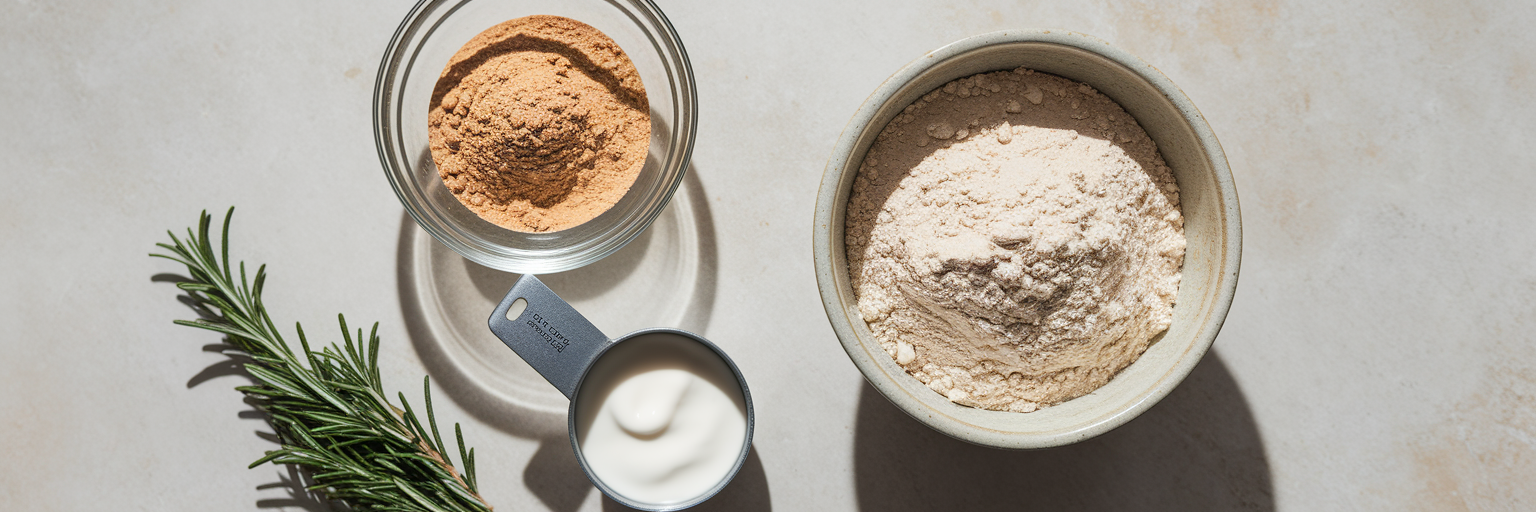
The secret to a great protein-fortified bake lies in the powder you choose. Not all vegan proteins behave the same way in a recipe, and picking the right one is the most important step. While options like soy, rice, and hemp protein exist, a high-quality pea protein blend often yields the best results due to its texture and nutritional profile.
When you’re deciding on the best vegan protein for baking, focus on two key factors: texture and flavor. A finely milled, high-quality vegan protein isolate is essential. It mixes seamlessly into flour and helps you avoid the gritty, sandy mouthfeel that can ruin a good flatbread. Our powders are specifically designed to provide a smooth, non-chalky consistency that disappears into your recipes.
Equally important is the flavor. For a savory recipe like flatbread, you should always opt for an unflavored protein powder. Using a vanilla or chocolate-flavored powder will create a confusing and unpleasant taste. An unflavored version allows the savory notes of your dough and toppings to shine through. Finally, look for a complete protein that contains all essential amino acids, turning your flatbread into a truly powerful nutritional tool. To find the right fit for your pantry, you can explore our collection of US made vegan supplements.
Mastering the Perfect Protein Dough Consistency
Now for the practical part: how do you actually make a dough that’s soft and pliable, not dry and crumbly? The key is understanding how protein powder interacts with other ingredients. Since it’s not flour, you can’t just swap it one-for-one. A great starting point is the 25% Rule: substitute no more than one-quarter of the flour in your recipe with protein powder.
Why is this so important? Protein powder lacks gluten, the component in wheat flour that gives bread its signature stretchy, chewy structure. More importantly, protein powder is incredibly absorbent. As a report from The Organic Protein Company explains, it soaks up much more liquid than flour does. This is the main reason so many people struggle with how to bake with protein powder. The dough becomes dry because it’s thirsty.
The solution is to add that moisture back in. Here are a few ways to do it:
- Add Extra Liquid: Start by adding more water or unsweetened plant milk, just a tablespoon at a time, until the dough feels soft and workable.
- Use Moisture-Rich Ingredients: Incorporating a dollop of unsweetened dairy-free yogurt, a spoonful of applesauce, or even some pumpkin puree can add significant moisture and a softer texture.
- Introduce Healthy Fats: A tablespoon of olive oil or avocado oil not only adds moisture but also makes the dough more pliable and adds a lovely richness to the final flatbread.
Easy 5-Ingredient High-Protein Flatbread Recipe
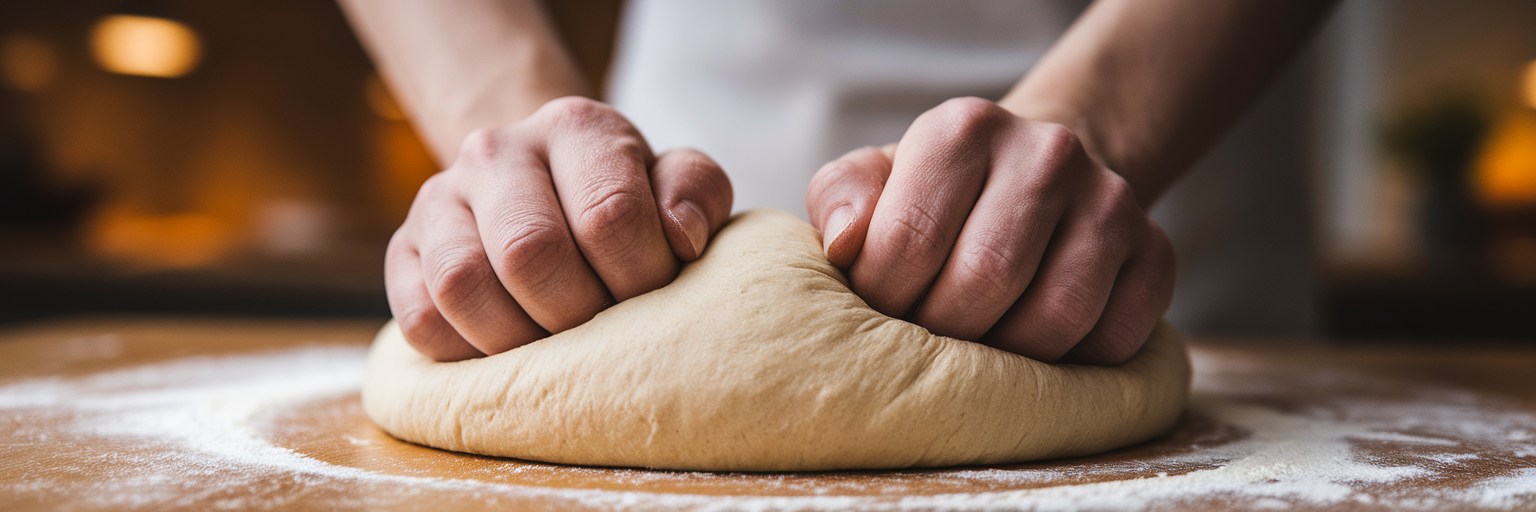
Ready to put this knowledge into practice? This simple, no-yeast vegan protein flatbread recipe is beginner-friendly and comes together in minutes. It relies on dairy-free yogurt for moisture and softness, creating a foolproof dough every time.
Ingredients:
- 1 cup all-purpose flour
- 1/4 cup Beyond Good Foods Unflavored Vegan Protein
- 1 tsp baking powder
- 1/2 tsp salt
- 1 cup unsweetened plain dairy-free yogurt
Instructions:
- Mix Dry Ingredients: In a large bowl, whisk together the flour, protein powder, baking powder, and salt until well combined.
- Add Wet Ingredient: Add the dairy-free yogurt to the bowl. Use a spatula to mix until a shaggy, slightly sticky dough forms.
- Knead Briefly: Turn the dough out onto a lightly floured surface. Knead for just 1-2 minutes until it becomes smooth and cohesive. Don’t overwork it.
- Divide and Roll: Divide the dough into 4-6 equal portions. Roll each portion into a thin circle, about 6-7 inches in diameter.
- Cook: Heat a dry, non-stick or cast-iron skillet over medium-high heat. Cook each flatbread for 2-3 minutes per side, until it puffs up and develops golden-brown spots.
Each flatbread made this way can add a significant protein boost to your meal. Similar recipes, like one featured by Making Thyme for Health, show that each serving can easily contain over 10 grams of protein. For more high protein vegan recipes, you can always check out the ideas on our blog.
Creative Recipe Variations to Try Next
Once you’ve mastered the basic recipe, the fun really begins. This flatbread is a blank canvas for all sorts of flavors.
Herbs and Spices
Add a teaspoon of garlic powder, dried rosemary, or Italian seasoning to the dry ingredients. This creates a savory flatbread that’s perfect for dipping in hummus or serving alongside a salad.
Lentil and Quinoa
For an even bigger protein and fiber punch, try incorporating cooked lentil puree or a bit of quinoa flour. This technique, seen in recipes like this one from Cooking for Peanuts, creates a denser, earthier flatbread that’s incredibly satisfying.
Sweet Cinnamon
Who says flatbread has to be savory? Add a teaspoon of cinnamon and a touch of maple syrup to the dough for a breakfast version. It pairs beautifully with almond butter and fresh fruit.
Hidden Veggie
Blend a handful of spinach or a bit of cooked sweet potato into the dairy-free yogurt before mixing it into the dough. It’s an effortless way to add extra nutrients and a fun color that kids love.
Boost Your Meal with High-Protein Toppings
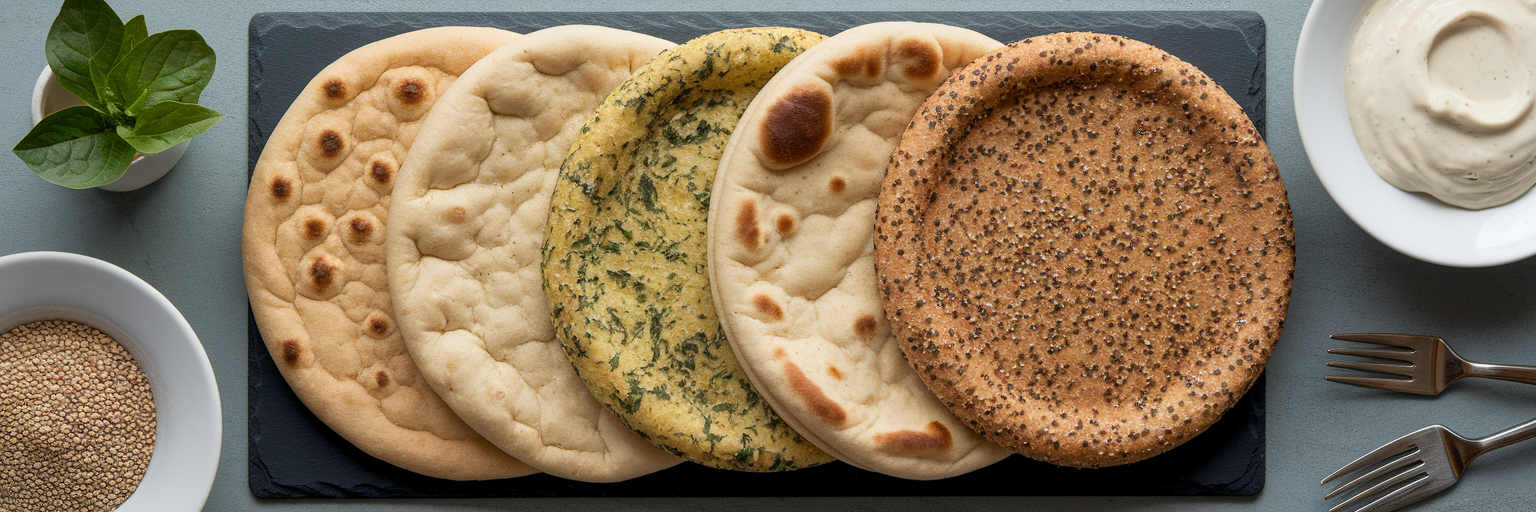
The flatbread is just the beginning. Now, let’s turn it into a complete, satisfying meal with toppings that continue to build on your protein goals. Thinking of your flatbread as a base opens up a world of delicious high protein vegan recipes.
Here are a few ideas to get you started:
- Savory Spreads: Go beyond butter. A thick layer of hummus, smashed avocado topped with roasted chickpeas, or a savory tofu scramble spread on top makes for a quick and filling meal.
- A Sturdy Base: Use your flatbread as a foundation for other proteins. As inspiration from sites like Well Vegan shows, they are perfect for mini pizzas topped with vegan cheese and tempeh crumbles, or as a wrap for grilled tofu strips and fresh greens.
- Sweet and Satisfying: For the sweet cinnamon variation, top it with a generous smear of almond butter, sliced banana, and a sprinkle of hemp seeds. It’s a delicious and protein-packed breakfast that feels like a treat.
Quick Fixes for Common Flatbread Issues
Even with the best recipe, things can sometimes go sideways in the kitchen. Don’t worry, most issues are easy to fix. Using high-quality, US made vegan supplements like a well-formulated protein powder can help prevent some of these problems from the start, but here’s a quick guide for troubleshooting.
| The Problem | The Likely Reason | The Quick Fix |
|---|---|---|
| My dough is dry and crumbly. | Protein powder absorbed too much liquid. | Add more vegan yogurt or water, 1 tbsp at a time, until it comes together. |
| My dough is too sticky to handle. | The dough is too wet or hasn't rested. | Lightly flour your hands and work surface. If still sticky, let it rest for 10 minutes. |
| My cooked flatbread is tough. | The dough was over-kneaded or overcooked. | Knead just until smooth. Cook quickly on high heat and stack under a towel to steam. |
Remember, these are common learning moments, and every batch will get you closer to your perfect flatbread. If you have more questions, our FAQ page is a great resource.