

Why Your Yoga Practice Demands Serious Nutrition
Let's be honest. Many people still think of yoga as just gentle stretching. But if you’ve ever held a Warrior II pose until your thighs were shaking or flowed through a dynamic Vinyasa class, you know it’s a serious workout. These practices are physically demanding, challenging your strength, balance, and endurance.
Every time you hold a challenging asana, your muscles are performing isometric contractions. When you move gracefully from one pose to the next, you’re creating microscopic tears in your muscle fibers. This isn’t a bad thing; it’s how you build strength. But just like any other form of exercise, this process requires recovery.
Think of nutrition not as an optional extra, but as a core part of your practice. Proper fuel is what allows your muscles to repair and grow stronger. It helps improve your flexibility and can even prevent injuries. The goal for any dedicated yogi is to return to the mat feeling more capable and energized than before. That progress happens during recovery, and it starts with what you put into your body.
How Plant-Based Protein for Muscle Repair Works
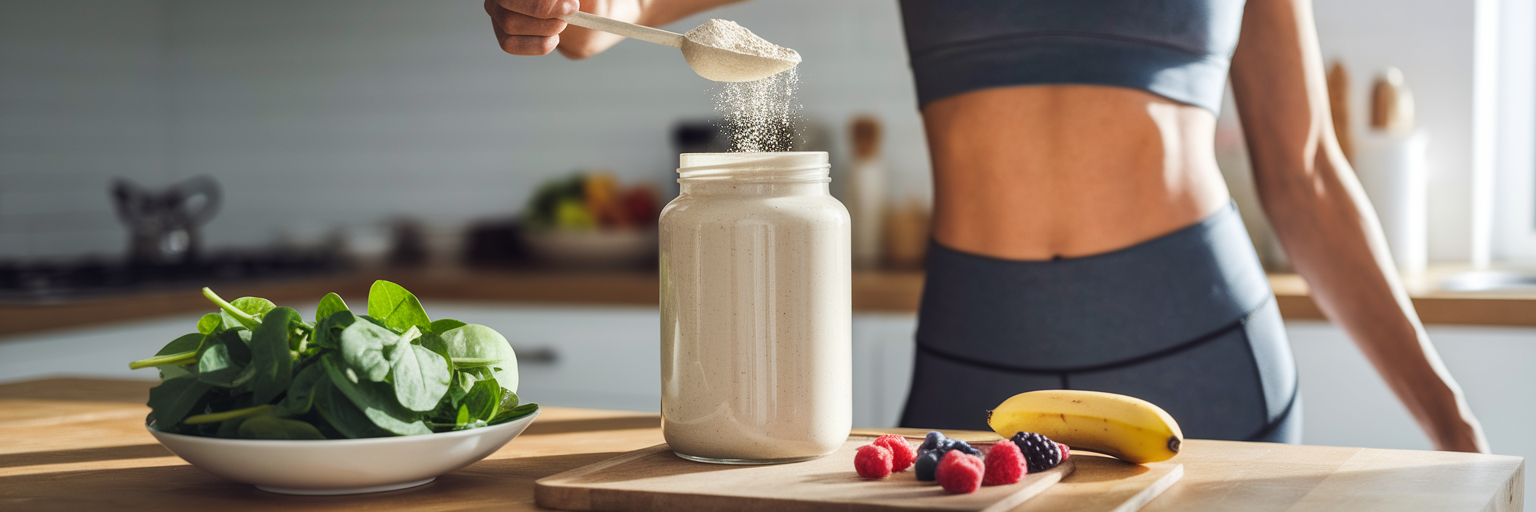
So, how exactly does your body mend those tiny muscle tears after a challenging practice? It’s a process called Muscle Protein Synthesis (MPS). Imagine your muscles are a brick wall that’s been slightly damaged by a storm. Protein provides the amino acids, or new bricks, needed to rebuild that wall stronger than it was before.
A common question is whether plant proteins are up to the task. The answer is a resounding yes. High-quality vegan protein powders are formulated to be "complete proteins," meaning they contain all nine essential amino acids your body can't make on its own. Blends of pea, rice, and hemp work together to provide a full spectrum of these building blocks. One amino acid, Leucine, acts as the main "on switch" for MPS, and you can find plenty of it in a well-designed plant blend.
To support this repair process, active individuals often need more protein. As noted by Yoga Journal, a good target is around 1.2 to 1.5 grams of protein per kilogram of body weight. A vegan protein powder is an incredibly efficient and convenient way to meet this need, ensuring your body has the resources to recover fully. For those curious about how different plant sources stack up, exploring some of the best protein powders we've reviewed can offer deeper insights.
Your Post-Yoga Nutrition Window: What to Eat After Yoga
After you roll up your mat, your body enters a special state. For about 30 to 60 minutes, it’s primed to absorb nutrients to kickstart the recovery process. This is often called the "anabolic window," and taking advantage of it can make a huge difference in how you feel the next day.
The formula for optimal recovery is simple: combine fast-acting carbohydrates with high-quality protein. Aim for around 20–30 grams of carbs and 15–20 grams of protein. Here’s why this combination is so effective:
- Carbohydrates: These are essential for replenishing your muscle glycogen, which is the primary fuel source you burned during your practice. Think of it as refilling your body's energy tank.
- Protein: This provides the amino acids needed to immediately begin repairing muscle tissue, reducing soreness and building strength for your next session.
This doesn't have to be complicated. A simple and delicious smoothie made with one scoop of vegan protein, a cup of frozen berries, and some oat milk perfectly fits the bill. It’s fast, easy to digest, and gives your body exactly what it craves. In fact, a study available on PubMed found that a post-workout vegan protein blend helped reduce muscle damage and soreness. For more delicious and practical ideas, check out some of our 3 easy vegan protein recipes you can whip up in minutes.
Smart Snacking: The Perfect Pre-Yoga Protein Shake

Fueling before your practice is a completely different game than refueling after. The goal here isn't repair; it's about providing sustained energy without feeling heavy or bloated. Nothing ruins a flow state faster than digestive discomfort. The key is to eat something light and easy to digest.
As recommended by dietitians in a review on Health.com, a great pre-yoga snack consumed 45 to 60 minutes before class contains about 10–15 grams of carbs and 5–7 grams of protein. The carbohydrates offer quick fuel for your muscles and brain, while the small dose of protein promotes satiety to prevent an energy crash mid-pose. Simple ideas include a small bowl of oatmeal with hemp seeds or a mini-smoothie with half a banana and half a scoop of a smooth, naturally flavored chocolate vegan protein.
This strategic snack ensures you feel light, focused, and energized from your first downward dog to your final savasana.
| Factor | Pre-Yoga Snack (45-60 Mins Before) | Post-Yoga Meal (30-60 Mins After) |
|---|---|---|
| Primary Goal | Sustained energy & focus | Muscle repair & glycogen replenishment |
| Ideal Protein | 5-7 grams | 15-20 grams |
| Ideal Carbs | 10-15 grams | 20-30 grams |
| Example | Half a banana with 1/2 scoop protein | Full protein shake with fruit & oat milk |
| Why It Works | Prevents energy crashes without bloating | Maximizes nutrient absorption for recovery |
This table clarifies the distinct nutritional goals for pre- and post-yoga sessions. The data is based on common sports nutrition guidelines to help practitioners optimize energy and recovery.
Beyond Protein: Hydration and Anti-Inflammatory Boosters
While protein is a recovery powerhouse, a truly holistic approach includes other key elements. First and foremost, hydration is non-negotiable. You lose a surprising amount of fluid through sweat, especially in a heated class, and replenishing it is crucial for every bodily function, including muscle repair.
You can also give your body a helping hand in managing post-practice inflammation. Certain foods contain natural compounds that help reduce soreness and support your body's healing process. Here are a few simple boosters to add to your post-yoga routine:
- Turmeric & Black Pepper: Add a pinch of turmeric to your recovery shake. Its active compound, curcumin, has powerful anti-inflammatory properties, and a dash of black pepper significantly enhances its absorption.
- Tart Cherry Juice: Try using this as the liquid base for your smoothie. Studies suggest it can help reduce muscle soreness after exercise.
- Ginger: Blend a small piece of fresh ginger into your shake. It’s well-known for its digestive and anti-inflammatory benefits.
These ingredients are rich in polyphenols, which help combat the oxidative stress generated during your practice, making your recovery even smoother.
How to Choose the Best Vegan Protein Powder for Athletes

Have you ever been hesitant to try vegan protein because you heard it was gritty or had an earthy aftertaste? That’s a fair concern based on older formulas. Thankfully, things have changed. As a review in Bon Appétit noted, modern blends are formulated to have a smooth texture and delicious natural flavors that mix easily.
Beyond taste, the most important factor is transparency. You deserve to know exactly what you’re putting in your body. Look for a clean protein powder no additives, which means no artificial sweeteners, gums, or unnecessary fillers. The highest-quality brands also use third-party testing to ensure their products are free from heavy metals and other contaminants.
Here’s a simple checklist to help you choose the best vegan protein powder for athletes and yogis alike:
- Complete Amino Acid Profile: Look for a blend of multiple plant sources, like pea, rice, or hemp, to ensure you’re getting all the essential amino acids.
- Third-Party Tested: This is your guarantee of purity and safety.
- Clean Ingredient List: The shorter and more recognizable, the better.
- Hypoallergenic Sources: Pea and rice protein isolates are excellent choices that are gentle on the digestive system.
When you’re ready to find a powder that meets these standards, you can explore our collection of clean, plant-based supplements designed to support your wellness journey.
A Mindful Choice for Your Body and the Planet
Choosing to fuel your practice with plants goes beyond just physical benefits. It aligns beautifully with one of the core principles of yoga: ahimsa, or non-harming. It’s a mindful choice that is kind to your body, avoiding artificial ingredients and dairy, while also being kind to the planet.
Plant-based proteins have a significantly smaller environmental footprint than their animal-based counterparts, requiring less water, land, and energy to produce. This makes your post-yoga recovery shake a small act of compassion for the world around you.
As the world of nutrition continues to advance with innovations like algae and fermented proteins, the options for clean, effective fuel will only grow. Ultimately, using vegan protein for yoga recovery is a powerful choice that supports your personal well-being and contributes to a healthier planet. To continue learning, feel free to explore more topics on our blog.