

The Unique Recovery Demands of CrossFit
Anyone who has stared down a WOD knows it’s more than just a workout. It’s an all-out test of your body’s limits. The unique combination of heavy Olympic lifts, explosive gymnastics, and relentless cardio creates an immense amount of metabolic stress. It’s a feeling that’s hard to describe but easy to remember the next morning.
Physiologically, this intensity causes tiny tears in your muscle fibers, which is what leads to that familiar delayed onset muscle soreness (DOMS). At the same time, your body’s primary fuel tank, glycogen, gets completely drained. This isn’t like a casual jog in the park. The demands of CrossFit are unique, and they require a far more deliberate and powerful recovery strategy to match.
This is where nutrition stops being an optional boost and becomes one of the most essential muscle recovery supplements for CrossFit. Without a proper plan, you risk more than just soreness. You open the door to slower progress, diminished performance, and even injury. Your recovery protocol is just as important as the work you put in at the box.
Protein's Role in Rebuilding Stronger Muscles
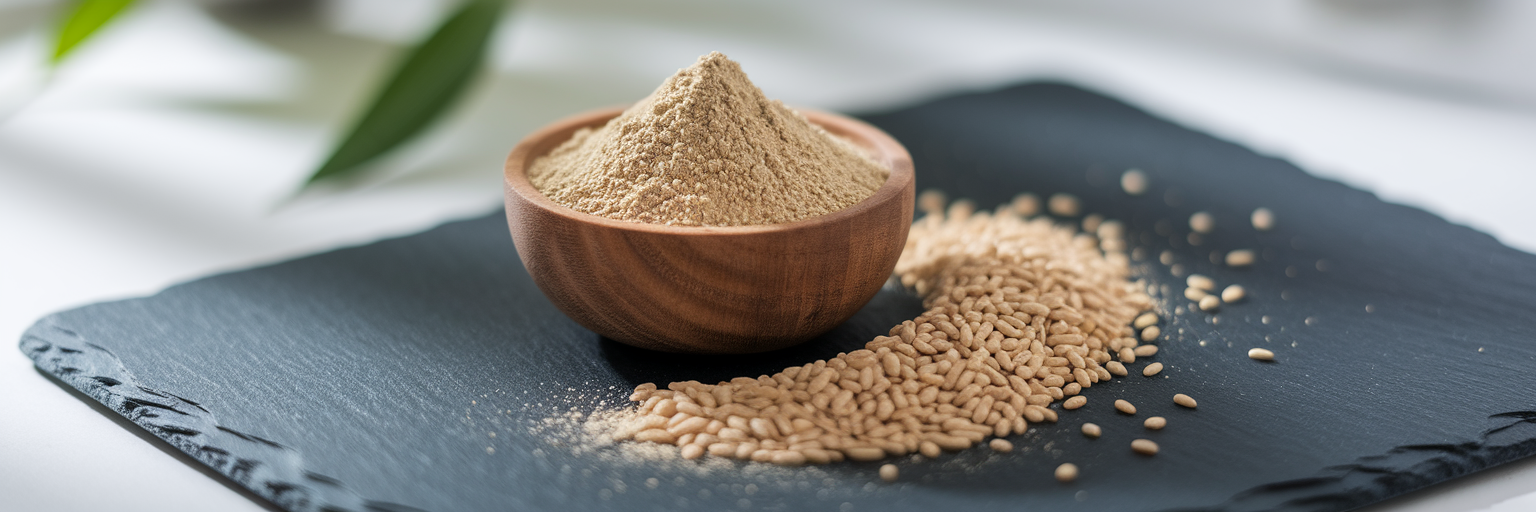
After you’ve pushed your body to its edge, your internal "muscle repair crew" needs to get to work. This process is called Muscle Protein Synthesis (MPS), and it’s responsible for patching up those microscopic muscle tears and rebuilding them stronger than before. The single most important tool this crew needs to start the job is protein.
Think of protein as the key that turns on the ignition for muscle repair. Without enough of it, the recovery process stalls. So, how much is enough? Research suggests that active individuals generally need between 1.2 to 2.0 grams of protein per kilogram of body weight each day. Given the intensity of CrossFit, athletes often find their needs fall on the higher end of that spectrum to support consistent gains.
Timing also plays a significant part. A post workout recovery shake containing 20 to 30 grams of protein is widely considered the gold standard for kickstarting MPS. As guidance from Clif Bar highlights, this amount is optimal for maximizing the repair process right after a demanding session. It provides your body with the immediate resources it needs to switch from a state of breakdown to one of rebuilding.
How Vegan Protein Blends Meet the Challenge
A common question we hear is, "Can plants really build muscle as effectively as whey?" The answer is a resounding yes, and the science is clear. Modern plant based protein for athletes is engineered to deliver everything your body needs for powerful recovery.
Dispelling the 'Incomplete Protein' Myth
The concern over "incomplete" proteins stems from the fact that some individual plant sources are low in one or more essential amino acids. However, this is easily solved by blending different plant proteins. For example, pea protein is high in lysine, while rice protein is rich in methionine. By combining them, you create a complete amino acid profile that gives your muscles all the building blocks they require.
The Science-Backed Efficacy of Plant Protein
You don’t have to take our word for it. A 2014 study published on PubMed Central found that multi-ingredient vegan protein blends stimulate muscle protein synthesis just as effectively as animal-based proteins. This proves that a well-formulated vegan protein for CrossFit recovery is not a compromise. High-quality formulas, often considered the best vegan protein powder US options, are designed to provide 20 to 25 grams of highly digestible protein per serving, ensuring your muscles get exactly what they need.
Beyond Muscle: The Digestive Advantage
There’s another benefit that many athletes notice when they make the switch: they just feel better. Many people report less bloating and digestive discomfort with plant-based proteins compared to dairy-based options like whey. When you’re training almost every day, feeling light and comfortable can make a huge difference in your consistency and overall well-being.
| Plant Protein Source | Key Amino Acid Strength | Primary Benefit | Best Paired With |
|---|---|---|---|
| Pea Protein | High in Lysine & Arginine | Supports muscle growth and blood flow | Rice Protein |
| Rice Protein | High in Methionine & Cysteine | Complements pea protein for a full profile | Pea Protein |
| Hemp Protein | Rich in Omega-3s & Fiber | Provides anti-inflammatory and digestive benefits | Pea or Rice Protein |
| Soy Protein | Complete Amino Acid Profile | A standalone complete protein source | Can be used alone |
Timing Your Nutrition for Optimal Recovery
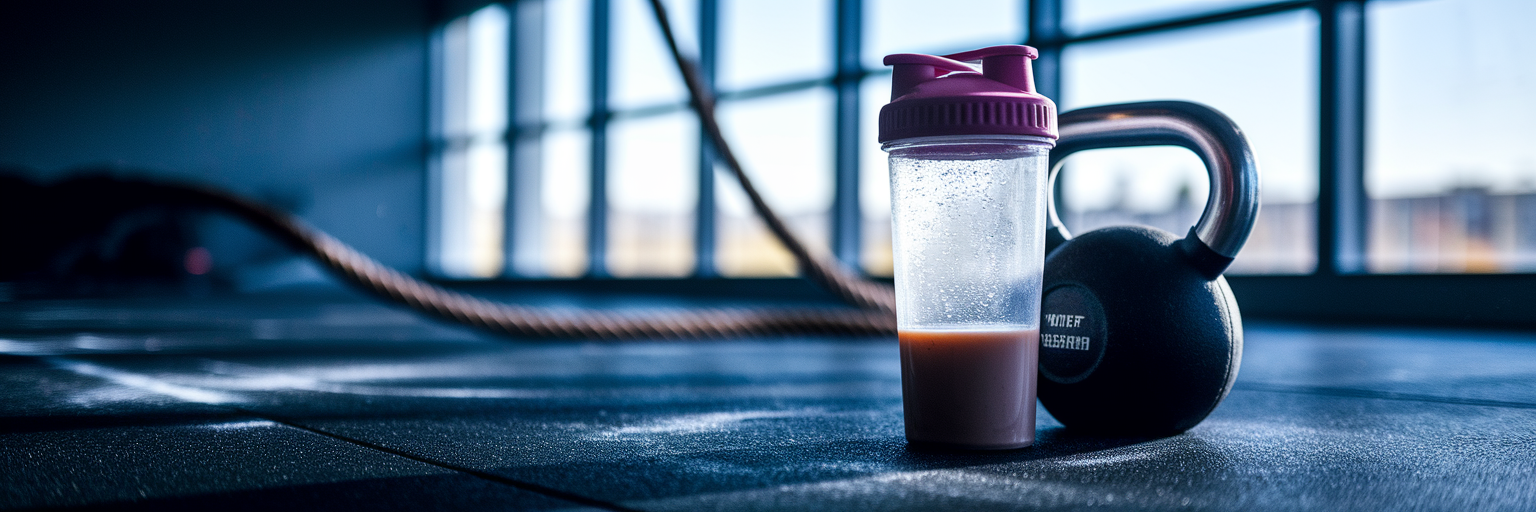
We’ve established that protein is crucial, but when you consume it can significantly impact its effectiveness. Think of the 30 to 60 minutes after your WOD as a "golden hour" for your muscles. During this period, your body is primed for nutrient absorption and incredibly efficient at putting protein and carbohydrates to work.
Right after intense exercise, your insulin sensitivity is heightened. This hormone acts like an express delivery service, shuttling nutrients directly into your muscle cells to begin the repair and refueling process. A 2018 review in Frontiers in Nutrition confirms that consuming protein in this peri-exercise window significantly improves recovery outcomes. By giving your body what it needs when it’s most receptive, you accelerate repair and reduce muscle soreness.
While one shake certainly helps, the real magic happens with consistency. Making post-workout nutrition a non-negotiable part of your routine after every single session is what separates good athletes from great ones. It’s a simple habit that pays huge dividends in performance, strength, and longevity in the sport. For more tips on building healthy habits, you can find great insights on our blog.
The Power of Pairing Protein with Carbohydrates
While protein is essential for rebuilding, it’s only half of the recovery equation. A grueling WOD doesn’t just tear down muscle fibers; it also empties your energy reserves. To fully recover, you need to address both. Think of it this way: protein provides the "bricks" to rebuild your muscles, but carbohydrates provide the "fuel" to restock your energy tank (glycogen).
A simple and highly effective formula is to pair your 20 to 30 grams of protein with 30 to 50 grams of fast-acting carbohydrates. This powerful combination kickstarts muscle repair and energy restoration simultaneously, ensuring you’re ready for your next session. Here are a few easy ways to put this into practice:
- Blend your vegan protein powder with a banana and some almond milk for a classic, effective shake.
- Mix a scoop of protein into a bowl of oatmeal topped with berries for a more substantial meal.
- For quick and easy fuel, add a scoop of a fast-digesting carb powder like dextrose to your shaker bottle.
As a bonus, don’t forget about electrolytes like sodium and potassium, which are lost through sweat. Adding them back helps with rehydration and supports proper muscle function. For more delicious and practical ideas, check out these easy vegan protein recipes.
Making Plant-Based Recovery Work for You
One final detail athletes often consider is the "leucine threshold." Leucine is a key amino acid that acts as a primary trigger for muscle protein synthesis. While some individual plant proteins are lower in leucine than whey, this is a solved problem. High-quality vegan protein blends are specifically formulated to contain at least 2.5 grams of leucine per serving, ensuring you hit the target needed to maximize muscle repair.
Choosing a well-designed product takes all the guesswork out of your recovery. To make your vegan protein for CrossFit recovery as effective as possible, just follow these simple steps:
- Choose a High-Quality Vegan Protein Blend: Look for a mix of sources like pea and rice to ensure you’re getting a complete amino acid profile with sufficient leucine.
- Time It Right: Consume 20 to 30 grams of protein within an hour after your WOD to take full advantage of your body’s "golden hour" for recovery.
- Add Carbs: Pair your protein with 30 to 50 grams of fast-acting carbohydrates to refuel your energy stores and accelerate the entire recovery process.
Ready to start your plant-based recovery journey? Explore clean, effective, and delicious solutions designed for athletes just like you with our Chocolate Vegan Protein.