
Your Protein Choice Has a Global Impact
You already know what commitment feels like. It’s the discipline you bring to every workout and the care you put into fueling your body. That same focus gives you the power to make choices that extend beyond personal health and create a positive ripple effect for the planet.
We often think of sustainability in terms of recycling or driving less, but one of the most significant levers we have is on our plates and in our shaker bottles. Choosing your protein source isn't just a nutritional decision; it's an environmental one. But this isn't about sacrifice. It's about aligning your wellness goals with your values.
So, what if your daily protein shake could not only build muscle but also contribute to a more sustainable world? It can. This article will give you a clear, data-backed look at how vegan supplements offer a powerful win-win for your performance and the planet, helping you find the best sustainable protein US options that fit your lifestyle.
The Carbon Footprint of Protein Powder
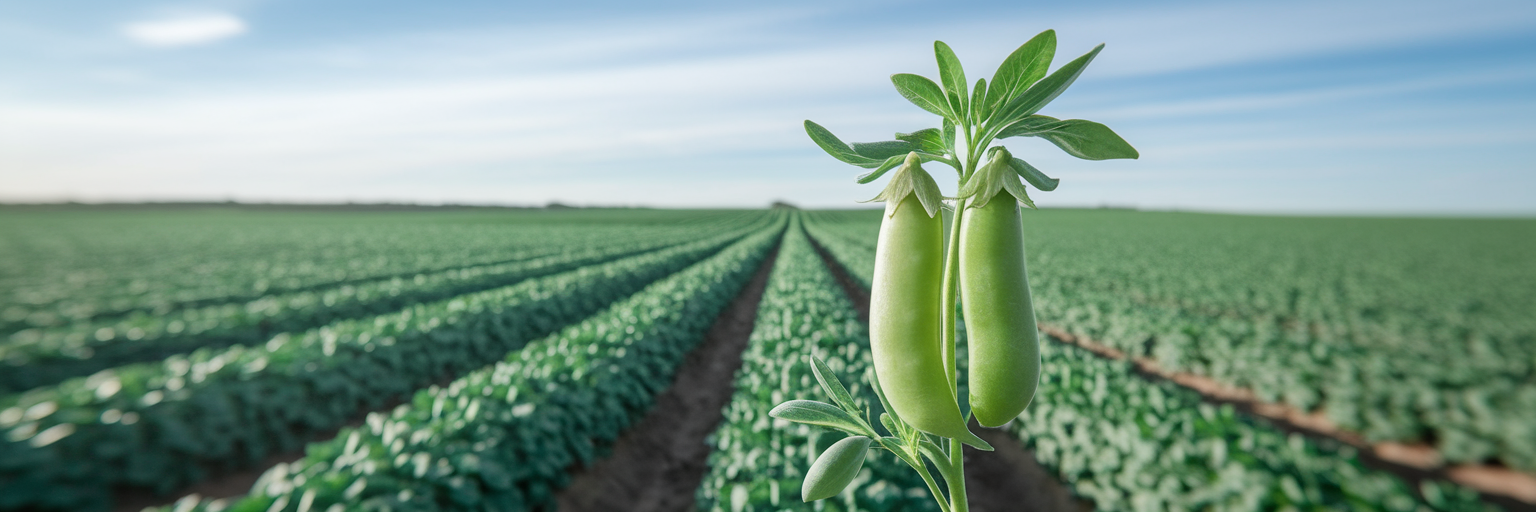
When we talk about the carbon footprint of protein powder, we’re talking about the total greenhouse gas emissions created to get that product into your hands, from farm to tub. The debate over plant based protein vs whey environment becomes incredibly clear when you look at the numbers. A 2024 comparative analysis by the Good Food Institute (GFI) found that plant-based proteins can generate up to 98% lower emissions than their animal-based counterparts.
Why such a massive difference? It comes down to efficiency. Producing whey protein requires a long and resource-intensive supply chain. It involves growing crops to feed cattle, which consume vast amounts of energy and release methane, a potent greenhouse gas. In contrast, plant-based protein is far more direct. We grow the plants and process them for you.
Think of it this way: the annual emissions saved by switching from whey to a pea or soy protein are comparable to taking your car off the road for several months. It’s a simple change in your routine that makes a tangible difference.
| Environmental Factor | Plant-Based Protein (e.g., Pea) | Animal-Based Protein (e.g., Whey) | Resource Savings |
|---|---|---|---|
| Greenhouse Gas Emissions | ~0.5-2.5 kg CO₂e | ~25-50 kg CO₂e | Up to 98% Less |
| Land Use | ~1-3 m² | ~60-100 m² | Up to 93% Less |
| Water Use | ~50-100 liters | ~5,000-10,000 liters | Up to 99% Less |
Note: Figures are estimates based on data aggregated from life-cycle assessments, including reports from the Good Food Institute (GFI). The ranges account for variations in farming practices, processing, and transportation. This table illustrates the significant resource efficiencies gained by producing protein directly from plants.
Saving Precious Resources Like Land and Water
Beyond just carbon emissions, your protein choice has a profound effect on two of our planet's most vital resources: land and water. While the previous section focused on what we release into the atmosphere, this is about what we take from the earth. The numbers are just as striking. According to GFI, producing plant-based protein requires up to 93% less land and 99% less water than animal-based protein.
The reason is simple math. It’s far more efficient to grow plants for people to eat directly than it is to grow enormous quantities of crops just to feed an animal, which then requires its own land and water over its lifetime. That inefficiency adds up quickly across a global food system.
But here’s where it gets even more powerful. Reducing our agricultural land use isn’t just about saving space. It opens up incredible opportunities for rewilding and reforestation. According to a GFI fact sheet, shifting our protein consumption could free up vast amounts of land, creating massive potential for carbon sequestration. By choosing plant protein, you’re part of a positive feedback loop: using less land allows forests to regrow, which in turn helps pull more carbon out of the atmosphere. Exploring these benefits is just the beginning; you can find more insights and tips on our blog.
The Sustainable Journey from Farm to Shaker

So what does the supply chain for a truly sustainable protein powder look like? It’s a story of efficiency and intention, from the soil all the way to your shaker bottle. It’s a journey we’re proud to be a part of.
An Efficient Start at the Farm
The efficiency begins right at the source. It’s a surprising fact, but plants already provide two-thirds of the world's protein while using just a quarter of its agricultural land. Crops like peas, soy, and rice are incredibly effective at converting sunlight, water, and soil into high-quality protein, forming the foundation of a much lighter-footprint product.
A Simpler, Cleaner Supply Chain
The journey from plant to powder is refreshingly direct compared to its animal-based alternative. There’s no need for the resource-heavy middleman of livestock. The process looks something like this:
- Harvesting: Plants are grown and harvested using a fraction of the land and water.
- Extraction: The protein is isolated from the plant using modern, clean techniques.
- Blending: The pure protein is blended with natural flavors and ingredients.
- Packaging: The final product is packaged and sent to you.
Furthermore, a 2024 study in PNAS highlights that these environmental benefits are enhanced even further when extraction processes are optimized for energy and water efficiency. This commitment to a cleaner process is what defines the best eco friendly protein supplements you can find in our collection.
The Role of Transparency
In a world where "greenwashing" is common, how can you be sure a product is genuinely sustainable? The answer is transparency. Reputable brands are increasingly using Life-Cycle Assessments (LCAs) to measure and report their environmental impact honestly. This data empowers you to look past marketing claims and make a truly informed choice based on facts.
Why Eco-Friendly Packaging Completes the Picture
A product’s environmental impact doesn’t end when you buy it. The "cradle-to-grave" footprint includes everything from sourcing ingredients to what happens to the container after you’ve finished the last scoop. That’s why thoughtful packaging is a non-negotiable part of creating truly eco friendly protein supplements.
For years, the industry standard has been large, bulky tubs made from virgin plastic. We’re seeing a positive shift away from this model. Brands committed to sustainability are moving toward materials with a lower impact, such as post-consumer recycled (PCR) plastics, bio-based containers, or minimalist pouches that reduce shipping weight and volume.
This isn't just a feel-good measure. The GFI provides guidance suggesting that sustainable packaging choices can cut the carbon footprint of a product’s distribution by 10-15%. As a conscious consumer, you can vote for this change by looking for brands that are open about their packaging choices and their goals for improvement. If you ever have questions about our packaging or sustainability efforts, our FAQs page is a great resource.
Your Purchase Is Part of a Powerful Movement

It’s easy to wonder if one person’s choice really matters. The answer is a resounding yes. Your decision to choose plant-based protein isn't happening in a vacuum; you’re part of a massive, consumer-led shift toward a healthier and more sustainable food system.
This isn't just a niche trend. A 2022 report from Boston Consulting Group (BCG) noted that alternative protein sales have seen double-digit annual growth in North America, driven by consumers just like you. Every time you choose a plant-based option, you’re casting a vote with your dollar. You’re sending a powerful signal to the market that fuels innovation, encourages more farmers to grow sustainable crops, and pushes the entire industry forward.
This movement is powered by a few key drivers:
- A commitment to personal health and wellness goals.
- A growing awareness of our environmental impact.
- A demand for clean, transparent products from brands we can trust.
You are not just a customer; you are a catalyst for change.
Envisioning a Greener Future, One Scoop at a Time
So, what does the future look like if this movement continues? The long-term vision is inspiring. The Good Food Institute projects that if plant-based options capture half of the protein market, it could slash agriculture-related emissions by 31% by 2050. This isn't a small adjustment; it's a monumental shift in our global environmental impact.
This aligns with findings from the OECD, which confirmed in a 2022 assessment that a shift toward plant-based proteins would significantly decrease global agricultural land use and lower greenhouse gas emissions. It’s a future with cleaner air, more abundant water, and restored ecosystems.
That future is built one choice at a time. It’s built in the gym when you push for one more rep, and it’s built in the kitchen when you choose your post-workout fuel. Every scoop of vegan protein is a small but meaningful step toward building a healthier body and a more resilient planet for everyone. Ready to make your next scoop count? Try our fan-favorite Chocolate Vegan Protein and taste the difference for yourself.