

A New Era of Plant-Powered Recovery
For decades, the image of an athlete's recovery meal was a huge steak or a carton of eggs. We were taught that peak performance was built on animal protein. But what if the secret to better endurance and faster recovery is found in plants? A growing number of US-based runners, cyclists, and triathletes are making the switch to plant-based eating, not just for ethical reasons, but for a real competitive edge.
This isn't about following a trend. It's about following the science. A well-designed vegan diet can fully support, and even enhance, the demanding recovery needs of an endurance athlete. Forget the old myths. The conversation has shifted from "Can you get enough protein?" to "How can plant protein optimize performance?"
This endurance athlete nutrition guide will give you a clear roadmap. We'll break down exactly how to use vegan protein for athletes to repair muscle, reduce inflammation, and come back stronger for your next training session. It’s time to see how a plant-powered approach can fuel your goals.
The Higher Protein Needs of an Endurance Athlete
Endurance training is a cycle of stress and adaptation. Think of your muscle fibers like ropes that fray slightly during a long run or ride. Protein is the raw material your body uses to weave those fibers back together, making them stronger and more resilient than before. Without enough protein, this repair process stalls, and so does your progress.
This is why endurance athletes need significantly more protein than the average person. While your friend who works a desk job might be fine with a lower intake, your body is in a constant state of repair. So, how much is enough? A 2025 analysis in the journal Sports Medicine recommends a daily intake of about 1.5 grams of protein per kilogram of body weight for endurance competitors. For a 150 lb (68 kg) athlete, that’s around 102 grams of protein every single day.
Falling short of this target isn't just a small mistake. It can lead to persistent soreness, a frustrating performance plateau, and even an increased risk of injury. Getting your nutrition right is a journey, and you can find more tips and insights on our blog to help you along the way.
Strategic Timing for Optimal Muscle Repair

Once you know your daily protein target, the next question is *when* to consume it. Timing can make a huge difference in how effectively your body uses that protein for plant based muscle recovery. After a tough workout, your muscles are extra hungry for nutrients. This period, often called the "anabolic window," is a prime opportunity to kickstart the repair process.
To make the most of it, the International Society of Sports Nutrition's position stand highlights that consuming 20–40 grams of high-quality protein within 30–60 minutes after your session is ideal for maximizing muscle protein synthesis. A delicious vegan protein shake is one of the easiest ways to hit this window. If you need some inspiration, check out these 3 easy vegan protein recipes you'll actually crave.
But recovery doesn't stop after an hour. It's an all-day process. To keep your muscles supplied with a steady stream of amino acids, it's best to spread your protein intake out. Here’s a simple playbook:
- Immediate Refuel: A 20-40g protein shake within an hour of finishing your workout.
- Consistent Intake: Aim for about 0.3-0.4 grams of protein per kg of body weight every 3-4 hours to keep muscle repair going.
- The Power Combo: Add carbohydrates to your post workout recovery meal or shake. A banana or a handful of oats helps replenish your glycogen stores, giving your body the energy it needs to focus on muscle repair.
Building a Complete Vegan Protein Profile
Let's tackle the old myth about "incomplete" plant proteins. The concern was that most plants don't contain all nine essential amino acids (EAAs) in optimal amounts. But here's the truth: "completeness" is about getting all nine EAAs throughout the day, which is easily achievable with a varied vegan diet.
For athletes, one amino acid is particularly important: leucine. Think of it as the light switch that turns on muscle protein synthesis. Systematic analyses have shown that as long as a serving provides about 2.5g of leucine, vegan proteins can stimulate muscle growth just as effectively as whey. This is why combining protein sources, like pea and rice protein, is such a smart strategy. It’s not a hassle; it’s a way to build a powerful, complete amino acid profile.
Modern food science has made this even easier. High-quality vegan protein isolates are now available with excellent digestibility and high leucine content, making them some of the best vegan protein for runners and other athletes. A well-formulated blend like our Chocolate Vegan Protein is designed to provide that complete amino acid profile without the chalky taste.
| Protein Source | Key Benefit | Amino Acid Profile | Best For |
|---|---|---|---|
| Pea Protein | High in Leucine & BCAAs | Rich in most EAAs, but lower in methionine | Post-workout recovery shakes |
| Rice Protein | Hypoallergenic & easily digestible | Complements pea protein (higher in methionine) | Blending with other proteins for a complete profile |
| Soy Protein | Complete protein source | Contains all 9 EAAs, similar to animal protein | All-purpose use in shakes and meals |
| Hemp Protein | Rich in fiber & healthy fats | Lower in leucine and lysine than other sources | Adding a nutritional boost to smoothies, not as a primary recovery source |
This table highlights the unique strengths of different plant proteins. Combining sources like pea and rice is a common strategy to create a complete amino acid profile ideal for muscle repair.
The Anti-Inflammatory Advantage for Faster Recovery
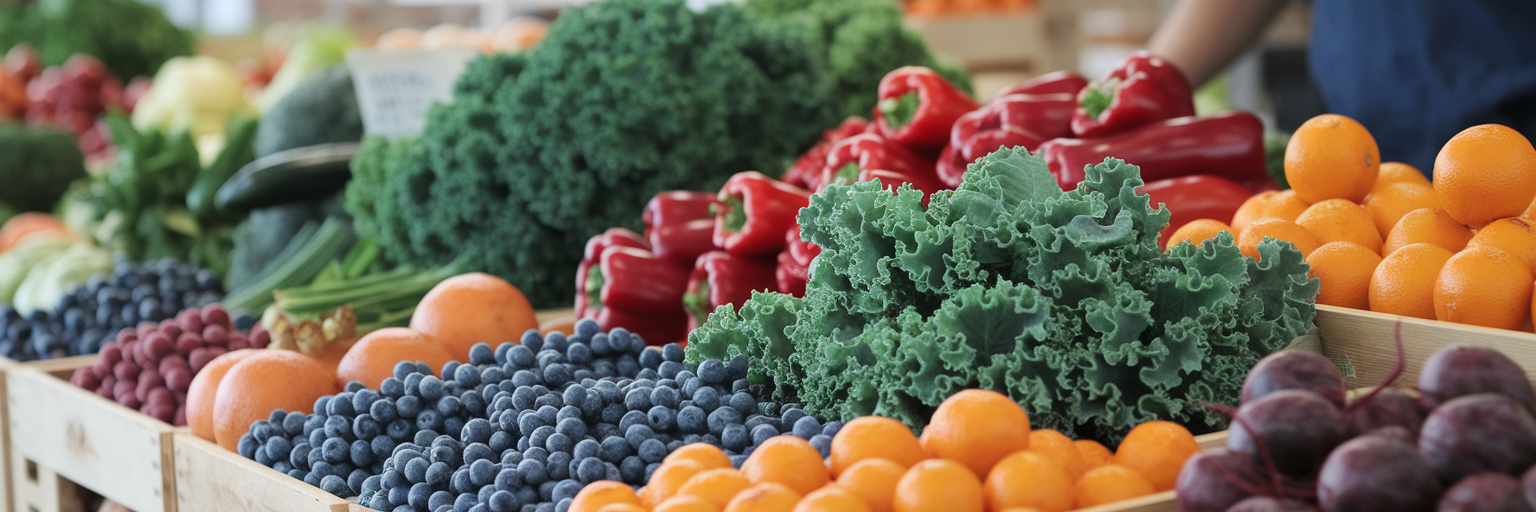
A plant-based diet offers more than just protein. It provides a powerful anti-inflammatory advantage that can significantly speed up your recovery. Intense exercise naturally creates inflammation and oxidative stress. While this is a normal part of training, too much of it can lead to prolonged soreness and slow you down.
This is where plant foods shine. They are packed with phytonutrients, like the polyphenols in berries and the carotenoids in leafy greens, which act as potent antioxidants. These compounds help neutralize the free radicals produced during exercise, effectively calming inflammation. As documented in resources from organizations like the Physicians Committee for Responsible Medicine, vegan athletes can have lower levels of inflammatory markers, helping them recover faster.
What does this mean for you? It means less muscle soreness and a quicker bounce-back between tough sessions. Less inflammation translates to less downtime, allowing for more consistent, high-quality training. Pairing a whole-foods diet with the right supplements is key. You can learn more about finding the best protein powders for your goals on our blog.
Key Supplements for the Vegan Endurance Athlete
A well-planned vegan diet is the foundation of peak performance, but a few key supplements can help fill nutritional gaps and give you an extra edge. Think of them as tools to optimize your hard work, not replace it.
- Creatine: This is a must-have. Creatine is one of the most studied supplements for improving strength and power, but it's naturally found in animal tissues, not plants. This makes supplementing with creatine for vegan athletes incredibly effective. As Verywell Health and other experts recommend, a daily dose of 5 grams is a straightforward way to maintain optimal muscle stores. Supplementing with a high-quality, pure creatine monohydrate is a simple way to support your performance.
- Vitamin B12: This vitamin is essential for energy production and nerve function, and it's not reliably found in plant foods. A B12 supplement is non-negotiable for vegan athletes.
- Iron and Zinc: While these minerals are present in plants, their absorption can sometimes be lower. Endurance athletes, especially women, have higher iron needs. It's wise to monitor your levels and consider a supplement if needed.
These supplements aren't magic pills, but they are smart additions to a strong nutritional foundation, ensuring your body has everything it needs to perform and recover at its best.
Your Plant-Based Recovery Blueprint
Feeling empowered? You should be. A well-planned vegan diet isn't a limitation; it's a powerful advantage for any endurance athlete. Let's recap the game plan:
- Hit Your Protein Target: Aim for ~1.5g of protein per kg of body weight daily.
- Time It Right: Get 20-40g of protein within an hour post-workout.
- Choose Smartly: Opt for high-leucine plant proteins or complete blends.
- Supplement Wisely: Consider key additions like creatine to fill any gaps.
Ready to fuel your next adventure? Explore our full range of clean, plant-based supplements designed to help you perform at your best.