
Why Plant-Based Protein Is a Fitness Game-Changer
The shift toward plant-based nutrition isn't just a passing trend; it's a fundamental change in how we approach fitness and wellness. In fact, a recent Fortune report highlighted a staggering 34% year-over-year increase in sales for "vegan-only" protein blends across major US retailers. This surge shows that more people are discovering the power of plants to fuel their goals.
But let's talk about the real concern many of us have when starting a weight loss journey: the fear of losing hard-earned muscle. You put in the work at the gym, and the last thing you want is for a calorie deficit to undo your progress. It’s a frustrating thought, but it doesn’t have to be your reality.
This is where a smart approach to nutrition comes in. With the right fuel, you can absolutely lose fat while preserving, and even building, lean muscle. High-quality vegan protein for weight loss is one of the most effective tools for this job. It provides the essential building blocks your muscles need to repair and grow, all while helping you feel full and satisfied. This guide will show you exactly how to make it work for you.
Decoding the Most Effective Plant Protein Sources
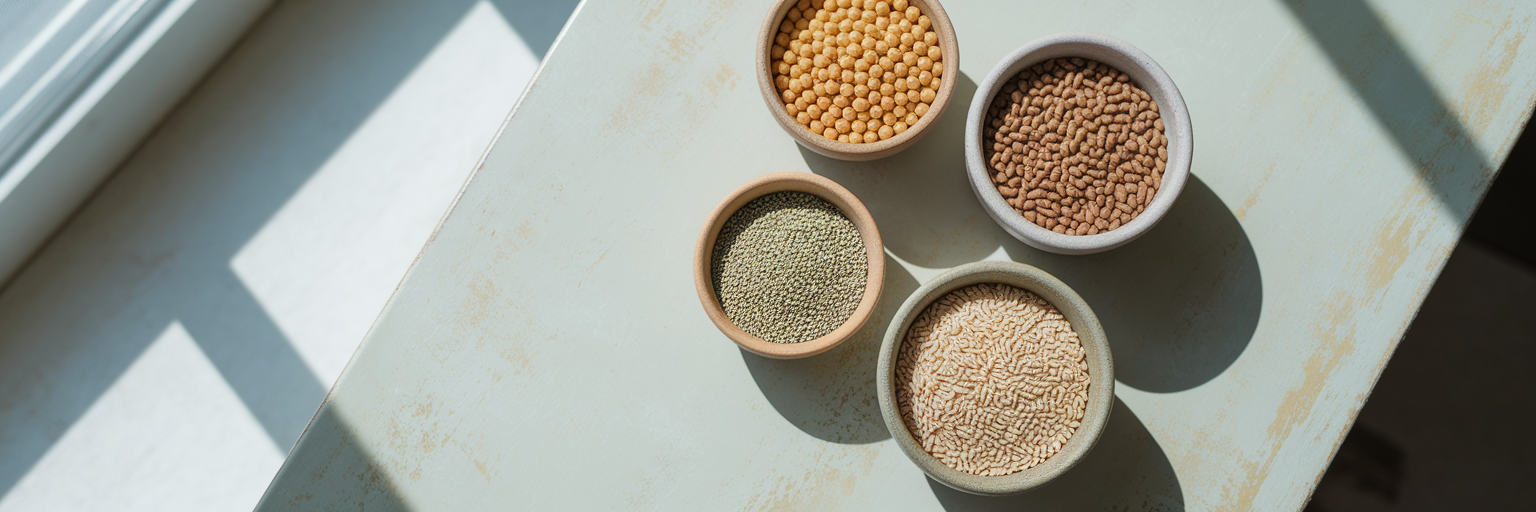
Not all plant proteins are created equal, and understanding the key players is the first step in choosing a powder that truly supports your goals. Think of these ingredients as the all-stars of your nutritional lineup, each bringing a unique strength to the team.
The Power Players in Plant Protein
While there are many sources, a few consistently stand out for their impressive nutritional profiles. According to Health.com, certain plant proteins offer high concentrations of muscle-building amino acids.
- Pea Protein: A powerhouse rich in branched-chain amino acids (BCAAs), especially arginine, which is fantastic for blood flow and post-workout recovery.
- Soy Protein: One of the few plant sources that is a complete protein on its own, meaning it contains all nine essential amino acids your body needs for muscle repair.
- Brown Rice Protein: The perfect partner to pea protein. It’s high in the amino acids methionine and cysteine, filling the gaps that pea protein has.
- Hemp Protein: Offers a solid dose of protein along with the added benefits of healthy omega-3 fatty acids and fiber, which supports digestion and overall wellness.
Why a 'Complete' Protein Matters for Muscle
You’ll hear the term "complete protein" a lot, and for good reason. A complete protein contains all nine essential amino acids that your body cannot produce on its own. Think of these amino acids as the essential tools in a mechanic's toolkit. If you’re missing one, you can’t fully repair the engine. For your body, these amino acids are non-negotiable for building and repairing muscle tissue, especially when you're in a calorie deficit.
The Advantage of Protein Blends
This brings us to why blends are often the superior choice for plant based protein for muscle gain. By combining different sources, like pea and brown rice protein, formulators can create a final product with a robust and complete amino acid profile that rivals animal-based proteins like whey. This is why many of the best protein powders on the market utilize a blend of sources, ensuring you get every tool you need for effective recovery.
What to Look for on the Nutrition Label
Walking down the supplement aisle can feel overwhelming. With so many tubs and clever marketing claims, how do you know what’s actually effective? The secret is to ignore the hype on the front and turn the product over to read the nutrition label. This is where the truth lies.
When your goal is to lose fat without sacrificing muscle, a few numbers on that label are more important than others. One of the most overlooked yet critical components is leucine. Leucine is the primary amino acid responsible for "flipping the switch" on muscle protein synthesis. Without enough of it, your post-workout shake won't be nearly as effective. For optimal muscle maintenance, especially when dieting, you should look for a powder that provides at least 0.7g of leucine per serving.
Beyond leucine, a serving size of around 20-25 grams of protein is the sweet spot. This amount is scientifically shown to be effective for stimulating muscle repair without packing in excess calories. Learning how to choose vegan protein is about becoming a savvy label-reader. Use this checklist as your guide.
| Label Component | What to Look For | Why It Matters for Weight Loss & Muscle |
|---|---|---|
| Protein per Serving | 20-25 grams | Effectively stimulates muscle repair and helps meet daily protein goals. |
| Total Sugars | 2 grams or less | Minimizes empty calories and avoids insulin spikes that can hinder fat loss. |
| Leucine Content | At least 0.7g (or look for a complete amino acid profile) | This is the key trigger for muscle protein synthesis to preserve lean mass. |
| Protein Source | A blend (e.g., pea and brown rice) | Ensures a complete amino acid profile, making it as effective as whey. |
| Sweeteners | Stevia, Monk Fruit, Erythritol | Provides sweetness without adding calories or impacting blood sugar. |
This checklist provides a quick reference for evaluating a vegan protein powder. These metrics are based on recommendations from nutrition experts for individuals aiming to lose fat while preserving muscle.
Avoiding Hidden Sugars That Hinder Weight Loss

You’re carefully tracking your calories and hitting your workouts, but the scale isn’t moving. What gives? The culprit could be hiding in plain sight: the sugar content in your protein powder. Many flavored powders, especially those that taste like dessert, are loaded with added sugars that can quietly sabotage your weight loss efforts.
These sugars contribute empty calories and can cause sharp spikes in your blood sugar. When your blood sugar crashes, it often triggers cravings for more sugary foods, creating a vicious cycle that makes sticking to your plan much harder. This is why finding a great low sugar vegan protein powder is so important.
Here’s a simple rule to follow: always check the ingredients list and aim for a product with 2 grams of sugar or less per serving. Don’t be fooled by "healthy-sounding" sugars like cane juice or agave nectar; your body processes them all in a similar way. Instead, look for products sweetened with natural, zero-calorie alternatives like stevia, monk fruit, or erythritol. These deliver a clean, pleasant sweetness without the metabolic downside. For example, formulas like our Chocolate Vegan Protein are sweetened with natural, zero-calorie sweeteners to deliver amazing flavor without compromising your goals.
Calculating Your Personal Protein Target
Knowing how much protein you need each day is perhaps the most critical piece of the puzzle. Consistently hitting your daily protein target is the number one factor in preserving muscle mass while you lose fat. But how do you figure out your personal number?
The science on protein intake for fat loss is quite clear. This recommendation is supported by extensive research, with resources like Examine.com's Optimal Protein Intake Guide providing a deep dive into the science. For active individuals, the goal is to consume between 1.6 to 2.2 grams of protein per kilogram of body weight.
To make it even simpler, you can use this rule of thumb:
- Determine your target body weight in pounds. Let's say your goal is 150 lbs.
- Aim for approximately 1 gram of protein per pound of that target weight. In this case, your daily protein goal would be around 150 grams.
- Track your intake. Use a nutrition app to see how much protein you're getting from whole foods, and then use a protein powder to help you fill in the gaps and reach your daily target.
A scoop of protein powder with 25 grams of protein makes hitting that number significantly easier. If you have more questions about how our products fit into your daily goals, check out our FAQs page.
Smart Ways to Combine Protein and Exercise
You’ve picked the right protein and calculated your daily target. The final step is to sync your nutrition with your training for the best results. For years, we were told we had to chug a protein shake within a rigid 30-minute "anabolic window" after a workout. We now know things are more flexible.
Modern research, discussed by experts like Dr. Andrew Huberman, notes that while timing has a modest impact, the window for protein intake post-exercise is more flexible than once thought, extending up to a few hours. The most important thing is hitting your total daily protein goal. However, having a shake right after your workout is a convenient and effective way to kickstart the recovery process.
Remember, protein and exercise work as a team. Resistance training (like lifting weights or bodyweight exercises) sends the signal to your body to build or maintain muscle. The protein you eat provides the raw materials to get the job done. For an extra edge in strength and performance, many athletes pair their protein with pure creatine monohydrate, one of the best US supplements for energy and power output. To get started, try one of these 3 easy vegan protein recipes you'll actually crave.