

A Key Supplement for Plant-Based Power
If you spend any time in fitness circles, you’ve heard of creatine monohydrate. It stands as one of the most researched sports supplements available, known for its consistent and powerful effects on performance. At its core, creatine helps your body regenerate its primary energy currency, ATP, which fuels short, intense muscle contractions. Think of the explosive power needed for lifting heavy weights or sprinting—that’s where creatine shines.
But here’s something that often gets missed: because creatine is naturally found in animal tissues, those on plant-based diets typically have lower baseline levels in their muscles. This isn't a problem, but it presents a huge opportunity. For vegans and vegetarians, supplementation isn't just about getting an edge; it's about leveling the playing field and then some. The vegan creatine benefits are particularly significant because you’re filling a dietary gap that meat-eaters don’t have.
This simple fact makes creatine a uniquely powerful tool for any plant-based athlete looking to boost strength. The good news is that the science is clear, and the creatine benefits are backed by decades of research. Let’s walk through exactly how to use it to support your goals.
The Science Behind Enhanced Strength and Performance

So, we know creatine helps with energy, but how does that translate to actual results in the gym? When you supplement with creatine, you’re essentially topping off your muscles’ phosphocreatine stores. Think of it like filling a turbo-boost tank in a race car before you hit the track. With more phosphocreatine available, your body can regenerate ATP much faster during those tough, high-effort sets.
This isn’t just theory. A massive 2025 research synthesis on Examine.com confirms that creatine improves high-intensity performance by an average of 5–15%. What does that feel like? It’s the difference between failing on your eighth rep and pushing through to get a ninth or even a tenth. It’s the power you need to add another five pounds to your squat and finally break through a frustrating plateau. That’s why many consider it the best creatine for strength gains.
This extra capacity for work, repeated over weeks and months, is what leads to greater strength and muscle growth. You can train harder and recover more effectively between sets, creating a powerful stimulus for your body to adapt and get stronger. While most of the excitement is around muscle, some emerging research even points to potential cognitive benefits, which is a nice added bonus for overall well-being. But for athletes, the real magic happens when you can consistently push your limits, and creatine gives you the fuel to do just that.
Your Optimal Daily Creatine Dosage
Getting started with creatine is refreshingly simple. There’s no complex timing or cycling required, just consistency. The most effective, science-backed approach for long-term results is to take 3–5 grams of creatine monohydrate every day. This maintenance dose works perfectly for everyone, and it’s the ideal strategy for understanding how to use creatine for vegans.
You might also hear about an optional "loading phase." This involves taking a higher amount—typically 20 grams per day, split into four 5-gram doses—for about a week to saturate your muscles more quickly. While it can speed up results by a few weeks, it’s not necessary to see the full benefits. For most people, the steady daily dose is easier to manage and just as effective over time.
Regardless of which method you choose, two things are key: consistency and hydration. Taking it daily is what matters, not the exact time of day. Just find a time that works for you and stick with it. Also, make sure you’re drinking plenty of water. Staying well-hydrated is key to maximizing absorption and performance, a best practice supported by experts at OPSS.
| Factor | Loading Phase | Daily Maintenance Dose |
|---|---|---|
| Protocol | 20g per day (in 4 doses) for 5-7 days | 3-5g per day, once daily |
| Time to Full Saturation | ~1 week | ~3-4 weeks |
| Best For | Athletes needing rapid results for an event | Anyone seeking steady, long-term benefits |
| Potential Side Effects | Higher chance of temporary bloating or GI upset | Minimal to no side effects for most users |
Note: This table compares the two most common, scientifically-validated methods for creatine supplementation. Both approaches lead to the same level of muscle saturation over time; the choice depends on individual preference and timeline.
Pairing Creatine with Plant-Based Protein for Best Results
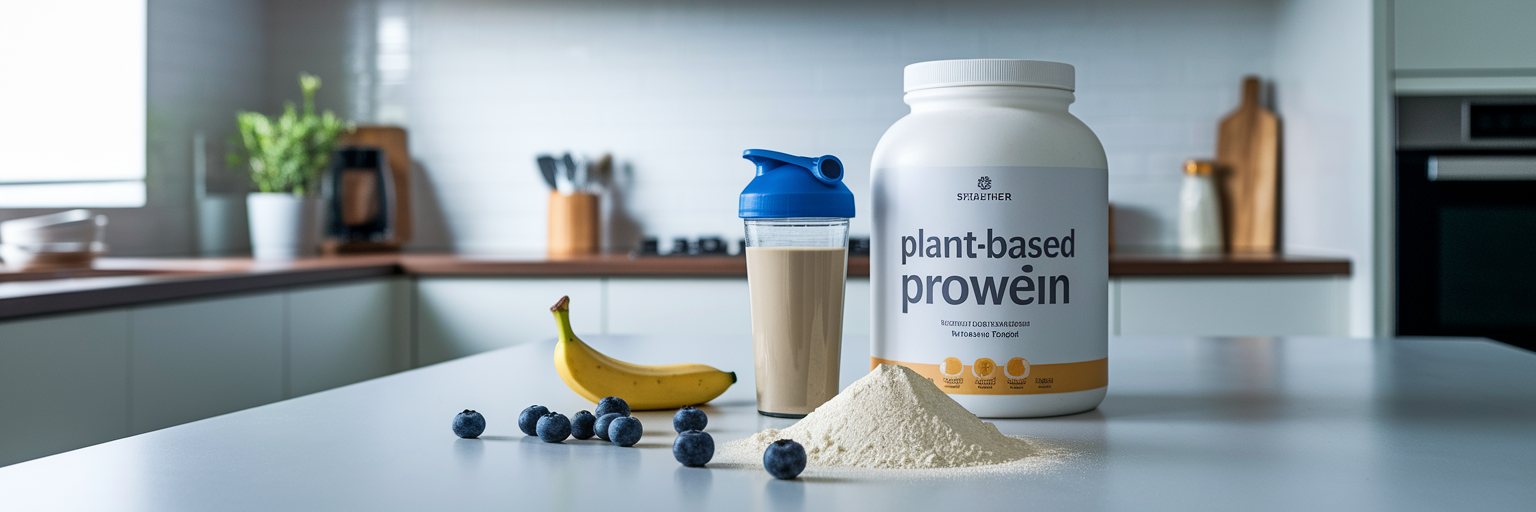
If creatine is the energy source for your workout, think of protein as the building material for recovery. Using them together creates a powerful synergy for anyone serious about building strength. Creatine fuels more intense training sessions, which creates a greater need for muscle repair. High-quality protein provides the amino acids necessary to rebuild that muscle tissue stronger than before. It’s a perfect partnership of creatine and vegan protein.
The easiest way to combine them is to add your daily 3–5 grams of unflavored creatine monohydrate directly into your post-workout protein shake. This simple habit ensures you get both supplements when your body is primed for recovery. Mixing it into a delicious shake with a scoop of our Chocolate Vegan Protein is a simple and effective habit. Choosing a vegan protein isolate with a smooth, non-chalky texture makes this daily ritual something you’ll actually look forward to.
Here’s a simple formula for the perfect post-workout shake:
- 1-2 scoops of high-quality vegan protein powder
- 1 serving (3-5g) of pure creatine monohydrate
- 10-12 oz of plant-based milk or water
- Optional: a banana or berries for carbohydrates and flavor
This combination delivers everything your muscles need to repair, rebuild, and grow. These are the foundational plant based muscle building supplements for a reason—they work. And if you ever get tired of shakes, there are plenty of other easy vegan protein recipes you can try.
Separating Creatine Fact from Fiction
Despite being one of the most studied supplements, creatine is still surrounded by a surprising amount of misinformation. Let’s clear up a few of the most common myths so you can feel completely confident adding it to your routine.
- Myth: Creatine damages your kidneys. This is perhaps the most persistent myth, but it’s been thoroughly debunked. In fact, large-scale reviews referenced by the Center for Science in the Public Interest (CSPI) have found no evidence of kidney damage in healthy people who use it at recommended doses.
- Myth: Vegans have a "brain creatine" deficiency. While it’s true that muscle creatine is lower on a plant-based diet, the brain is a different story. As recent studies cited by Drink Harlo show, cerebral creatine concentrations are actually similar between vegans and meat-eaters, as the brain produces most of its own supply.
- Myth: Creatine causes bloating and unnatural water weight. Creatine does pull water into your muscle cells. This is a good thing—it’s part of how it works and contributes to a fuller, more powerful muscle. Any initial, temporary bloating some people experience during a loading phase can usually be minimized by sticking to a maintenance dose and staying well-hydrated.
The science is clear: creatine is a safe and effective tool for enhancing performance. If you have more questions, our FAQ page is a great resource.
Putting It All Together for Your Fitness Journey
Building strength on a plant-based diet is about smart, consistent effort, and creatine is one of the best tools you can have in your corner. It’s not a magic pill, but it is a proven and powerful performance enhancer that can help you push past your limits.
The plan is simple: take 3–5 grams of creatine monohydrate daily, pair it with a high-quality vegan protein after your workouts, stay hydrated, and continue to train with intensity. By fueling your body with clean, effective supplements, you’re giving yourself the best possible support to achieve your goals.
Ready to fuel your progress? Explore our pure Creatine Monohydrate and see the difference it can make. And if you found this guide helpful, share it with a friend who could use a plant-based performance boost!