

Turn Your Favorite Treats into Nutritious Fuel
We've all been there. It's 3 PM, and the craving for a warm, gooey cookie hits, but you don't want to derail your health goals. What if you could satisfy that sweet tooth and fuel your body at the same time? It sounds too good to be true, but it’s entirely possible.
Baking with vegan protein powder is a simple and effective way to transform your favorite treats into functional snacks. Imagine muffins that help your muscles recover after a workout or cookies that keep you full until dinner. This isn't about restriction. It's about making your food work harder for you.
In this guide, we’ll walk you through everything you need to know. We'll cover the benefits of protein-powered baking, share our top tips for getting the texture just right, and give you some delicious clean nutrition recipes to get you started. Creating these treats is easier than you think.
The Benefits of Protein-Powered Baking
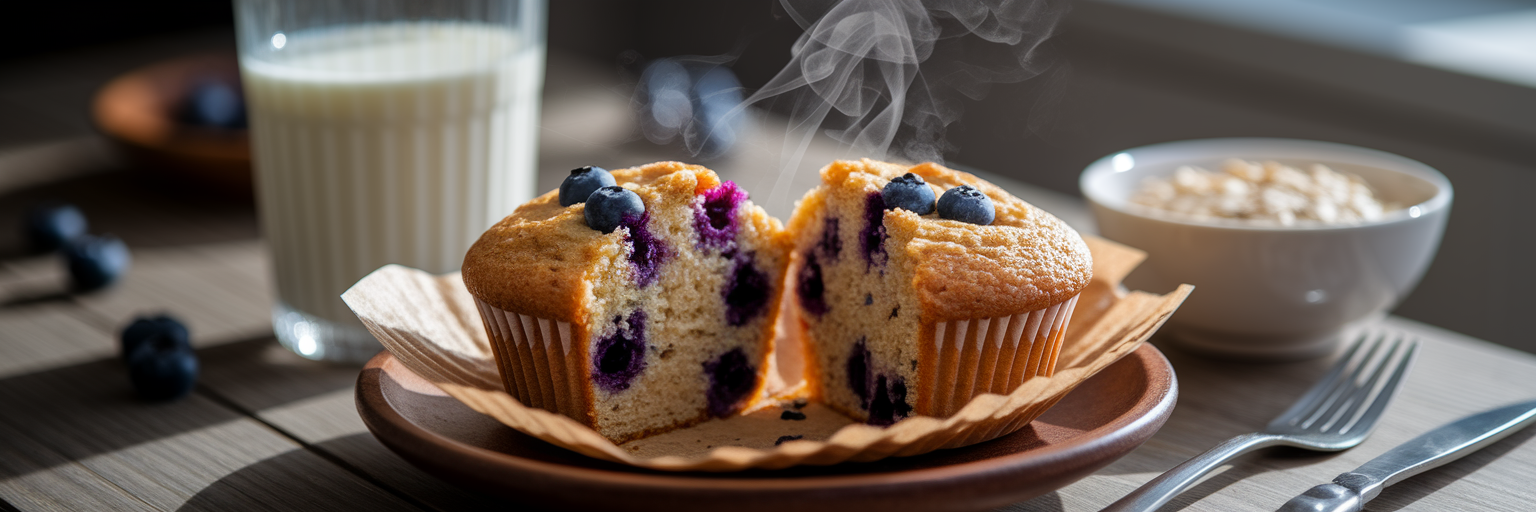
Adding a scoop of protein to your batter does more than just boost your nutrient intake. It fundamentally changes what your baked goods do for your body. Instead of a quick sugar rush followed by a crash, you get a snack that supports your active lifestyle. This is the core of healthy baking with protein.
Here’s why it makes such a difference:
- Supports Muscle Repair and Growth: Protein is essential for repairing the micro-tears in your muscles that occur during exercise. A post-workout protein muffin isn't just a treat. It's a recovery tool that helps you build lean muscle.
- Keeps You Fuller, Longer: Have you ever noticed how a regular cookie leaves you wanting another one ten minutes later? Protein promotes satiety, helping you feel full and satisfied. This can be a huge help in managing cravings and supporting weight management goals.
- Provides Sustained Energy: By balancing carbohydrates with protein, you turn empty calories into nutrient-dense fuel. This helps stabilize blood sugar levels, giving you steady, sustained energy without the afternoon slump.
- A Delicious Way to Meet Your Goals: For anyone on a plant-based diet, hitting daily protein targets can sometimes feel like a chore. Baking it into treats you already love makes it convenient, enjoyable, and effortless.
If you're looking for more ways to incorporate smart nutrition into your meals, you can explore the ideas we've shared on our blog.
Choosing the Best Vegan Protein for Your Recipes
Not all protein powders are created equal, especially when it comes to baking. The right choice can make the difference between a dense, gritty hockey puck and a light, delicious muffin. The best protein for baking is one that complements your recipe instead of overpowering it.
First, consider flavor. A flavored powder, like chocolate or vanilla, can add richness and sweetness, allowing you to reduce the sugar in your recipe. For example, a scoop of our rich Chocolate Vegan Protein is perfect for brownies or cookies, infusing them with a deep cocoa taste. On the other hand, an unflavored powder offers more versatility, letting the other ingredients, like banana or spices, shine through.
Texture is just as important. We’ve all tried a plant-based protein that felt chalky or sandy. When you bake with it, that texture can become even more pronounced. Look for a finely milled vegan protein isolate. These powders dissolve more easily and create a much smoother consistency in your batter. Pea protein is a popular choice, but a blend of different plant sources often yields a more complete amino acid profile and a better final texture.
Finally, always check the label. The goal is clean nutrition, so choose a powder with minimal ingredients and no artificial additives. A clean, simple formula ensures you're adding pure fuel to your recipes, not unnecessary fillers.
Four Essential Rules for Perfect Protein Baking
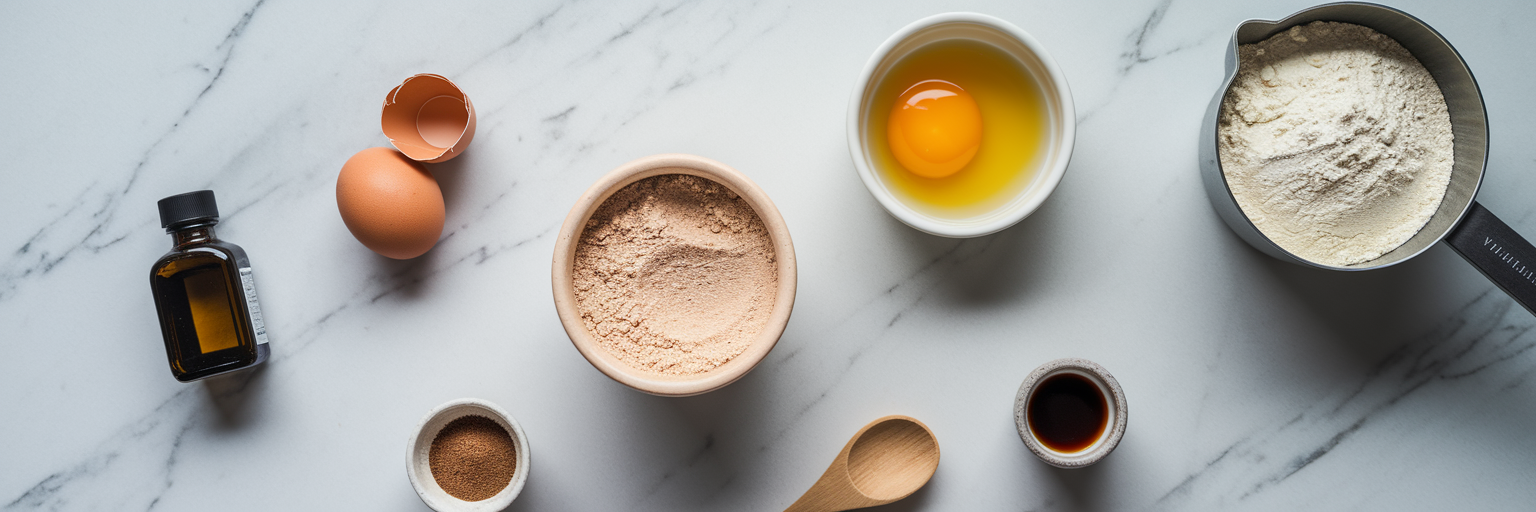
Learning how to bake with protein powder involves a few adjustments, but once you know the rules, you'll get consistent results every time. Protein powder behaves differently than flour, primarily because it's much more absorbent. Keep these four principles in mind, and you'll avoid the common pitfalls.
- Get the Ratio Right: Protein powder is not a direct 1:1 substitute for flour. Using too much will result in a dry, dense final product. A good rule of thumb is to replace no more than 1/4 to 1/3 of the flour in a recipe with protein powder. As baking experts at MyVega also suggest, this ratio helps maintain a desirable texture. Start with a smaller amount and see how your batter feels.
- Boost the Moisture: Since protein powder soaks up liquid like a sponge, you need to compensate by adding extra moisture. This is your secret weapon against dryness. Think ingredients like mashed banana, unsweetened applesauce, pumpkin puree, yogurt, or nut butters. Research from sources like The Organic Protein Company confirms that these additions are key to preventing a dry outcome.
- Don't Overmix the Batter: This might be the most important rule. When you overmix a batter containing protein, it can develop a tough, rubbery, or chewy texture. Mix your wet and dry ingredients only until they are just combined. A few lumps are perfectly fine. Resist the urge to stir until it's perfectly smooth.
- Adjust Your Baking Time and Temperature: Baked goods made with protein powder tend to cook faster than their traditional counterparts. To prevent them from drying out or burning, consider reducing your oven temperature by about 25°F (or 15°C). It's also a good idea to start checking for doneness 5 to 10 minutes earlier than the recipe suggests.
Recipe: Wholesome Blueberry Protein Muffins
This simple protein powder muffins recipe is the perfect entry point into protein baking. They are moist, fluffy, and packed with enough fuel to power your morning. To get started, you can find the perfect base for this and other recipes by exploring our complete collection of clean, plant-based proteins.
Ingredients (makes 12 muffins):
- 1 ½ cups all-purpose or whole wheat flour
- ½ cup vanilla vegan protein powder
- 2 tsp baking powder
- ½ tsp salt
- 1 cup unsweetened plant-based milk
- ⅓ cup maple syrup
- ⅓ cup mashed banana or applesauce
- 1 tsp vanilla extract
- 1 cup fresh or frozen blueberries
Instructions:
- Preheat your oven to 375°F (190°C) and line a muffin tin.
- In a large bowl, whisk together the flour, protein powder, baking powder, and salt.
- In a separate bowl, mix the plant-based milk, maple syrup, mashed banana, and vanilla extract.
- Pour the wet ingredients into the dry ingredients and stir until just combined. Do not overmix.
- Gently fold in the blueberries.
- Divide the batter evenly among the muffin cups and bake for 18-22 minutes, or until a toothpick inserted into the center comes out clean.
Pro-Tip: Add the zest of one lemon to the batter for a bright, fresh flavor that pairs beautifully with the blueberries.
Recipe: Chewy Chocolate Chip Protein Cookies

Who doesn't love a classic chocolate chip cookie? This version delivers that satisfying chewiness you crave while providing a solid dose of protein. These are one of our favorite vegan protein powder recipes for a reason.
Ingredients (makes about 15 cookies):
- 1 cup oat flour (or finely blended oats)
- ½ cup chocolate vegan protein powder
- ½ tsp baking soda
- ¼ tsp salt
- ½ cup creamy almond butter
- ½ cup coconut sugar or maple syrup
- ¼ cup plant-based milk
- 1 tsp vanilla extract
- ½ cup vegan chocolate chips
Instructions:
- Preheat your oven to 350°F (175°C) and line a baking sheet with parchment paper.
- In a bowl, combine the oat flour, protein powder, baking soda, and salt.
- In another bowl, mix the almond butter, coconut sugar, plant-based milk, and vanilla until smooth.
- Add the dry ingredients to the wet and stir until a thick dough forms. Fold in the chocolate chips.
- Roll the dough into balls and place them on the baking sheet. Protein cookie dough doesn't spread much, so gently flatten each ball with your palm.
- Bake for 10-12 minutes.
Texture Tip: For an extra chewy cookie, pull them from the oven when the edges are set but the center still looks slightly underdone. Let them cool on the hot baking sheet for 5 minutes before transferring to a wire rack.
Recipe: Hearty Banana Protein Bread
There's nothing more comforting than a warm slice of banana bread. This recipe keeps all the comforting flavor you love but adds a nutritional boost that makes it a perfect breakfast or snack.
Ingredients:
- 3 ripe bananas, mashed
- 1 ½ cups all-purpose or whole wheat flour
- ½ cup vanilla vegan protein powder
- ½ cup coconut sugar
- ⅓ cup melted coconut oil or light olive oil
- 1 tsp baking soda
- 1 tsp cinnamon
- ½ tsp salt
Instructions:
- Preheat your oven to 350°F (175°C) and grease a loaf pan.
- In a large bowl, mix the mashed bananas, coconut sugar, and melted oil.
- In a separate bowl, whisk together the flour, protein powder, baking soda, cinnamon, and salt.
- Add the dry ingredients to the wet banana mixture and stir until just combined.
- Pour the batter into the prepared loaf pan.
- Bake for 50-60 minutes, or until a toothpick inserted into the center comes out clean. Let it cool in the pan for 10 minutes before transferring to a wire rack.
Finishing Touch: Before baking, sprinkle the top of the batter with chopped walnuts or a tablespoon of rolled oats for a beautiful, bakery-style finish. Loved this banana bread? Discover more simple and satisfying vegan protein recipes you'll actually crave.
Fixing Common Protein Baking Problems

Even with the best recipe, things can sometimes go sideways. Don't get discouraged! Most protein baking issues are easy to fix once you know the cause. As Amy's Healthy Baking points out, different plant-based powders have unique properties, so a little experimentation is part of the process. Here’s a quick guide to troubleshooting.
| The Problem | The Likely Cause | The Solution |
|---|---|---|
| My treats are dry and crumbly. | Too much protein powder or not enough liquid/fat. | Reduce protein to 1/4 of the flour. Add moisture-rich ingredients like banana, applesauce, or pumpkin puree. |
| My muffins are dense and rubbery. | Overmixing the batter. | Mix only until the wet and dry ingredients are just combined. Do not over-stir. |
| The protein flavor is too strong. | The protein powder has a distinct taste. | Use a milder powder (like vanilla or unflavored) or add strong complementary flavors like cocoa, cinnamon, or citrus zest. |
Finding the perfect balance is a rewarding journey. For answers to more general questions about our products and their uses, check out our FAQ page.