
When you are working hard to get leaner, the last thing you want is for your body to burn precious muscle instead of fat. We have all been there, putting in the effort at the gym and in the kitchen, only to feel like we are losing strength along with the weight. This is where protein becomes your most valuable ally, acting as the essential tool to guide your body toward the right results.
The Science of Protein in Your Fat Loss Journey
Before we talk about plant-based sources, let’s cover why protein is so fundamental for anyone looking to change their body composition. Think of it as the foundation for learning how to lose fat not muscle. Its power comes from a few key mechanisms that work together to support your goals.
First, protein is incredibly effective at promoting satiety, which is the feeling of being full and satisfied. We all know that nagging hunger that can derail a diet. Protein helps quiet that noise. Foods rich in protein take longer to digest, keeping you feeling full for hours and reducing the urge to snack on empty calories. As detailed by research platforms like Examine.com, this effect is well-documented and plays a significant role in managing overall calorie intake.
Next is the Thermic Effect of Food, or TEF. This might sound technical, but it is a simple concept. Your body uses energy to digest and process the food you eat. Protein has a much higher TEF than fats or carbs, meaning your body burns more calories just breaking it down. You can think of it as a metabolic tax on your food. For every 100 calories of protein you consume, your body might use up to 30 of them in digestion, giving your metabolism a helpful nudge.
Finally, and most importantly, protein preserves your hard-earned muscle. When you are in a calorie deficit to lose fat, your body can sometimes turn to muscle tissue for energy. This is a process called catabolism, and it is exactly what we want to avoid. Adequate protein intake acts as a protective shield for your muscles, providing the necessary amino acids for repair and maintenance. This ensures that the weight you lose comes from fat stores, not from your strength.
Plant-Based Protein's Unique Role in Body Composition
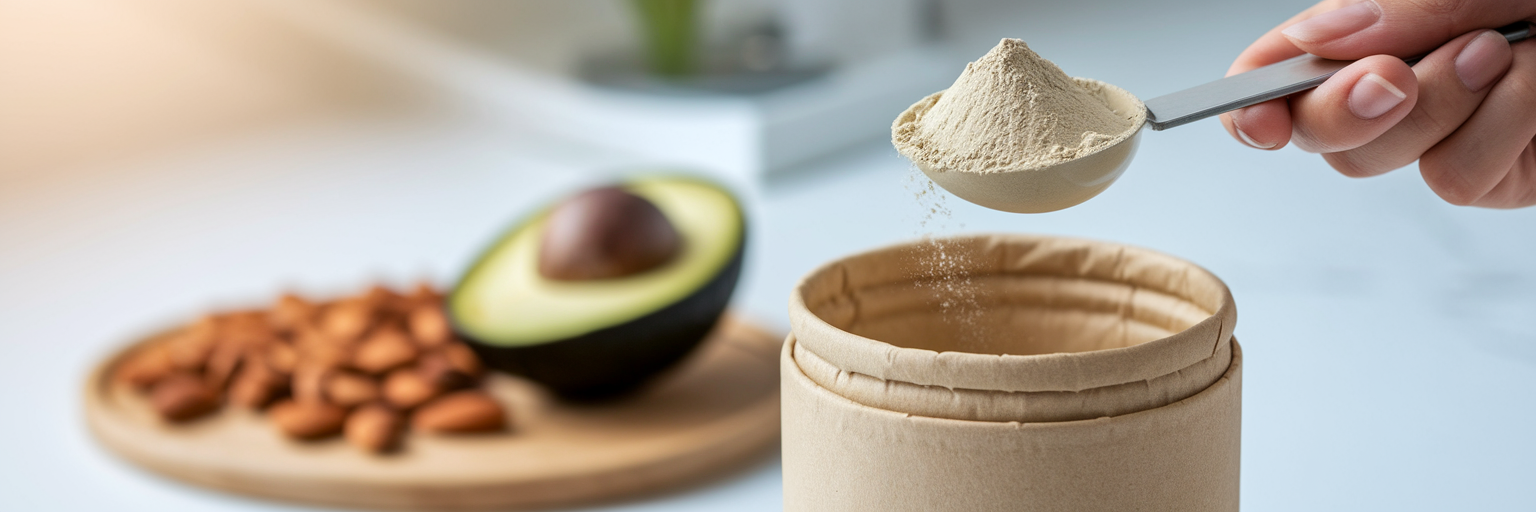
With that scientific foundation in place, let's address a common question: can plant-based protein really do the job? For years, a myth has circulated that plant proteins are "incomplete" and therefore inferior for muscle building. Let's set the record straight. High-quality vegan protein powders are formulated by combining different plant sources, like pea and rice protein, to create a complete amino acid profile. This makes them just as effective for muscle repair and growth.
In fact, choosing a plant-based option for muscle gain offers some unique advantages that support your overall wellness during a fat loss phase. It is not about compromise; it is about getting more from your protein.
- Added Fiber for Fullness: Unlike whey, plant proteins contain natural fiber. This works with the protein to enhance that feeling of fullness we talked about earlier, making it even easier to stick to your nutrition plan. Plus, fiber is fantastic for supporting a healthy gut, which is a cornerstone of overall health. - Clean, Gentle Digestion: Have you ever felt bloated or uncomfortable after a protein shake? For many, this is a reaction to dairy or lactose. Plant-based proteins are naturally free from these common irritants, making them a gentle, bloat-free option that keeps you feeling light and energized. - Alkalizing Properties: Intense exercise can create an acidic environment in the body. Plant-based foods tend to be more alkalizing, which may help balance your body's pH and support a smoother recovery process. It is a subtle but valuable perk for anyone training consistently.
When you choose a well-formulated vegan protein, you are not just getting fuel for your muscles. You are getting a clean, digestible, and supportive tool for your entire system. If you are curious about what makes a quality formula, you can explore some of the best protein powders we have reviewed that meet these clean-label criteria.
Comparing Plant Protein and Whey for Cutting Phases
The debate over whey vs plant protein for cutting is a frequent topic in gyms across the US. While whey has long been praised for its rapid absorption, recent science shows that plant-based blends are just as powerful for achieving a lean, strong physique. The decision often comes down to more than just muscle synthesis; it is about how the protein works with your body as a whole.
Research has consistently shown that when protein content is matched, plant-based blends stimulate muscle growth and repair just as effectively as whey. For instance, a study highlighted by the National Institutes of Health found no significant differences in body composition, muscle thickness, or strength gains between athletes using a pea and rice protein blend versus those using whey protein. The takeaway is clear: your muscles get what they need either way.
The real difference often lies in digestibility. Lactose intolerance is surprisingly common, and even a mild sensitivity can lead to bloating, gas, and discomfort after a whey shake. This is the last thing you want when you are working to feel lean and confident. Plant protein offers a hypoallergenic alternative that is gentle on your digestive system, allowing you to focus on your performance, not your stomach.
| Factor | Plant-Based Protein | Whey Protein |
|---|---|---|
| Muscle Synthesis | Equally effective with complete amino acid blends | Effective, known for rapid absorption |
| Digestibility | Hypoallergenic, dairy-free, and often easier to digest | Contains lactose, which can cause bloating or discomfort |
| Nutrient Profile | Rich in fiber, vitamins, and minerals | Low in fiber; can contain cholesterol and saturated fat |
| Sustainability | Lower environmental footprint (less water and land) | Higher environmental impact due to animal agriculture |
This table summarizes the key trade-offs between plant-based and whey protein for someone focused on fat loss. The data on muscle synthesis is based on studies comparing total protein and amino acid content, while digestibility and sustainability reflect inherent differences in the sources.
Finally, for many health-conscious individuals, the environmental impact matters. Plant-based proteins have a significantly smaller footprint, requiring less water and land to produce. Choosing plant protein becomes a decision that supports both your body and the planet. For more insights on nutrition, feel free to explore our other articles.
Maximizing Your Results with Vegan Protein

Knowing that vegan protein is an effective tool is one thing; using it correctly is another. To truly get the most out of your efforts, a few practical steps can make all the difference. Here is how to make vegan protein for weight loss work for you.
- Get Your Numbers Right: For preserving muscle during fat loss, experts recommend a protein intake between 1.6 to 2.4 grams per kilogram of body weight. Calculate your target and use it as a daily goal. This ensures your body has a steady supply of amino acids to protect muscle tissue while you are in a calorie deficit.
- Time It for Success: When you consume your protein matters. The two most strategic times are within an hour after your workout to kickstart muscle repair, and as a snack between meals. A protein shake in the afternoon can crush cravings and prevent you from reaching for sugary options, keeping your energy stable and your goals on track.
- Read the Label Like a Pro: Not all protein powders are created equal. When searching for the best vegan protein powder US, turn the tub around and look for a few key markers: 20-25 grams of protein per serving, a complete amino acid profile, low sugar content, and no artificial fillers or additives. If you have more questions about ingredients, check out our FAQs page for answers.
- Demand Great Taste and Texture: Let’s be honest, no one wants to drink a chalky, gritty shake. The old stereotype of plant proteins being unpleasant is outdated. Modern formulas are smooth, delicious, and something you can actually look forward to. Remember, consistency is everything. If you do not enjoy it, you will not stick with it.
Simple Ways to Integrate Vegan Protein into Your Diet
Thinking that protein powder is only for post-workout shakes is a missed opportunity. Making vegan protein a seamless part of your daily routine is the key to staying consistent and seeing results. It is time to get creative in the kitchen.
Instead of limiting yourself to a shaker bottle, think of your protein powder as a versatile, high-protein flour. Here are a few simple ideas to get you started:
- Boost Your Breakfast: Stir a scoop of vanilla or unflavored protein into your morning oatmeal or mix it into your pancake or waffle batter for a muscle-building start to your day.
- Power Up Your Snacks: Blend a scoop into plant-based yogurt or a chia seed pudding. It adds a creamy texture and a satisfying protein punch that will keep you full until your next meal.
- Create a Super Smoothie: A well-crafted smoothie can be a complete, nutrient-dense meal. Try this ultimate fat-loss recipe: blend 1 scoop of a quality chocolate protein, 1 tablespoon of almond butter, a handful of spinach, 1/2 a frozen banana, and unsweetened almond milk. For the best taste, we recommend using a smooth, high-quality powder like our Beyond Good Foods chocolate vegan protein.
For more delicious inspiration, check out these 3 easy vegan protein recipes you will actually crave. By weaving protein into the meals you already love, you are building a sustainable habit that supports your health, performance, and long-term success. It is not just a supplement; it is a tool for a stronger, healthier lifestyle.