

A Healthier Way to Enjoy Your Favorite Treat
The aroma of a warm donut is a classic American comfort, but it often feels like a detour from your fitness path. We all know that feeling of wanting a satisfying treat without undoing the hard work we put in at the gym. What if you could have both? This is where high-protein vegan donuts come in, not as a compromise, but as a smart and delicious upgrade to your routine.
Baking at home puts you in complete control. You decide the sugar content, you know every ingredient is clean, and you can skip the artificial additives often found in store-bought options. It’s an empowering way to align your treats with your wellness goals. However, anyone who has experimented with protein powder in the kitchen knows the common pitfalls. A dry, chalky, or dense result can be discouraging.
Don’t worry, we’ve been there. This guide is designed to share the secrets to a perfectly fluffy and moist healthy donut recipe. We’ll walk you through everything you need to know to create a treat that’s both satisfying and supportive of your lifestyle. Get ready to enjoy donuts again, completely guilt-free.
Choosing the Right Ingredients for Success
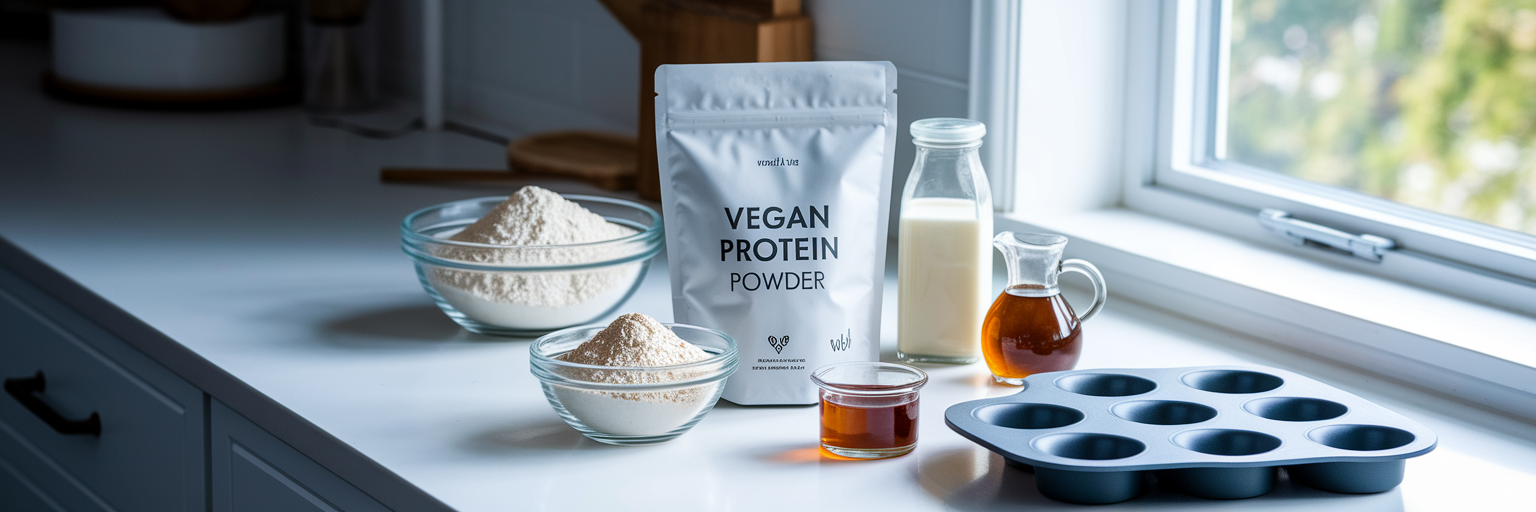
The secret to incredible high-protein vegan donuts isn't just in the method, it's in the ingredients you choose. Each component plays a specific role in creating that perfect texture and flavor. Let's break down what you need to build a better donut from the ground up.
The Foundation: High-Quality Vegan Protein Powder
Not all protein powders are created equal, especially when it comes to baking. For a smooth, non-gritty texture, a finely milled, high-quality vegan protein isolate is essential. It mixes seamlessly into batter, avoiding the chalkiness that can ruin a good baked good. As noted by The Conscious Plant Kitchen, choosing a high-quality, well-flavored vegan protein powder is one of the most critical steps for delicious results. A smooth, non-chalky powder like our Chocolate Vegan Protein is designed to blend seamlessly into recipes, providing 25g of complete protein per serving. Versatile flavors like vanilla or chocolate work beautifully as a base.
The Base: Flour Options for the Perfect Crumb
The flour you select will define the donut's final crumb and texture. Different flours offer unique benefits, so you can choose one that aligns with your dietary preferences. Here’s a quick comparison to help you decide:
| Flour Type | Resulting Texture | Key Benefit |
|---|---|---|
| Oat Flour | Soft, slightly dense, and moist | High in fiber, easy to make at home |
| Almond Flour | Tender, cake-like, and rich | Low-carb, gluten-free, adds healthy fats |
| 1-to-1 Gluten-Free Blend | Light, fluffy, and reliable | Designed for easy substitution in baking |
Note: This table compares common flours used in healthy baking. The choice depends on your dietary goals—almond flour for low-carb diets, oat flour for fiber, and a GF blend for a classic texture.
The Moisture: Binders and Natural Sweeteners
To keep your donuts moist and well-structured, the right wet ingredients are key. Unsweetened applesauce or a thick plant-based yogurt are fantastic egg replacers, adding moisture and acting as a binder. For sweetness, natural options like maple syrup or a monk fruit blend work well. Just remember that liquid sweeteners like maple syrup will add more moisture to the batter, while granulated ones will not.
A Step-by-Step Guide to Baking Protein Donuts
Now that you understand the building blocks, let's get to the fun part. This simple guide will show you how to make protein donuts that are fluffy, delicious, and packed with goodness. Follow these steps for foolproof results every time.
- Prep Your Station: First things first, preheat your oven to 350°F (175°C). Lightly grease a donut pan with coconut oil or a non-stick spray. Getting everything ready beforehand makes the process smooth and stress-free.
- Mix the Dry Ingredients: In a large bowl, add your flour, Beyond Good Foods protein powder, sweetener, baking powder, and a pinch of salt. Whisk them together thoroughly. This step is more important than it seems, as it ensures the leavening agent is evenly distributed for a consistent rise.
- Combine the Wet Ingredients: In a separate, smaller bowl, mix your unsweetened applesauce or plant-based yogurt, plant-based milk, and any liquid flavorings like vanilla extract. Mixing these separately helps prevent overworking the batter later on.
- Gently Combine: Pour the wet mixture into the dry ingredients. Mix with a spatula until they are *just* combined. A few small lumps are perfectly fine! This gentle mixing technique is a secret to tender baked goods, a point emphasized by baking experts at Mary's Test Kitchen, who advise against overworking the batter to avoid a gummy texture.
- Fill and Bake: Transfer the batter into a piping bag or a zip-top bag with the corner snipped off. This makes filling the donut pan clean and easy. Pipe the batter into each cavity, filling it about three-quarters full. Bake for 12-15 minutes, or until a toothpick inserted into the center comes out clean. Let them cool in the pan for a few minutes before transferring to a wire rack.
Once you've mastered these donuts, you'll be ready to try other delicious treats from our collection of easy vegan protein recipes. Happy baking!
Secrets to a Perfectly Fluffy Texture

You've followed the recipe, but what are the little secrets that take your baked vegan donuts from good to great? Understanding the science behind the steps can make all the difference. Here are a few pro tips to ensure a light and airy result every time.
- The "Don't Over-mix" Rule: We mentioned this in the steps, but it’s worth repeating. When you over-mix a batter containing protein powder, the protein can absorb too much liquid and develop gluten-like strands, resulting in a dense or rubbery texture. Mix just until the flour disappears.
- The Power of Leavening: Always use fresh baking powder. Old or expired baking powder loses its potency and won't create the necessary carbon dioxide bubbles that give your donuts a light, airy crumb. Check the expiration date!
- The Moisture Balance: Protein powder is like a sponge; it loves to soak up liquid. If your batter seems excessively thick or stiff, don't be afraid to add a little more plant-based milk, one tablespoon at a time, until it reaches a thick but pipeable consistency. Understanding how different powders behave is key, and you can learn more about what makes the best protein powders for various uses.
- The Benefit of Resting: If you have a few extra minutes, let your batter rest in the bowl for 5-10 minutes before piping it into the pan. This allows the flour and protein powder to fully hydrate, which can lead to a more tender and evenly baked donut.
Creative and Healthy Topping Ideas
A donut isn't complete without a great topping! This is where you can get creative and personalize your healthy donut recipe. Instead of sugary glazes, try these nutritious and delicious ideas.
For a simple protein glaze, whisk together a scoop of vanilla or chocolate protein powder, a tablespoon or two of plant-based milk, and a powdered sweetener to taste. Adjust the milk until you reach your desired consistency.
Here are a few other fun ideas:
- Whole-Food Drizzles: Gently warm some almond butter or peanut butter until it's easy to drizzle. A dollop of thick coconut yogurt also makes a great tangy topping.
- Flavor and Crunch: Sprinkle your donuts with toasted coconut flakes, cacao nibs for a chocolatey crunch, or crushed freeze-dried raspberries for a pop of color and tartness.
- Classic Comfort: For a cinnamon-sugar style coating, mix a little coconut sugar with cinnamon and lightly press the top of the warm donut into the mixture.
For even more variety, The Conscious Plant Kitchen suggests trying a rich cashew or coconut frosting to complement your donuts. Feel free to get creative with different flavors by exploring all our plant-based products.
Storing Your Homemade Protein Donuts
You’ve baked a beautiful batch of baked vegan donuts, so let's make sure they stay fresh. Proper storage is simple and helps preserve their texture and flavor.
- Short-Term Storage: Store your donuts in an airtight container at room temperature for up to two days. If you live in a warm climate, you can keep them in the fridge for up to five days, but they are best enjoyed at room temperature.
- Pro Tip: To prevent sogginess, always store the donuts plain. Add your glaze, frosting, or toppings just before you plan to serve them.
- Long-Term Storage: For longer storage, you can freeze the plain donuts. Place them in a single layer on a baking sheet until firm, then transfer them to a freezer-safe bag or container. They will keep for up to three months. Just thaw at room temperature when you're ready for a treat.
For more tips, recipes, and answers to your questions, head over to our blog.