
Why Add Protein to Your Morning Bagel?
We all know that feeling. You grab a plain bagel on your way out the door, and by 10 AM, you’re already watching the clock, feeling that familiar energy crash. A breakfast heavy on simple carbs can leave you feeling hungry and unfocused. But what if your favorite morning comfort food could power you through until lunch? Adding vegan protein powder to your bagels transforms them from a quick bite into a genuinely satisfying meal.
This isn't about restriction. It's about making your food work harder for you. Here’s why it’s such a smart move:
- Sustained Energy and Satiety: Protein slows down digestion, which helps stabilize your blood sugar. That means you stay full and focused for hours, making it easier to sidestep those mid-morning cravings and support your weight management goals without feeling deprived.
- Muscle Repair and Growth: For anyone with an active lifestyle, a protein-rich breakfast is a must. It delivers the essential amino acids your muscles need to repair and grow, especially after a morning workout. This makes these bagels one of the best healthy vegan breakfast ideas you can have.
- A Convenient and Tasty Upgrade: Let’s be honest, sometimes another protein shake just doesn’t cut it. Baking protein into a warm, chewy bagel is a far more enjoyable way to hit your daily goals. It turns a simple food into a functional powerhouse.
- The Plant-Based Advantage: It’s a fantastic way to diversify your protein intake beyond shakes, much like these other easy vegan protein recipes you'll actually crave. This simple recipe helps you easily meet your macros while enjoying a classic favorite.
Choosing the Right Vegan Protein for Baking
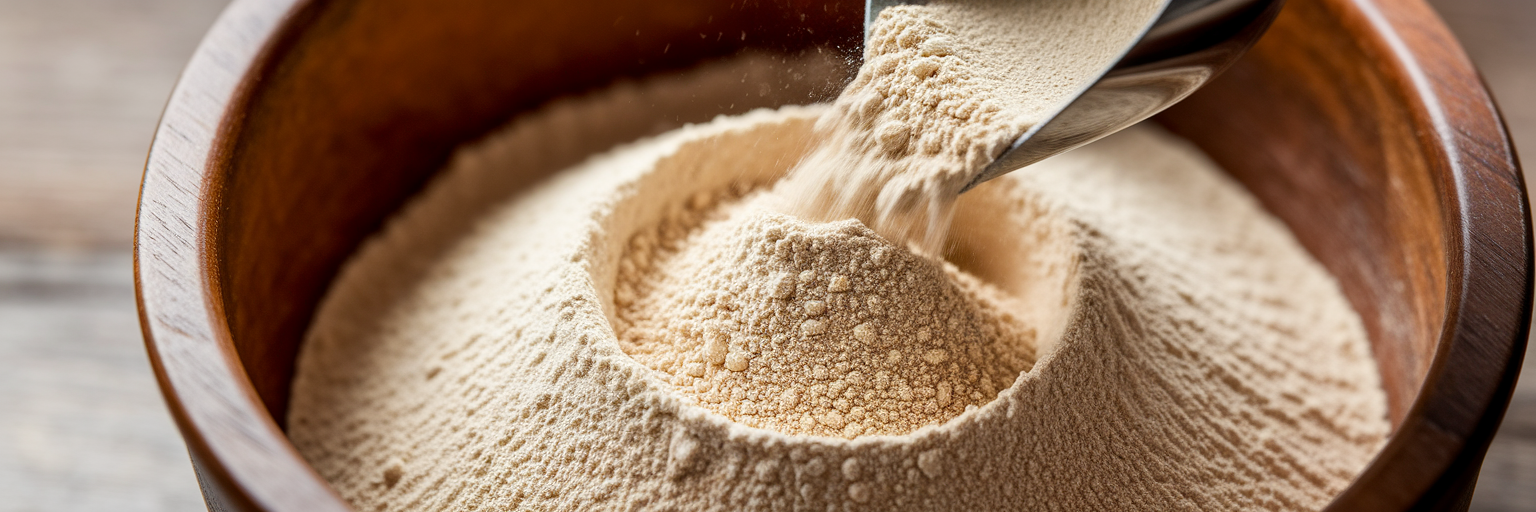
Not all protein powders are created equal, especially when it comes to baking. The wrong choice can leave you with a bagel that’s gritty, dense, or has a strange aftertaste. To get that perfect bakery-style result, you need to be selective. The goal is to find a vegan protein powder for baking that disappears into the dough, leaving only its benefits behind.
Here’s what to look for:
- Flavor Profile: Stick with an unflavored or a subtly sweet vanilla protein. A powder with a strong, artificial flavor will overpower the simple, satisfying taste of a bagel and clash with your favorite savory toppings. You want the protein to enhance, not dominate.
- Texture and Milling: This is critical. A finely milled protein isolate will mix seamlessly into the flour, creating a smooth dough. Coarser powders, on the other hand, never fully dissolve and result in that dreaded gritty texture. A smooth blend is a sign of a quality product.
- Ingredient Purity: Always check the label. Powders loaded with gums, fillers, or artificial sweeteners can interfere with the dough's chemistry. They can prevent it from rising properly and create a dense, gummy texture. A clean, minimal-ingredient protein is your best bet.
- Protein's Effect on Dough: Remember that protein powder is very absorbent, like a sponge. This isn't a problem, just something to plan for. Your dough will need a bit more moisture than a standard recipe, so don't be surprised when you need to add more yogurt or a splash of water to get the right consistency.
If you want to understand more about what makes for the best protein powders for all your fitness and wellness needs, our detailed guide can help.
| Protein Type | Flavor Impact | Texture in Dough | Pro Tip |
|---|---|---|---|
| Pea Protein Isolate | Neutral, slightly earthy | Smooth, integrates well | Excellent all-rounder for a clean taste. |
| Soy Protein Isolate | Very neutral | Very smooth, can make dough slightly sticky | Great for texture, but may require a little extra flour. |
| Brown Rice Protein | Slightly grainy, distinct taste | Can be gritty if not finely milled | Best used in a blend to balance its texture. |
| Plant-Based Blend (Pea, Pumpkin, etc.) | Balanced and mild | Often designed for smooth mixing | A quality blend like our Beyond Good Foods protein is formulated to avoid chalkiness. |
A Simple Recipe for High-Protein Vegan Bagels
Ready to learn how to make protein bagels? This high protein vegan bagel recipe is surprisingly simple and doesn't require any yeast or complicated steps. This quick approach, inspired by recipes like the one from 2sharemyjoy.com, gets fresh bagels on your table in under 30 minutes. It’s perfect for a weekend brunch or meal-prepping for the week ahead.
Ingredients:
- 1 cup all-purpose flour (plus more for dusting)
- 1/2 cup Unflavored or Vanilla Vegan Protein Powder (our Beyond Good Foods powder works perfectly)
- 2 tsp baking powder
- 1/2 tsp salt
- 1 cup plain, unsweetened dairy-free yogurt (a thick, Greek-style works best)
- Optional: 1 tbsp plant milk for brushing
- Optional: Everything bagel seasoning, sesame seeds, or poppy seeds for topping
Instructions:
- Combine Dry Ingredients: In a large bowl, whisk together the flour, protein powder, baking powder, and salt. This is a key step to prevent clumps and ensure the protein is evenly distributed for a smooth texture.
- Form the Dough: Add the dairy-free yogurt to the dry ingredients and mix with a spatula until a shaggy dough forms. Turn the dough out onto a lightly floured surface and knead for just 1-2 minutes until it comes together. If the dough feels too sticky, add flour one tablespoon at a time. If it seems too dry, a splash of water will help.
- Shape the Bagels: Divide the dough into 4 equal pieces. Roll each piece into a rope about 1 inch thick. Pinch the ends together firmly to create a classic bagel shape.
- Season and Bake: Preheat your oven to 375°F (190°C). Place the bagels on a baking sheet lined with parchment paper. For a golden-brown finish, lightly brush the tops with plant milk and sprinkle with your favorite toppings. Bake for 15-20 minutes, or until golden and cooked through.
Mastering Perfect Bagel Texture and Flavor
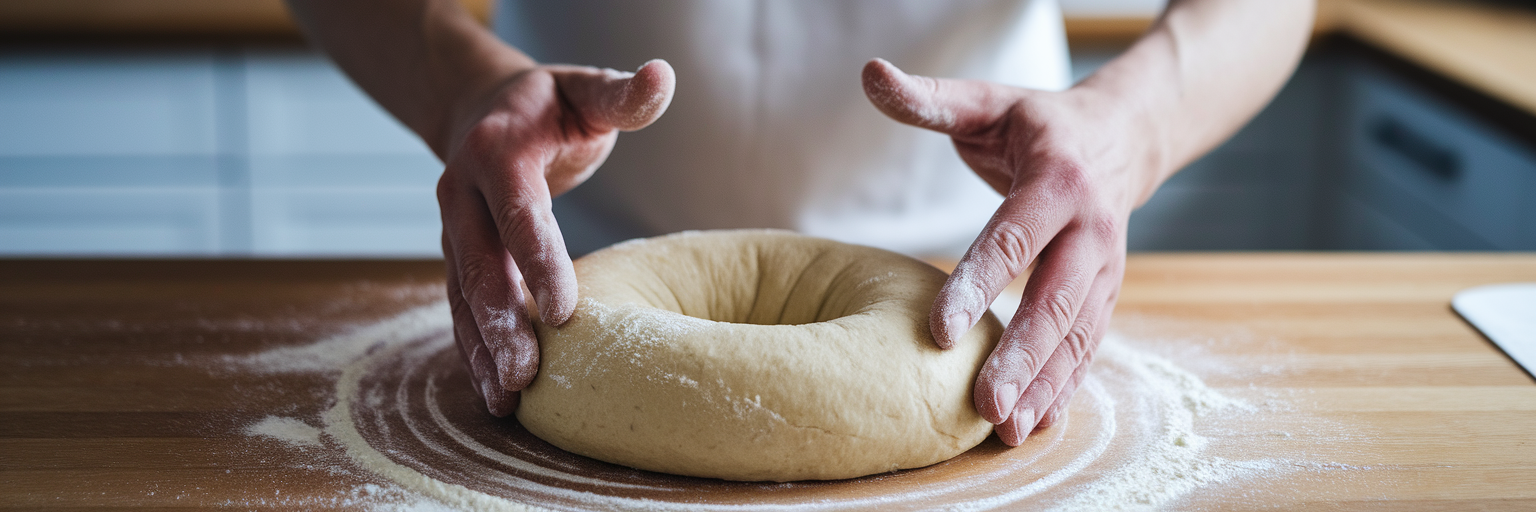
Now that you have the recipe, let's talk about the small details that make a big difference. Achieving that perfect chewy-on-the-inside, crisp-on-the-outside texture is all about technique. This isn't just about following steps; it's about understanding why they work.
Here are a few tips to get bakery-quality results:
- The Risk of Over-Mixing: It’s tempting to knead the dough until it’s perfectly smooth, but resist the urge. This is a quick bread, not a traditional yeast dough. Over-kneading develops too much gluten, which will make your bagels tough instead of chewy. Just 1-2 minutes is all you need.
- The Magic of Dairy-Free Yogurt: A thick, Greek-style dairy-free yogurt is the secret weapon here. It provides the necessary moisture to balance the absorbent protein powder, and its acidity reacts with the baking powder to give the bagels lift and a subtle tang that mimics traditional flavor.
- Getting the Dough Consistency Just Right: Trust your hands. The ideal dough should be soft and pliable, not overly sticky or dry and crumbly. Don't be afraid to adjust as you go. A little extra flour can tame stickiness, while a splash of water can bring a dry dough together.
- Optional Pro-Tip for a Chewier Crust: If you’re a true bagel aficionado, try this traditional step. Before baking, boil the shaped bagels in a pot of water for 30-60 seconds per side. This process gelatinizes the starches on the crust, creating that authentic, satisfying chew. Some bakers even add vital wheat gluten for extra chewiness, a technique noted by Plantifully Based in their high-protein bagel recipe, to enhance the structure.
For more plant-based cooking tips and other plant based protein recipes, be sure to explore our blog.
Power-Packed Toppings and Spreads
A great bagel is a canvas for delicious, nutritious toppings. This is where you can turn your high-protein bagel from a snack into a complete, satisfying meal. Think beyond plain vegan cream cheese and get creative with whole-food, plant-based options that add flavor, texture, and even more nutrients.
Here are a few ideas to get you started:
- Savory & Satisfying: Spread on a thick layer of creamy hummus and top with roasted chickpeas and a sprinkle of paprika. Or, mash half an avocado on your bagel and finish with hemp seeds, red pepper flakes, and a squeeze of lime. A savory tofu scramble also makes a fantastic open-faced sandwich.
- Sweet & Energizing: For a sweet treat, spread on natural almond butter and top with banana slices and a dash of cinnamon. Another great option is a homemade chia seed jam, which adds fiber and healthy omega-3s.
- The Ultimate Bagel Sandwich: Build a substantial meal by layering your bagel with smoked tempeh, crisp lettuce, and fresh tomato for a protein-packed 'TLT' (Tempeh, Lettuce, Tomato). As The Veg Space suggests, a Mediterranean-style bagel with hummus, tomatoes, and olives is another delicious option.
We’d love to see what you create! Share your bagel masterpieces on social media and tag us. There’s nothing more inspiring than seeing our community get creative in the kitchen.
Storing and Enjoying Your Homemade Bagels
You’ve baked a beautiful batch of protein bagels, so let’s make sure you can enjoy them at their best. Proper storage is key to preserving their freshness and texture.
First, let the bagels cool completely on a wire rack. Storing them while warm will create steam and make them soggy. For short-term storage, place them in an airtight container at room temperature. They’ll stay fresh for 2-3 days, though the high protein content can make them dry out a bit faster than regular bagels.
For longer storage, freezing is your best friend. We recommend slicing them in half before freezing. That way, you can grab a half and pop it directly into the toaster for a quick and easy meal. Toasting is the best way to reheat them, as it restores the warm, soft interior and gives the crust a satisfying crispness.
Ready to start baking? Explore our full range of clean, plant-based proteins and supplements to fuel your wellness journey.