
The Goal: Weight Loss Without Muscle Loss
We’ve all been there. You start a new diet, the number on the scale goes down, but you feel weaker. That’s often a sign you’re losing valuable muscle along with fat. The most effective path to a leaner, stronger body is to focus on targeted fat loss while preserving the muscle you’ve worked hard to build. This is a smarter approach to transforming your physique.
There’s a common myth that it’s difficult to lose fat not muscle vegan, especially when cutting calories. But that’s an outdated idea. High-quality vegan protein powder is an incredibly efficient tool for anyone, not just elite athletes, looking to manage their weight effectively. It provides the essential building blocks your body needs to hold onto muscle while you shed unwanted fat. Before we get into the specifics, it's helpful to understand the broader principles of plant-based nutrition for fitness, which you can explore in more detail on our blog.
How Protein Powers Your Weight Loss Journey
So, how exactly does protein help you lose weight? It works in two powerful ways that make sticking to your goals much easier. First is something called the Thermic Effect of Food (TEF). Think of it like a metabolic workout for your digestive system. Your body actually burns more calories digesting protein than it does digesting fats or carbohydrates. It’s a small but consistent advantage that adds up over time.
The second, and perhaps more noticeable, benefit is satiety. Protein is the secret weapon against mindless snacking and late-night cravings. A protein-rich meal or shake helps you feel fuller for longer, which is a huge advantage when you’re in a calorie deficit. This feeling of satisfaction makes it easier to resist unhealthy temptations and stay on track. As highlighted by wellness experts at Forks Over Knives, incorporating adequate protein is a key strategy for managing hunger. This is where a high-quality vegan protein powder for satiety becomes invaluable, helping you feel satisfied without adding a lot of extra calories.
It’s important to remember that protein isn’t a magic pill. It’s a strategic tool that makes a calorie deficit more manageable and sustainable. By keeping you full and slightly boosting your metabolism, it supports your efforts without making you feel deprived.
Calculating Your Plant-Based Protein Needs
Now for the practical part. To protect your muscle while losing fat, you need to know how much protein your body requires. A general guideline for active individuals is to consume between 0.8 to 1.6 grams of protein per kilogram of body weight. As research from Houston Methodist suggests, when you're in a calorie deficit, aiming for the higher end of this range is crucial for what’s called a "muscle-sparing" effect. Essentially, when your body is low on calories for energy, sufficient protein intake tells it to burn fat stores instead of breaking down precious muscle tissue.
Let’s make that tangible. For a 150-pound person (about 68 kg), the calculation looks like this:
68 kg x 1.6 g/kg = 109 grams of protein per day.
Hitting this target with whole foods alone can be challenging, especially when you’re also trying to limit carbs and fats. This is where a clean, plant based protein for cutting comes in. A scoop of vegan protein powder can provide 25 grams of high-quality protein with minimal carbs and fats, making it a perfect supplement to help you meet your daily goals. You can explore our full range of plant-based supplements to find the right fit for your routine.
Sample Daily Protein Targets for Fat Loss
| Body Weight | Activity Level | Recommended Daily Protein (grams) |
|---|---|---|
| 130 lbs (59 kg) | Lightly Active | 70-94 g |
| 150 lbs (68 kg) | Moderately Active | 92-109 g |
| 170 lbs (77 kg) | Very Active | 110-123 g |
| 190 lbs (86 kg) | Very Active | 123-138 g |
Note: These are estimates for individuals in a calorie deficit aiming to preserve muscle. 'Moderately Active' typically means strength training 3-4 times per week. Adjust based on your specific goals and consult a professional if needed.
Pairing Protein with Effective Strength Training
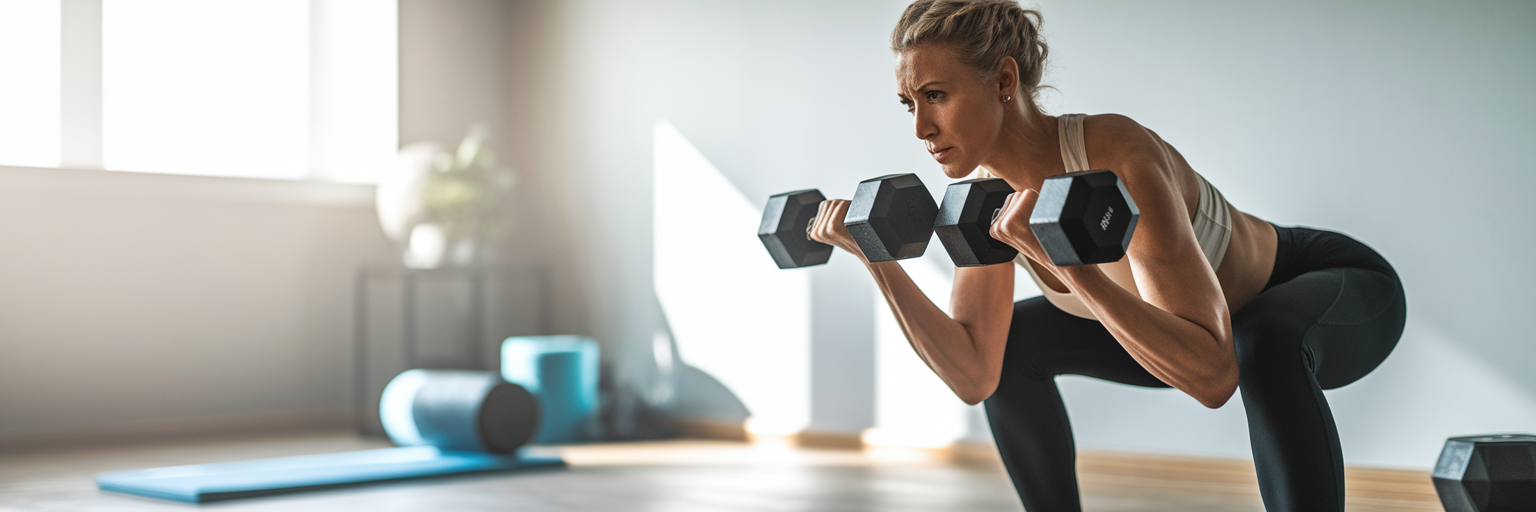
Nutrition is only half of the equation. To truly protect your muscles during weight loss, you have to follow the "use it or lose it" principle. Strength training sends a powerful signal to your body to repair and maintain muscle tissue, even when you’re consuming fewer calories. As Harvard Health points out, resistance training is essential for muscle preservation as we manage our weight.
Focus on compound movements that engage multiple muscle groups at once. They deliver the most benefit for your time and effort. Here are a few essentials to include in your routine:
- Squats: Engages your entire lower body and core.
- Lunges: Excellent for building leg strength and stability.
- Push-ups: A classic for chest, shoulders, and triceps.
- Rows: Crucial for a strong back and good posture.
- Deadlifts: The ultimate full-body movement for strength and muscle retention.
While the idea of a rigid 30-minute "anabolic window" has been largely debunked, having a protein shake post-workout is still a simple and effective way to kickstart recovery. More importantly, focus on distributing your protein intake evenly throughout the day to provide your muscles with a steady supply of amino acids. For an extra edge in strength and performance, you might also consider adding a clean supplement like our pure creatine monohydrate to your regimen.
What to Look for in a Vegan Protein Powder
Not all protein powders are created equal. To get the best results, you need to become a bit of a label detective. First, look for a "complete protein," which means it contains all nine essential amino acids your body needs for muscle repair. High-quality blends of pea and brown rice protein, for example, create a full amino acid profile. A study published in the National Center for Biotechnology Information highlights how combining different plant sources can optimize this profile.
Next, check the ingredient list. The shorter, the better. Avoid powders loaded with sugar, artificial fillers, or gums. The best way to take vegan protein is to choose one that is clean and simple. Finally, let’s address the old stereotype of gritty, chalky vegan proteins. Modern formulas have come a long way. A great powder should have a smooth texture and delicious, natural flavor that you actually enjoy drinking. For instance, our chocolate vegan protein is designed to be both effective and enjoyable, making it easy to stick with your routine.
Simple Ways to Add Vegan Protein to Your Diet
Knowing how to use vegan protein for weight loss creatively can make all the difference. While a post-workout shake is great, there are so many other ways to incorporate it into your day. Try mixing a scoop into your morning oatmeal, a bowl of plant-based yogurt, or even your pancake batter for a protein-packed breakfast that will keep you full for hours.
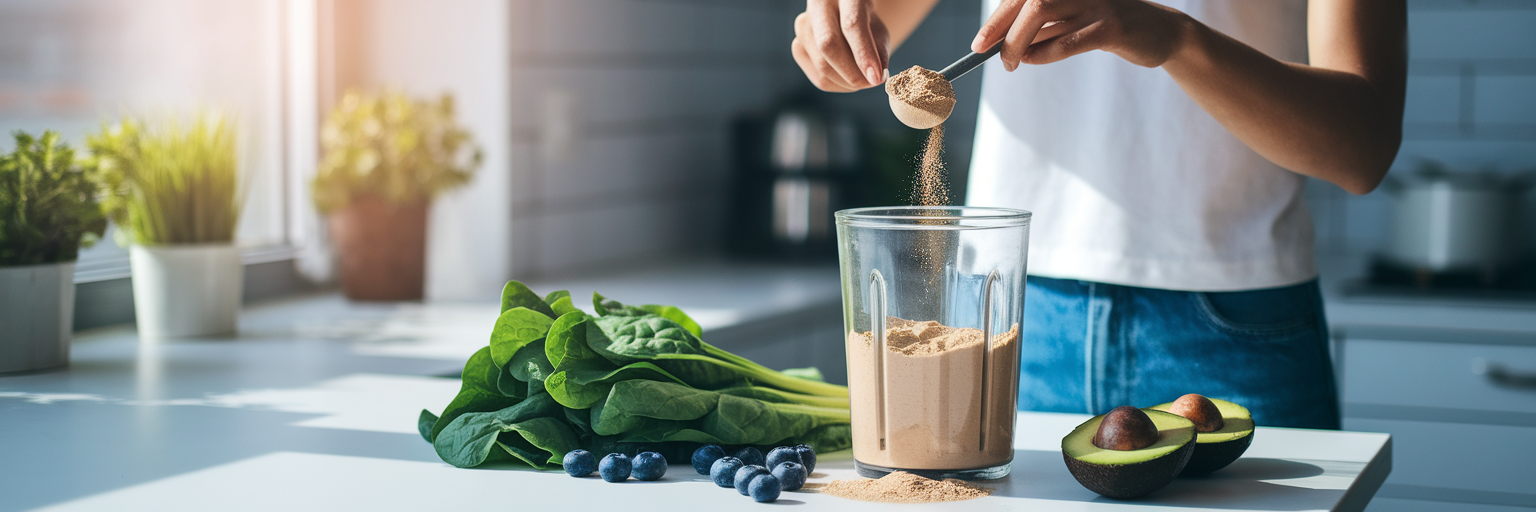
Smoothies are another fantastic and customizable option. Here’s a simple formula to get you started:
- Start with 1 scoop of Beyond Good Foods vegan protein powder.
- Add a large handful of leafy greens, like spinach.
- Toss in 1/2 cup of low-sugar fruit, such as mixed berries.
- Include 1 tablespoon of healthy fat, like chia seeds or almond butter.
- Blend with 8-10 oz of water or unsweetened plant-based milk.
For a quick snack to beat midday hunger, try making no-bake protein balls. Just mix protein powder with oat flour, a little nut butter, and a splash of plant milk. These simple additions make it easy and delicious to hit your protein goals every single day. For more inspiration, check out these three easy vegan protein recipes you’ll actually crave.