

The Intense Recovery Demands of a CrossFit Athlete
There’s a unique feeling after a really tough Workout of the Day (WOD). It’s that satisfying ache that tells you you’ve pushed your limits through a demanding mix of Olympic lifts, gymnastics, and high-intensity intervals. That feeling is a badge of honor, but it’s also a signal from your body that the work has just begun. True progress in CrossFit isn’t just made during the workout; it’s built in the hours and days that follow.
Every intense session creates tiny micro-tears in your muscle fibers. This isn’t a bad thing—it’s the necessary trigger for your muscles to adapt, rebuild, and come back stronger. However, this rebuilding process requires the right raw materials. Without them, your body can enter a state of Muscle Protein Breakdown (MPB), where muscle tissue breaks down faster than it can be repaired. When that happens, you feel it as stalled progress, lingering soreness, and a frustrating performance plateau.
This is why so many athletes turn to CrossFit recovery supplements. It’s not about finding a magic bullet, but about providing your body with a strategic and efficient fuel source to tip the scales in favor of repair and growth. Your recovery strategy needs to be as intentional as your training, and it all starts with understanding what your muscles are asking for.
How Protein Powers Muscle Repair and Growth

To understand recovery, think of your muscles as a brick wall that gets slightly damaged during every workout. Protein acts as the new bricks, and the amino acids within that protein are the mortar holding everything together. After a WOD, your body kicks off a process called Muscle Protein Synthesis (MPS), which is essentially the construction crew arriving on-site to repair the wall and make it even stronger than before.
Your goal as an athlete is to keep this construction crew working efficiently. Muscle growth happens when the rate of MPS is greater than the rate of Muscle Protein Breakdown (MPB), creating what’s known as a positive protein balance. Without enough protein, the crew doesn't have enough bricks, and the wall can't be properly repaired, let alone reinforced.
The most critical components for this job are the nine essential amino acids (EAAs). Your body can't produce these on its own, so they must come from your diet. They are the non-negotiable triggers that signal your body to start the rebuilding process. As research from the Journal of the International Society of Sports Nutrition highlights, athletes consume dietary protein specifically to repair and rebuild skeletal muscle after intense training. This makes high-quality protein an indispensable tool, and effective plant based protein for muscle repair is an excellent way to supply your body with exactly what it needs.
The Plant-Based Advantage for High-Intensity Training
For a long time, athletes questioned whether plant-based proteins could stand up to the demands of intense training. Let’s clear that up: absolutely. Modern formulas of vegan protein for athletes are intelligently designed, often blending complementary sources like pea and brown rice protein. This combination creates a complete amino acid profile, providing all the EAAs needed to effectively stimulate muscle protein synthesis.
But the benefits don't stop at muscle repair. Many athletes who make the switch notice a significant difference in how they feel. Plant-based proteins are often much easier to digest, meaning you can say goodbye to the bloating or stomach discomfort that can sometimes accompany dairy-based proteins. For an athlete training multiple times a week, feeling light and comfortable is a huge advantage.
Furthermore, plant-based diets are rich in anti-inflammatory compounds. While some inflammation is a normal part of the exercise response, chronic inflammation can hinder recovery. The phytonutrients found in plant sources can help your body manage this response, potentially reducing soreness and helping you get back to your next WOD feeling ready. A well-formulated chocolate vegan protein, for instance, can deliver all the necessary amino acids for recovery without compromising on taste or digestive comfort. As the Mayo Clinic points out, eating a variety of plant-based foods is a powerful strategy for ensuring you get all the protein and nutrients you need to thrive.
| Factor | Vegan Protein Blend (Pea/Rice) | Whey Protein |
|---|---|---|
| Digestibility | Generally easier on the stomach, less bloating | Can cause digestive issues for those with lactose sensitivity |
| Allergen Profile | Free from common allergens like dairy and soy (depending on blend) | Contains dairy, a common allergen |
| Nutrient Density | Often contains additional fiber and micronutrients from plant sources | Primarily focused on protein content |
| Inflammatory Response | Plant compounds can have anti-inflammatory properties | Dairy can be pro-inflammatory for some individuals |
This table compares key factors beyond just protein content. It highlights how a vegan protein blend can offer unique advantages in digestibility and overall wellness for high-intensity athletes.
Your Guide to Using Vegan Protein for CrossFit Recovery
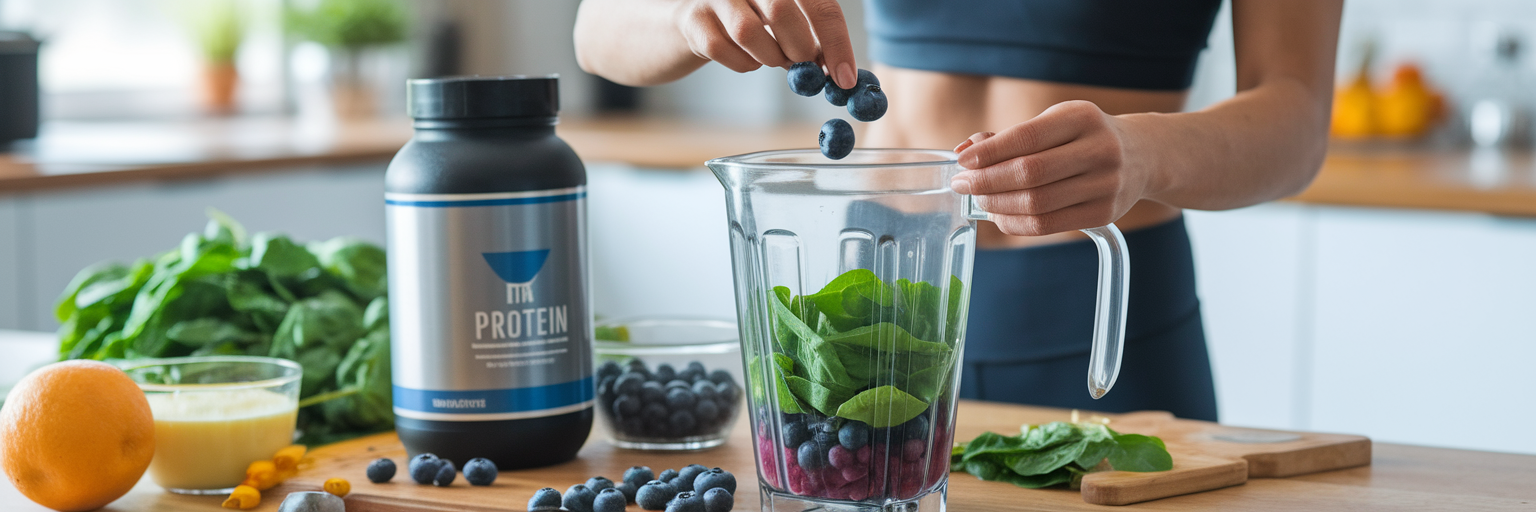
Knowing you need protein is one thing; knowing how to use it effectively is another. Let’s break down some simple, actionable CrossFit nutrition tips to help you get the most out of your protein supplement.
- Get the Quantity Right: For active athletes, a good target is 1.2 to 1.7 grams of protein per kilogram of body weight each day. To figure this out, just divide your weight in pounds by 2.2 to get your weight in kilograms, then multiply that number by 1.5 for a solid middle-ground estimate. For a 150 lb (68 kg) athlete, that’s about 102 grams of protein daily.
- Rethink the "Anabolic Window": Have you ever rushed to chug a protein shake within 30 minutes of your last rep? The good news is you can relax a little. While it’s great to get protein within a few hours post-WOD, modern research shows that your total daily protein intake is far more important than precise timing. The key is consistency.
- Spread It Out: Instead of trying to consume all your protein in one or two large meals, aim for 20-30 grams of protein every 3-4 hours. This approach provides your muscles with a steady stream of amino acids throughout the day, keeping that muscle-building "construction crew" continuously supplied with materials.
- Think Beyond the Shake: A protein shake is convenient, but it’s not your only option. Mixing a scoop of vegan protein powder into your morning oatmeal, a smoothie with fruit and greens, or even plant-based yogurt can be a delicious way to boost your intake. If you need some inspiration, you can explore some of our favorite easy vegan protein recipes you'll actually crave.
By following these guidelines on how to use protein for recovery, you can create a simple and sustainable routine that supports your hard work in the gym.
How to Select a High-Quality Vegan Protein Powder
The market is full of options, so how do you choose the best vegan protein powder US brands have to offer? Being a smart shopper comes down to knowing what to look for on the label. Here are a few key things to prioritize:
- Clean Ingredient Labels: Your protein powder shouldn't have a laundry list of ingredients you can't pronounce. Look for short, understandable lists that are free from artificial sweeteners, fillers, and gums. Your fuel should be clean and purposeful.
- Protein Source and Dose: A multi-source blend, like pea and rice protein, is a great sign because it ensures a complete amino acid profile. Aim for a powder that provides around 25 grams of complete protein per serving to effectively trigger muscle repair.
- Third-Party Testing: This is a big one. Independent, third-party testing confirms that what’s on the label is actually in the tub. As noted by experts at WODprep, athletes should look for products with clear labels and testing to avoid hidden ingredients. This gives you peace of mind that your supplement is both safe and effective.
- Great Texture and Flavor: Let’s be honest—if you don’t enjoy it, you won’t stick with it. Early vegan proteins had a reputation for being gritty, but modern formulas are designed for a smooth, creamy texture and are naturally flavored, making your daily protein a treat, not a chore.
Finding a protein that checks all these boxes ensures you’re investing in your health, not just buying a supplement. To see what a clean, high-quality formula looks like, you can explore our collection of premium vegan supplements.
A Complete Strategy for Post-WOD Recovery

While protein is a star player in your recovery game, it works best as part of a team. To truly optimize your body’s ability to repair and adapt, it’s important to look at the bigger picture.
Carbohydrates are essential for replenishing the muscle glycogen you burned during your WOD, giving you the energy for your next session. Proper hydration is critical for countless metabolic functions, including nutrient transport. And never underestimate the power of quality sleep, which is when your body does some of its most important repair work and hormone regulation.
Remember, supplements are designed to *supplement* a solid foundation of whole foods, consistent training, and restorative rest. By pairing a high-quality vegan protein with these healthy habits, you create a powerful, holistic system for recovery. Listen to your body, fuel it with clean, effective nutrition, and watch your performance reach new heights. To build a truly bulletproof recovery plan, continue exploring topics on our blog that dive deeper into nutrition and performance.