

Fueling the Engine: Why Recovery is Everything in Rowing
Anyone who has ever stared down the lane at a 2,000-meter race knows the feeling. It’s an all-out effort that pushes your body to its absolute metabolic limit. But the race itself is only half the battle. What you do after you cross the finish line determines how you show up for the next practice. Recovery isn't just about resting. It's an active and essential part of any serious rowing nutrition plan.
Think of it as three core pillars that support your performance. First, you need to Refuel with carbohydrates to restock your energy stores. Next, you must Rehydrate with fluids and electrolytes lost through sweat. And finally, you have to Rebuild your muscles with protein. This last pillar is where so many athletes miss a huge opportunity to get stronger, faster, and more resilient.
The Science of Muscle Repair After a 2,000-Meter Piece

That burning sensation in your quads, lats, and core after a hard piece isn't just fatigue. It's the result of microscopic tears in your muscle fibers. Research published by the National Center for Biotechnology Information (NCBI) highlights that the repetitive, high-intensity contractions in rowing cause this exact type of muscle damage. This is where protein steps in. It provides the essential building blocks, called amino acids, that your body uses to repair those tears.
This repair process is known as Muscle Protein Synthesis (MPS). You can think of it as a construction crew that gets to work rebuilding your muscles, making them stronger than before. Consuming protein after a workout is what "switches on" this crew. When MPS is efficient, you experience less muscle soreness and can return to your next session with greater strength. This is why high-quality muscle recovery supplements are so critical. They provide a concentrated, easily digestible source of protein to kickstart that rebuilding process right when your body needs it most. When you're looking for the right fuel, it helps to understand what makes for some of the best protein powders for your specific goals.
Can Plant Protein Meet a Rower's Demands?
So, can a plant-based protein really deliver the power an elite rower needs? It’s a fair question. For years, athletes were told that only animal-based proteins could effectively build muscle. We now know that’s simply not the case. The key isn't the source of the protein, but its amino acid profile. A high-quality vegan protein for athletes is typically made from a blend of sources, like pea and rice protein. This combination creates a complete protein, providing all the essential amino acids your body needs for repair.
One of these amino acids, leucine, is particularly important as it acts as the primary trigger for Muscle Protein Synthesis. While some individual plant sources might be lower in leucine than whey, the best plant based protein powder formulas are designed to deliver an optimal dose to kickstart recovery. In fact, as reported by The Conversation, studies confirm that when total protein and leucine intake are matched, plant-based proteins support muscle growth just as effectively as whey, but without the dairy or potential digestive issues.
| Factor | Blended Vegan Protein (Pea/Rice) | Whey Protein |
|---|---|---|
| Amino Acid Profile | Complete when blended | Complete |
| Leucine Content | High (often fortified to match whey) | Naturally very high |
| Digestibility | Generally high, free of lactose | Can cause issues for lactose-intolerant individuals |
| Allergens | Free from dairy, soy (depending on blend) | Contains dairy |
| Sustainability | Lower environmental footprint | Higher environmental footprint |
This table compares key attributes of blended vegan protein and whey protein. The data illustrates that while both are effective for muscle repair, vegan protein offers a comparable amino acid profile with benefits related to digestibility and sustainability, making it an excellent choice for modern athletes.
Crafting the Perfect Post-Row Recovery Shake

Moving from theory to practice is simple. Your post workout recovery shake is your first line of defense against muscle soreness and fatigue. Building the perfect one is about combining the right ingredients at the right time to create a ritual you actually look forward to.
The Protein and Carb Foundation
Your muscles are hungry for two things after a workout: protein to rebuild and carbohydrates to refuel. Aim for 25-30 grams of protein to initiate muscle repair and 30-60 grams of fast-digesting carbs to replenish your glycogen stores. A simple combination like a scoop of protein powder with a banana or a handful of dates in your shaker bottle is a perfect start.
Flavor, Texture, and Consistency
Let's be honest, no one wants to choke down a chalky, gritty shake. The experience matters. A premium clean protein powder US brands offer is formulated for a smooth, pleasant texture that mixes easily. Start with a high-quality base, like a scoop of our Chocolate Vegan Protein, and blend it with your favorite plant-based milk. Adding frozen berries or a spoonful of cocoa powder can make it even more delicious. For more inspiration, check out these easy vegan protein recipes we've put together.
Adding a Performance Boost with Creatine
For rowers looking to maximize their power output on the water, adding creatine can be a smart move. A simple 5-gram serving of creatine monohydrate in your daily recovery shake has been shown to support strength and power gains over time. For those looking to maximize power, understanding the creatine benefits for athletes is key.
The Overlooked Pillar: Hydration and Electrolytes
You can have the perfect nutrition plan, but if you're dehydrated, your recovery will suffer. Rowers can lose a surprising amount of fluid through sweat, along with crucial electrolytes like sodium and potassium. These minerals are essential for proper nerve function and muscle contraction, and losing too many can lead to cramping and fatigue.
The strategy is straightforward. A good rule of thumb is to drink 16-24 ounces of fluid for every pound of body weight lost during your training session. Governing bodies like British Rowing emphasize that replacing fluids and electrolytes is non-negotiable for performance and health. You can use an electrolyte powder or simply add a small pinch of salt to your water bottle. For an efficient two-in-one approach, try mixing your protein powder directly into a carbohydrate-electrolyte drink to refuel and rehydrate simultaneously.
Timing Your Nutrition for Maximum Impact
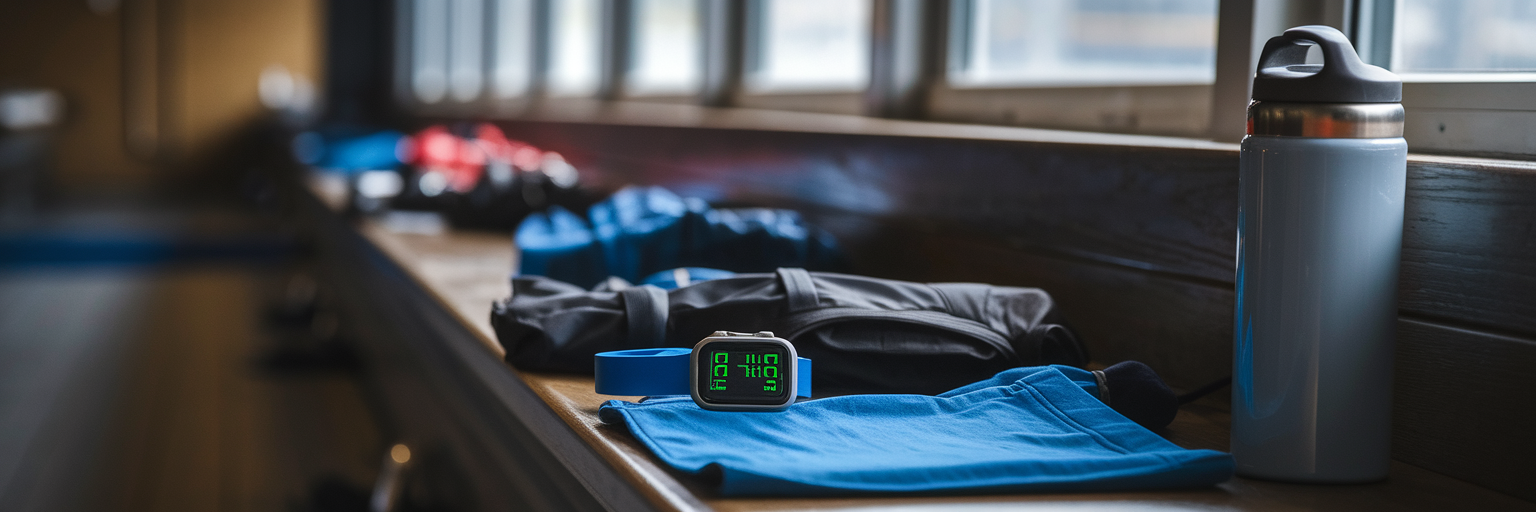
You may have heard of the "anabolic window," that magical 30-minute period after a workout. The modern understanding is a bit more flexible. While it's not a rigid, all-or-nothing window, there is a period of heightened sensitivity where your muscles are primed to absorb nutrients. The goal is to get your recovery shake in within 60 minutes of finishing your workout.
This kickstarts the repair process immediately. Then, follow it up with a complete, balanced meal about 2-3 hours later. For rowers with two-a-day training sessions, this timing becomes even more critical. As noted in nutrition recommendations for rowing, athletes training multiple times a day depend on this precise nutrient timing to sustain performance and avoid burnout across a long season. It’s not just about what you eat, but when you eat it.
Putting It All Together: A Rower's Recovery Checklist
Building a powerful recovery routine doesn't have to be complicated. It’s about consistency and nailing the fundamentals every single day. Here is a simple checklist to guide you after every tough session on the water or the erg.
- Within 60 Minutes Post-Workout: Drink your recovery shake containing 25-30g of plant-based protein and 30-60g of fast-acting carbs.
- 2-3 Hours Post-Workout: Eat a balanced meal with whole-food proteins, complex carbohydrates, and healthy fats to continue the recovery process.
- Daily Habit: If you choose to use it, add 5g of creatine monohydrate to your daily shake to support long-term strength and power.
- Always: Monitor your hydration and replenish fluids and electrolytes lost during training.
Consistency is what turns good habits into great results. By dialing in your recovery with high-quality muscle recovery supplements and smart nutrition, you give your body the tools it needs to come back stronger. Ready to build your perfect recovery routine? Explore our collection of plant-based nutrition solutions.