

If you lead an active life, you know that feeling of satisfaction after a tough workout. But what about the soreness that follows? Many athletes are now looking at their diet, specifically their protein source, as a tool to manage recovery and long-term health. Let's explore why vegan protein is becoming a go-to choice for managing inflammation.
The Truth About Post-Workout Inflammation
That familiar muscle ache after a challenging workout is completely normal. It’s a sign of acute inflammation, a necessary process where your body repairs the tiny tears in your muscle fibers. Think of it like a construction crew arriving on-site to repair and reinforce a structure, making it stronger than before. This short-term inflammation is a sign you’re making progress.
The real issue for active people is chronic, low-grade inflammation. This is more like a persistent, smoldering fire inside your body. It doesn't just cause discomfort; it actively sabotages your fitness goals by slowing down recovery, increasing your risk of injury, and hurting your overall performance. It’s the kind of inflammation that holds you back without you always knowing why.
So, how can you tell if you're dealing with more than just typical post-workout soreness? Here are a few warning signs to watch for:
- Prolonged Muscle Soreness: Aches that last for several days beyond typical Delayed Onset Muscle Soreness (DOMS).
- Persistent Fatigue: Feeling constantly run-down or tired, even with adequate sleep.
- Joint Stiffness and Aches: Nagging joint pain that isn't tied to a specific injury.
- Performance Plateaus: A noticeable stall or decline in your strength, speed, or endurance that you can't seem to break through.
Recognizing these signs is the first step. Managing this underlying inflammation is critical for anyone serious about their fitness and long-term well-being.
The Anti-Inflammatory Power of a Plant-Based Diet
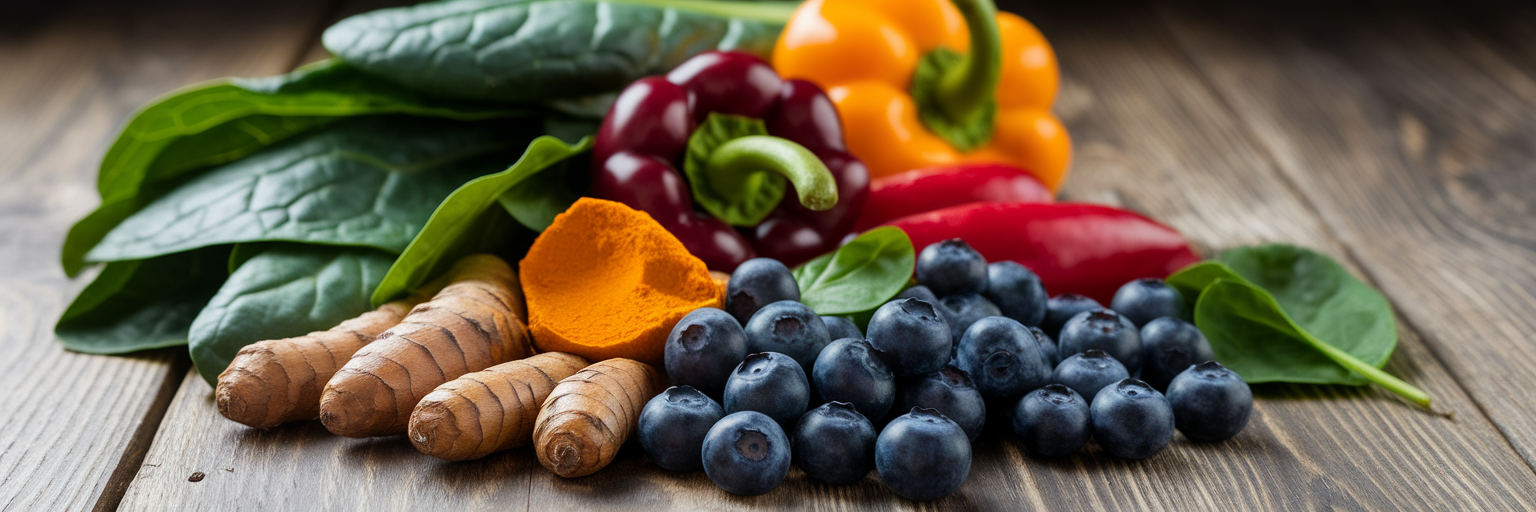
Now that we've identified the problem, let's talk about the solution. A foundational way to combat chronic inflammation is through a plant based anti inflammatory diet. Plant-based foods are naturally loaded with compounds like phytochemicals and antioxidants. These act like a dedicated cleanup crew, neutralizing the damaging free radicals your body generates during intense exercise.
This isn't just a wellness trend; it's backed by science. The Physicians Committee for Responsible Medicine notes that whole-food vegan diets are rich in compounds that neutralize free radicals generated during intense training, which helps to reduce the chronic low-grade inflammation that can hinder athletic progress. These foods essentially help your body put out that smoldering fire.
The evidence is compelling. A randomized trial published in the National Library of Medicine found that a vegan diet led to significantly greater reductions in the inflammatory biomarker C-reactive protein (CRP) compared to the diet recommended by the American Heart Association. Since CRP is a key blood marker for inflammation, this is a powerful indicator for athletes looking to optimize their recovery.
There's also a strong connection to gut health. The high fiber content in plants nourishes a healthy gut microbiome, which is essential for regulating your immune system and tamping down inflammation. A happy gut contributes to a less inflamed body. For more insights into optimizing your health with plant-based nutrition, check out our resources.
How Vegan Protein Directly Aids Athletic Recovery
While a plant-rich diet sets the stage, vegan protein supplements offer a targeted way to support recovery. A 2021 systematic review of human trials concluded that protein supplementation effectively helps to reduce exercise induced inflammation by modulating markers like IL-6 and CRP, as documented at PubMed. In simple terms, this means your body can repair tissue faster, leading to less fatigue after your workouts.
This faster recovery translates directly into performance gains. Furthermore, a 2025 synthesis on plant-based nutrition for athletes reported that vegan protein supplements can accelerate the recovery of maximal oxygen uptake (VO₂max) after intense workouts, a finding detailed at PubMed. Better VO₂max recovery means you can get back to training at your peak level sooner.
The benefits aren't just for your next workout; they contribute to your long-term athletic health. Beyond immediate performance, a 2019 article in Nutrition Reviews highlights that higher plant protein intake is linked to a lower incidence of metabolic syndrome and hypertension. These are conditions that can cause underlying inflammation and potentially shorten an athletic career. Finding the right supplement is key, and understanding what makes for the best protein powders can make all the difference in your recovery journey.
Building Strong Muscle with Plant-Based Protein

One of the most persistent myths in fitness is that you can't build serious muscle with vegan protein. Let's set the record straight. The key to muscle growth isn't the source of the protein, but whether you're getting a complete amino acid profile, especially enough of the amino acid leucine.
Leucine is the primary trigger for muscle protein synthesis, the process of building new muscle. You need about 2.5 grams of it in a serving to kickstart that process effectively. A 2021 review confirmed that plant-protein blends delivering sufficient leucine produce comparable gains in lean mass and strength to animal protein over 8-12 weeks of training, as shown in research available at NCBI. The science is clear: as long as the amino acid profile is right, plant protein works.
This is where modern formulas come in. At Beyond Good Foods, we use strategic blends of plant sources, like pea and rice protein isolate, to create a complete, high-leucine profile that is optimized for absorption and effectiveness. This ensures you get the muscle-building power you need without compromise.
| Factor | Whey Protein Concentrate | Soy Protein Isolate | Pea & Rice Protein Blend |
|---|---|---|---|
| Leucine per 25g Protein | ~2.7g | ~2.0g | ~2.5g |
| Digestion Speed | Fast | Moderate | Moderate |
| Allergen Profile | Contains Dairy (Lactose) | Common Allergen (Soy) | Hypoallergenic |
| Anti-Inflammatory Potential | Neutral to Potentially Pro-Inflammatory | Contains Phytoestrogens (Mixed Evidence) | High (Rich in Plant Compounds) |
Note: Values are approximate and can vary by brand. This table illustrates how a pea and rice blend, like that used by Beyond Good Foods, is formulated to match the muscle-building power of whey while offering superior anti-inflammatory and hypoallergenic benefits.
Making Anti-Inflammatory Vegan Protein Work for You
Understanding the benefits is one thing; putting them into practice is another. To get the most out of vegan protein for muscle recovery, timing is helpful. Aim to have a protein shake within the 30-60 minute window after your workout to give your muscles the immediate resources they need to repair. But don't limit yourself to just shakes. Vegan protein is incredibly versatile and can be used as a meal supplement or a healthy snack anytime.
Tired of the same old shake? Here are a few simple ideas to get you started:
- Boost Your Breakfast: Blend a scoop of chocolate or vanilla vegan protein into your morning oatmeal or pancake batter for a muscle-building start to your day.
- Create a Superfood Smoothie: Combine your protein powder with anti-inflammatory ingredients like spinach, cherries, and a spoonful of flax seeds for a recovery powerhouse.
- Whip Up Protein-Packed Snacks: Mix unflavored protein into yogurt alternatives or use it to make simple, no-bake protein balls for a healthy bite on the go.
If you're looking for more inspiration, you can find some delicious and simple ideas in our guide to 3 Easy Vegan Protein Recipes You'll Actually Crave.
When choosing the best plant protein for athletes, look for a product that checks all the boxes. It should offer at least 25g of protein per serving, a complete amino acid profile with sufficient leucine, and be free from artificial additives. And of course, it should have a smooth texture and taste you actually enjoy. These are the core benefits of vegan protein powder when you choose a high-quality formula.
Ready to feel the difference for yourself? Explore our collection of clean, plant-based proteins and take the first step toward better recovery. And if you found this helpful, share it with a friend who is also passionate about their fitness!