

The Physical Demands of a Modern Yoga Practice
When you think of yoga, what comes to mind? For many, it’s serene images of stretching, deep breathing, and finding a moment of calm. While that’s certainly part of its beauty, it’s only half the story. If you’ve ever held a challenging Warrior III or flowed through a dozen sun salutations in a Power Yoga class, you know the truth: modern yoga is a serious workout.
Styles like Vinyasa, Ashtanga, and Power Yoga demand incredible strength, endurance, and control. Each time you hold a pose like Chaturanga or push into a deep lunge, you’re creating tiny, microscopic tears in your muscle fibers. Now, that might sound a little alarming, but it’s actually a good thing. This process is the natural way your body signals it’s time to rebuild and get stronger.
Think of it as your body’s renovation project. The real progress in your practice doesn’t just happen on the mat; it happens in the hours and days that follow. This is the recovery phase, where the crucial work of muscle repair after yoga takes place. Honoring this recovery process with the right nutrition is just as important as the practice itself, turning your hard work into tangible strength and resilience.
How Protein Fuels Effective Muscle Repair
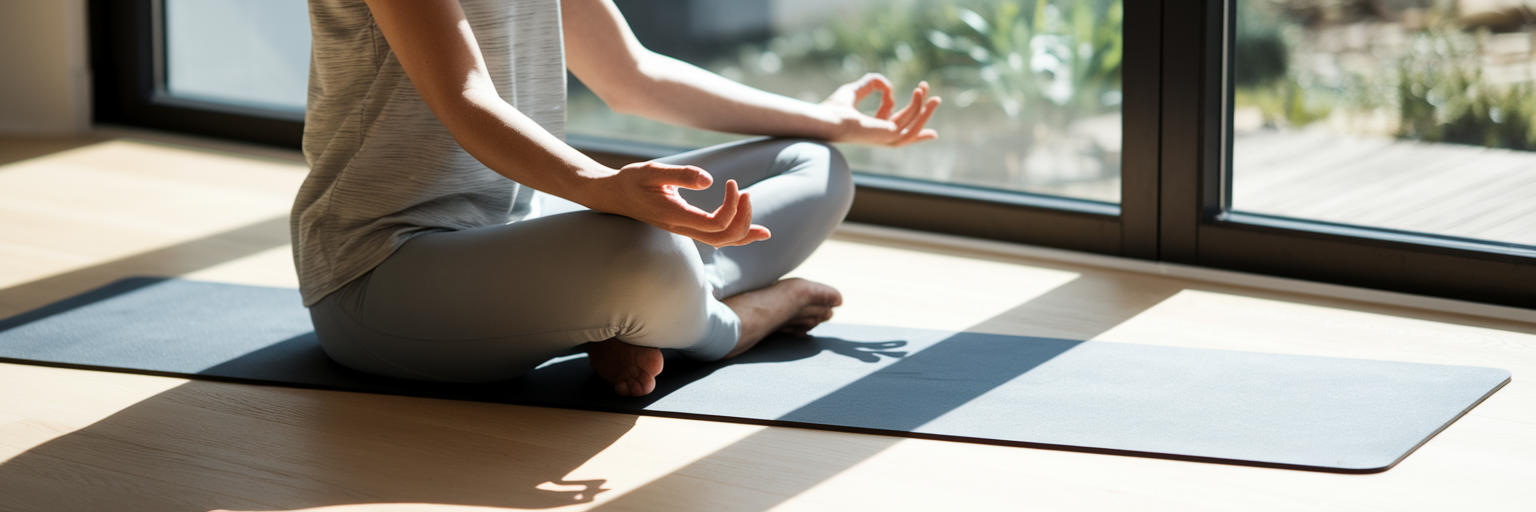
So, if your muscles are breaking down to rebuild stronger, what exactly do they use for the renovation? This is where protein enters the picture, serving as the essential fuel for your body’s recovery engine.
Protein: The Body's Building Blocks
Imagine your muscle tissue is a brick wall. A challenging yoga session can knock a few of those bricks loose. Protein acts as the fresh supply of bricks and mortar your body needs to repair that wall, making it even more solid than before. Without enough protein, your body can’t effectively patch up those micro-tears, which can slow down your progress and leave you feeling sore for longer.
The Role of Amino Acids and BCAAs
To get a bit more specific, proteins are made up of smaller compounds called amino acids. Think of them as the specialized workers on your body’s construction crew. Among these, Essential Amino Acids (EAAs) are the most critical because your body can't produce them on its own; you have to get them from food. A subgroup of these, known as Branched-Chain Amino Acids (BCAAs), are particularly famous for their role in triggering muscle protein synthesis—the scientific term for building and repairing muscle.
The Proven Efficacy of Plant Protein
There’s a persistent myth that plant-based proteins are somehow incomplete or less effective than their animal-based counterparts. We’re here to set the record straight: that’s simply not true. A well-formulated vegan protein powder provides all the essential amino acids your body needs for robust recovery. In fact, research is consistently showing just how powerful plants can be. A study published in PubMed Central found that plant-based protein blends can stimulate muscle growth and repair at levels comparable to whey protein. It’s all about the quality of the blend, like in our smooth chocolate vegan protein, which is designed to give your muscles everything they need to thrive.
The Unique Wellness Benefits of Plant-Based Protein
For many yogis, what you consume is about more than just physical performance. It’s a mindful choice that reflects a deeper connection to overall well-being. This is where plant-based proteins truly shine, offering benefits that extend far beyond the muscles and align perfectly with a holistic lifestyle.
Choosing plant-based nutrition often connects with the yogic principle of Ahimsa, or non-harming. It’s a practice of compassion that extends not only to other living beings and the planet but also to your own body. Opting for a clean protein for yogis is an act of nourishment that feels good from the inside out.
Here are a few unique advantages of going plant-based for your recovery:
- Rich in Anti-Inflammatory Antioxidants: As highlighted by sources like The Yoga Collective, plant sources are packed with phytonutrients and antioxidants. These compounds help your body naturally manage exercise-induced inflammation, which can mean less soreness and a quicker return to your mat.
- Gentle on the Digestive System: We’ve all felt that post-workout bloat. Many people find that vegan proteins are much easier to digest than dairy-based options like whey, which can cause discomfort. A gentle protein source helps maintain that sense of inner calm you cultivated during your practice.
- Clean, Lean Fuel: Plant proteins are naturally free from cholesterol and typically lower in saturated fats. They provide pure, efficient fuel for your body without any of the stuff you don’t need, supporting both your fitness goals and your long-term health.
When you choose clean, thoughtfully sourced ingredients, you’re supporting a system of wellness that benefits you and the world around you. You can explore our full range of clean, plant-powered products to see how simple, whole ingredients can make a big difference.
Timing Your Protein Intake for Optimal Results

You’ve put in the work on the mat, and you know protein is key for recovery. But when is the best time to take it? The answer is simpler than you might think, and a little planning can make a huge difference in your results.
You may have heard of the "anabolic window." It sounds technical, but it’s just the period after a workout when your muscles are most receptive to nutrients. As sources like Veloforte explain, consuming protein and carbs within about 45 minutes to two hours after exercise can significantly enhance recovery. This is the prime time to give your body the resources it needs for effective muscle repair.
A simple ritual can make this effortless: prepare a shake before you head to class so it’s ready the moment you’re done. Think of it as the final, nourishing step of your practice. For even better results, pair your plant based protein after yoga with a source of carbohydrates, like a banana or a handful of berries in your smoothie. Carbs work to replenish your energy stores (glycogen) that you used during your flow, allowing the protein to focus entirely on rebuilding your muscles. It’s a powerful combination for a speedy recovery. Need some inspiration? Check out these delicious and easy protein recipes.
| Recovery Option | Key Nutrients | Primary Benefit | Prep Time |
|---|---|---|---|
| Vegan Protein Shake | ~25g Protein, 10-20g Carbs | Fastest Muscle Repair | 2 Minutes |
| Apple with Almond Butter | ~8g Protein, ~30g Carbs | Balanced Energy Replenishment | 1 Minute |
| Handful of Trail Mix | ~10g Protein, ~25g Carbs | Convenient & Nutrient-Dense | 0 Minutes |
| Oatmeal with Berries & Seeds | ~15g Protein, ~50g Carbs | Sustained Energy & Fiber | 5-10 Minutes |
How Stronger Muscles Support Deeper Flexibility
Have you ever thought that building strength might actually hinder your flexibility? It’s a common myth in the yoga world. The truth is, strength and flexibility aren’t opponents; they are partners. In fact, strong, stable muscles are essential for safely achieving deeper stretches.
When your muscles are strong, they can control your body through a greater range of motion. Think about holding a deep Half Moon Pose. It’s your core and leg strength that provide the stability needed to open your hips and chest without toppling over. Well-nourished muscles prevent you from pushing too far, too fast, which is a common cause of injury. This is why finding the best protein powder for flexibility is really about finding one that helps you build that foundational strength.
This principle extends beyond your muscles. Your connective tissues, like tendons and ligaments, are also made of protein. Proper nutrition helps keep them resilient and healthy. As we've discussed, one of the key supplements for building strength is creatine, but protein is the fundamental building block for all of these tissues. Finally, effective recovery leads to less muscle soreness, or DOMS. When you’re not feeling stiff and achy, you can get back to your mat more consistently, allowing you to make steady, sustainable progress in your flexibility goals.
Choosing and Using Your Vegan Protein Powder
Ready to make plant-based protein a part of your yoga journey? With so many options out there, choosing the right one can feel overwhelming. The key is to look for quality and simplicity. As Houston Methodist notes, plant proteins are highly effective for building muscle when you choose wisely.
Here’s a simple checklist to help you find a high-quality vegan protein for yoga recovery:
- A Complete Protein Blend: Look for a powder that combines multiple plant sources, like pea and rice protein, to ensure you’re getting a complete amino acid profile.
- High Protein Content: Aim for around 25 grams of protein per serving to give your muscles a substantial dose of recovery fuel.
- No Artificial Additives: Your protein powder should be clean. Avoid products with artificial sweeteners, flavors, or unnecessary fillers.
- A Smooth, Non-Chalky Texture: Let’s be honest—if you don’t enjoy drinking it, you won’t stick with it. A good vegan protein should blend smoothly and taste great.
And remember, a protein shake isn’t your only option! Try stirring a scoop into your morning oatmeal, mixing it into pancake batter, or adding it to homemade energy bites for an easy protein boost. View your post-yoga nutrition not as a chore, but as a vital act of self-care that honors your body’s hard work. If you're curious to learn more, feel free to explore our blog for more tips on clean nutrition. What’s your favorite post-yoga recovery meal? Share it in the comments below!