
We’ve all been there. After a long, draining day, the siren call of a salty bag of chips is almost impossible to resist. You might chalk it up to a lack of willpower, but what if it’s actually a biological signal your body is sending? Understanding this connection is the first step to getting back in control.
The Connection Between Stress and Salty Cravings
That intense urge to crunch on something salty isn't just in your head. It’s a deep-seated response rooted in your body's stress management system. When you feel overwhelmed, a complex chain reaction begins, and it often ends in the snack aisle.
First, your body releases cortisol, the primary stress hormone. In short bursts, cortisol is helpful, preparing you for a "fight-or-flight" situation. But the chronic, low-grade stress of modern life—work deadlines, traffic, endless notifications—keeps cortisol levels consistently high. This constant hormonal flood tricks your brain into thinking it needs a quick and easy energy source to handle the perceived threat. As health experts at Northwell Health note, this cortisol surge signals the brain to find rewarding, high-energy foods.
This leads to the second part of the puzzle: your brain's reward system. Salty, fatty, and sugary foods trigger a rapid release of dopamine, a neurotransmitter that makes you feel good. Your brain quickly learns that a handful of pretzels or fries provides a moment of relief from the tension. This creates a powerful feedback loop, driving stress induced food cravings that feel almost automatic.
Finally, these snacks send your blood sugar on a rollercoaster. The initial spike in glucose gives you a fleeting burst of energy, but it’s quickly followed by a crash. This crash leaves you feeling even more tired and irritable, which your body interprets as more stress, triggering the entire cycle all over again. It’s a frustrating loop that can feel impossible to break.
How Vegan Protein Disrupts the Craving Cycle

Now that we understand the cycle, how do we interrupt it? The answer lies in stabilizing your body from the inside out, and high-quality vegan protein is an incredible tool for the job. Instead of fighting cravings with willpower alone, you can give your body what it truly needs to stay balanced.
Protein’s main superpower here is its ability to promote stable energy. Unlike the simple carbs in many salty snacks, protein digests slowly. This provides a steady release of energy into your bloodstream, preventing the dramatic spikes and crashes that fuel more cravings. This is why focusing on vegan protein for blood sugar management is so effective. A balanced system is a calm system.
Plant-based proteins are also packed with amino acids that directly combat hunger signals. Research from the T. Colin Campbell Center for Nutrition Studies highlights how plant-based foods can help manage cravings by stimulating satiety hormones. These hormones send a message to your brain that you are full and satisfied, quieting the frantic search for a quick fix. Integrating a high-quality protein source into your daily meals is easier than you think, and you can find some great inspiration in these 3 easy vegan protein recipes you'll actually crave.
Over time, this consistent approach does more than just manage a single craving. According to registered dietitian Stephanie Schiff, a steady protein intake can help lower your body's baseline cortisol levels. By creating a more stable metabolic state, you become less susceptible to the hormonal triggers that send you running for the snack drawer in the first place.
Choosing a High-Quality Vegan Protein Powder
With so many options available, it’s important to know that not all protein powders are created equal. Some are loaded with fillers, artificial ingredients, or surprisingly high levels of sodium that can actually work against your goals. Choosing a clean, effective protein powder is key to breaking the stress-craving cycle for good.
A high-quality vegan protein should support your body, not add extra stress. Look for a low sodium protein powder with a simple, transparent ingredient list. When you know what to look for, you can confidently explore options that fit your goals. Feel free to take a look at our collection of clean, plant-based proteins to see the difference for yourself.
Here’s a quick guide to help you read the label like a pro:
| Feature | What to Look For (Green Flags) | What to Avoid (Red Flags) |
|---|---|---|
| Protein Source | Complete plant proteins (pea, brown rice, soy isolate) | Vague 'protein blends' without specifics |
| Sweeteners | Natural sources like monk fruit, stevia, or unsweetened | Artificial sweeteners (sucralose, aspartame), high-fructose corn syrup |
| Sodium Content | Under 150mg per serving | Over 250mg per serving |
| Ingredient List | Short, simple, and recognizable ingredients | Long lists with chemical names, fillers (maltodextrin), gums |
| Third-Party Testing | Certified by NSF, Informed-Sport, or similar | No mention of quality testing or certifications |
Note: These are general guidelines. Always check labels to ensure a product aligns with your personal health goals and dietary needs. Sodium and sweetener preferences can vary.
Smart, High-Protein Snacks to Satisfy Salty Urges
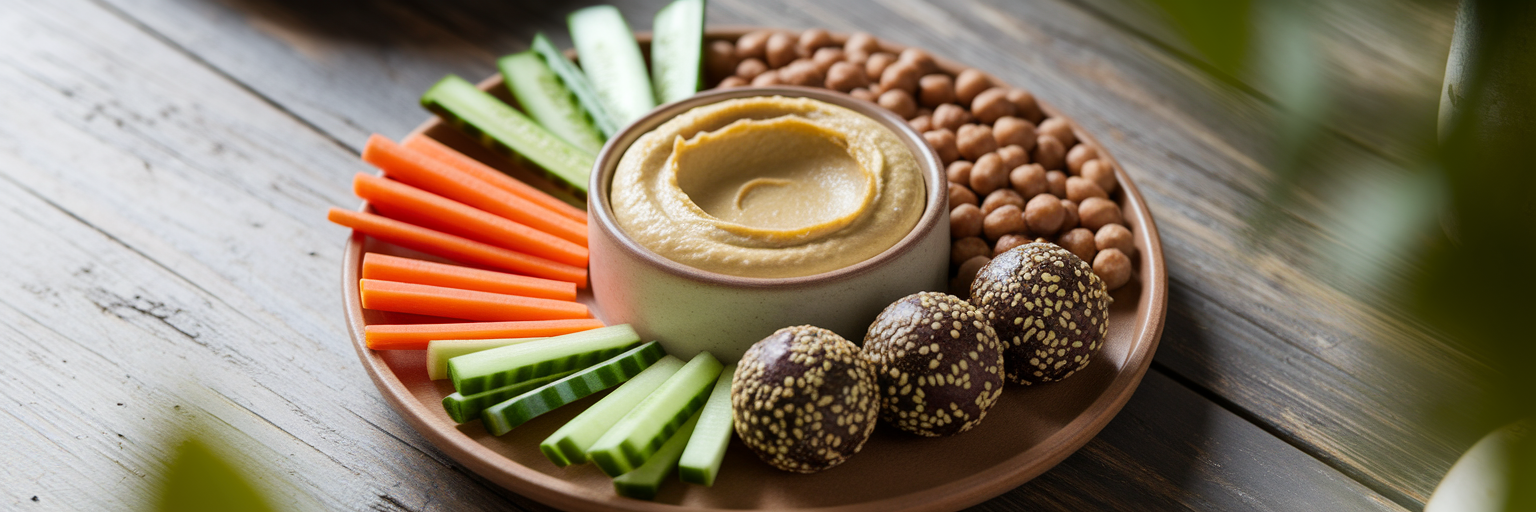
When a salty craving hits, you don't have to ignore it. Instead, you can reframe it as an opportunity to nourish your body with something that satisfies the urge for crunch and flavor while also providing lasting energy. There are plenty of healthy salty snack alternatives that are both delicious and supportive of your goals.
Food experts at publications like Cookunity are highlighting the benefits of high-protein options. Here are a few simple ideas to get you started:
- Roasted Chickpeas: Toss a can of chickpeas with a little olive oil and your favorite spices, then roast until crispy. They deliver a satisfying crunch and a solid dose of plant-based protein and fiber.
- Steamed Edamame: A classic for a reason. A cup of steamed edamame with a light sprinkle of sea salt is packed with protein and helps you feel full and focused.
- A Handful of Almonds or Pumpkin Seeds: Simple, portable, and effective. Both are great sources of protein, healthy fats, and magnesium, which can help calm the nervous system.
Want to know how to stop salty cravings with a little creativity? Try boosting your favorite dips. Add a scoop of unflavored protein powder to hummus, guacamole, or a savory bean dip to increase the protein content without changing the flavor. An unflavored powder is incredibly versatile. For instance, a scoop of our pure creatine monohydrate can be mixed into smoothies or other recipes to support your fitness goals without altering the taste.
You can also create that savory flavor you're craving without adding any sodium. Stock your pantry with seasonings like smoked paprika, garlic powder, onion powder, and nutritional yeast. A sprinkle of nutritional yeast, for example, adds a cheesy, nutty flavor that’s perfect for popcorn or kale chips.
Building a Sustainable Anti-Craving Routine
Managing stress-induced cravings isn't about a single perfect day or one healthy snack. It’s about building small, consistent habits that create a foundation of stability over time. The key is to make protein a regular part of your day, not just an emergency response to a craving.
Think about incorporating protein at every meal: a protein smoothie for breakfast, a lentil salad for lunch, and a tofu stir-fry for dinner. This steady intake keeps your blood sugar stable and your hunger hormones in check, reducing the power cravings have over you.
Of course, nutrition is just one piece of the puzzle. Pair these dietary strategies with other stress-management techniques that work for you. A short walk outside, a few minutes of deep breathing, or a quick mindfulness exercise can help lower cortisol and calm your nervous system before a craving even starts.
Don't feel like you have to change everything at once. Start with one small, manageable step. Maybe it’s trying one of the snack recipes this week or adding a clean vegan protein shake to your morning routine. Building these healthy habits is a journey, and we're here to support you every step of the way. Explore our blog for more tips, recipes, and insights on plant-based wellness.