

There’s something deeply comforting about a warm slice of homemade bread. It’s a staple in most American households, a simple pleasure that feels like home. But what if that daily slice of toast or sandwich bread could do more for your health and fitness goals? By incorporating vegan protein powder, you can transform this everyday food into a nutritional powerhouse.
Why Boost Your Bread with Vegan Protein
Adding a scoop of plant-based protein to your dough is a simple and effective way to support your wellness journey. For fitness enthusiasts, it’s an easy method to increase protein intake for muscle recovery and growth. For anyone looking to manage their weight, a protein-enriched slice can help you feel fuller for longer, reducing the urge for midday snacks. This isn't just a niche trick for gym-goers. It's a smart baking adjustment that aligns with a lifestyle centered on clean, sustainable eating.
This approach has gained so much traction that publications like VegNews have featured recipes for whole-grain high-protein vegan loaves, highlighting their nutritional appeal. By learning how to add protein to bread, you’re not just baking; you’re making your daily meals work harder for you. It’s about turning a simple comfort food into a functional part of your healthy routine.
Selecting the Ideal Protein Powder for Baking
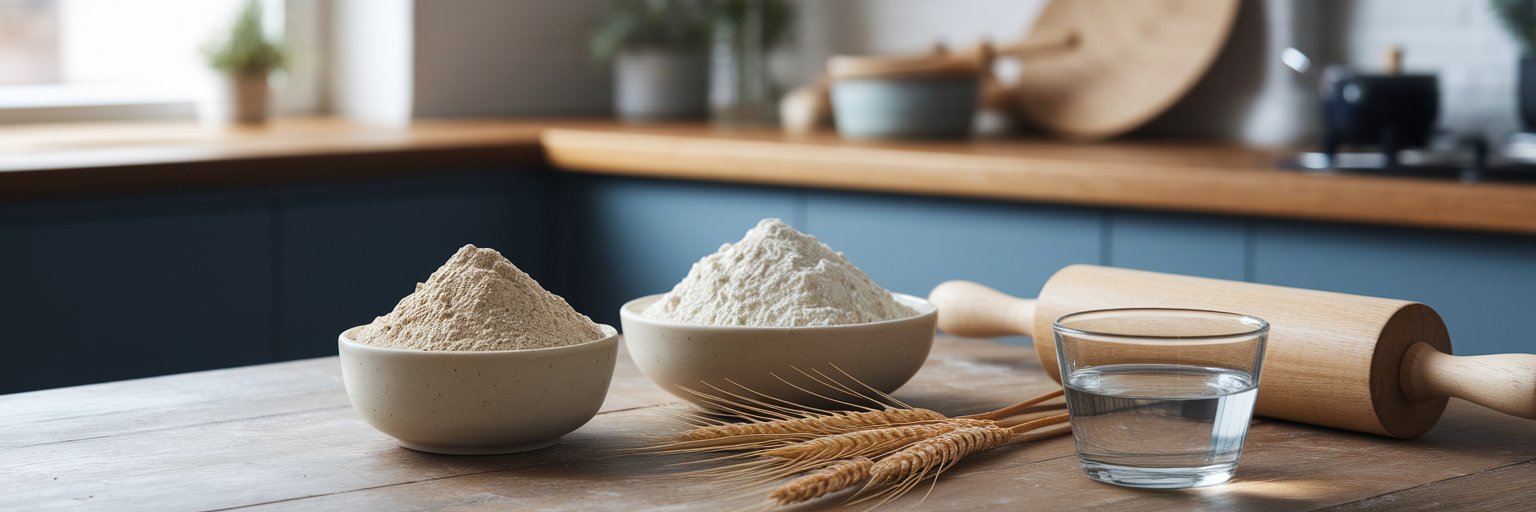
Now that you’re excited about the idea, let's talk about the key ingredient. Not all vegan protein powders behave the same way in the oven. The goal is to find one that enhances your bread without compromising its texture. Baking experiments, like those shared in The Yeast We Can Do, often point to pea protein as a fantastic plant-based option for maintaining bread's delicate crumb structure.
When you're baking with vegan protein powder, the ideal choice has a fine, smooth consistency that mixes seamlessly with flour. This prevents the chalky or gritty texture that can sometimes happen with plant proteins. Finding a powder with a smooth, non-chalky texture is key, so it's worth exploring some of the best protein powders we've reviewed that are designed for excellent mixability.
You also have a choice between flavored and unflavored powders. An unflavored pea protein powder for baking is incredibly versatile, working perfectly in savory loaves for sandwiches or toast. If you’re craving something sweet, a vanilla or chocolate-flavored powder can create a delicious base for a dessert-style bread without needing extra sugar.
| Protein Type | Baking Performance | Flavor Profile | Best For |
|---|---|---|---|
| Pea Protein | Excellent structure and moisture retention | Mild, slightly earthy | Versatile for both savory and sweet breads |
| Rice Protein | Can be slightly gritty if not finely milled | Very neutral | Good for gluten-free blends, works well with other flours |
| Soy Protein | Good binding properties, creates a soft crumb | Neutral to slightly beany | Hearty breads and baked goods where a dense texture is desired |
| Hemp Protein | Dense and heavy, absorbs a lot of liquid | Strong, nutty, and earthy | Dark, rustic loaves like pumpernickel or chocolate-based breads |
This table compares common plant-based proteins based on their typical performance in baking. Results can vary depending on the specific brand and formulation.
The Core Principles of Protein-Enriched Baking
Before you start measuring ingredients, it helps to understand a few core principles. Think of these as the "rules of the game" that will ensure your protein-boosted bread comes out perfectly every time. Getting these fundamentals right is the key to a successful loaf.
The Flour-to-Protein Ratio
The most common mistake is adding too much protein powder, which can result in a dense, heavy loaf. A helpful rule of thumb, shared in Vega’s baking guide, is to substitute no more than 1/4 of your flour with protein powder. This comes out to roughly 4 tablespoons of powder for every cup of flour in your recipe. This ratio provides a significant protein boost without overwhelming the bread's structure.
Keeping Your Loaf Moist
Protein powder is highly absorbent and can dry out your dough. To counteract this, you need to add a source of fat. A tablespoon or two of olive oil, melted coconut oil, or even a creamy nut butter will do the trick. This simple addition ensures your final product has a soft, moist crumb instead of being dry and crumbly. Don’t skip this step; it’s essential for a pleasant texture.
The Role of Vital Wheat Gluten
Here’s a little secret from seasoned bakers: vital wheat gluten. When you replace some of the flour with protein powder, you lose some of the natural gluten that gives bread its signature chewy, elastic texture. Adding a couple of tablespoons of vital wheat gluten puts that structure back in. It acts as a binder, helping your loaf rise beautifully and achieve that satisfying, bakery-quality chewiness.
Step-by-Step High-Protein Vegan Loaf Recipe
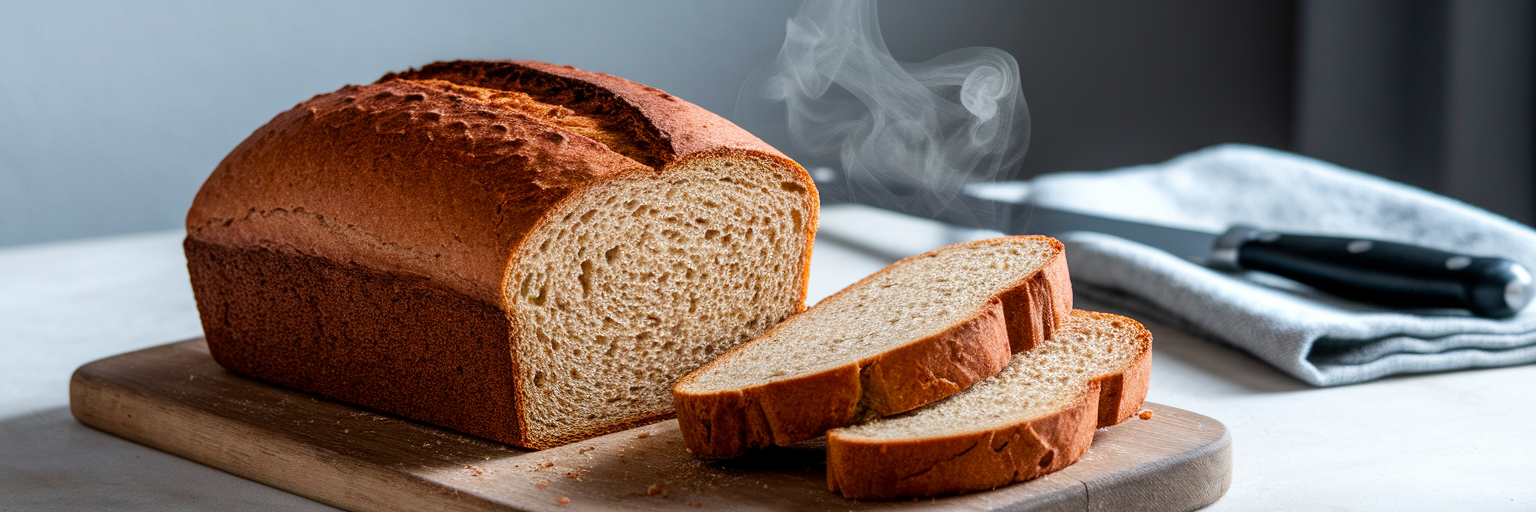
Ready to get your hands doughy? This simple vegan protein bread recipe is the perfect place to start. It’s straightforward and yields a delicious, versatile loaf that’s perfect for sandwiches, toast, or enjoying on its own.
- Activate the Yeast: In a large bowl, combine 1 ½ cups of warm water (around 110°F), 2 ¼ teaspoons of active dry yeast, and 1 tablespoon of maple syrup or sugar. Let it sit for 5-10 minutes until it becomes foamy.
- Mix the Dry Ingredients: In a separate bowl, whisk together 3 cups of all-purpose or bread flour, ½ cup of unflavored pea protein powder, 2 tablespoons of vital wheat gluten, and 1 teaspoon of salt.
- Combine and Form Dough: Add 2 tablespoons of olive oil to the yeast mixture. Gradually add the dry ingredients to the wet ingredients, mixing until a shaggy dough forms.
- Knead the Dough: Turn the dough out onto a lightly floured surface. Knead for about 10-15 minutes, until the dough is smooth and elastic. It should spring back when you press it gently.
- First Rise: Place the dough in a lightly oiled bowl, cover it, and let it rise in a warm place for about 1-2 hours, or until it has doubled in size.
- Shape and Second Rise: Gently punch down the dough and shape it into a loaf. Place it in a greased 9x5 inch loaf pan. Cover and let it rise again for another 30-60 minutes, until it has risen about an inch above the pan.
- Bake to Perfection: Preheat your oven to 350°F. Bake the loaf for 45-60 minutes, or until it’s golden brown and sounds hollow when you tap the bottom.
- Cool Completely: This is crucial! Let the bread cool completely on a wire rack before slicing. This allows the crumb to set properly.
Once you've mastered this loaf, you might be looking for more creative ways to use your protein powder. We have a few other easy vegan protein recipes you'll actually crave.
Troubleshooting Common Baking Challenges
Even experienced bakers run into issues sometimes, so don’t worry if your first loaf isn’t perfect. Here are a few common challenges and how to fix them, so you can approach your next high protein bread recipe with confidence.
- My bread is dense and heavy. This is the most frequent issue and it almost always means too much protein powder was used. Stick to the rule of replacing no more than 1/4 of the flour.
- My loaf has a slight green tint. Don't panic! This is a harmless and natural reaction that can occur with some plant proteins, especially pea protein. It doesn't affect the flavor. You can easily mask it by making a darker loaf with cocoa powder or whole wheat flour.
- My loaf didn't rise enough. If your yeast was active, the culprit might be the density of the protein. For your next attempt, try adding a ½ teaspoon of baking powder along with your dry ingredients for a little extra lift.
- My bread is dry and crumbly. This points to a lack of moisture. Remember, protein powder absorbs a lot of liquid. Be sure you’ve included a fat source like oil or nut butter to keep the crumb soft and tender.
If you have more questions about using our products, you might find the answer on our FAQs page.
Customizing Your Loaf with Flavors and Textures
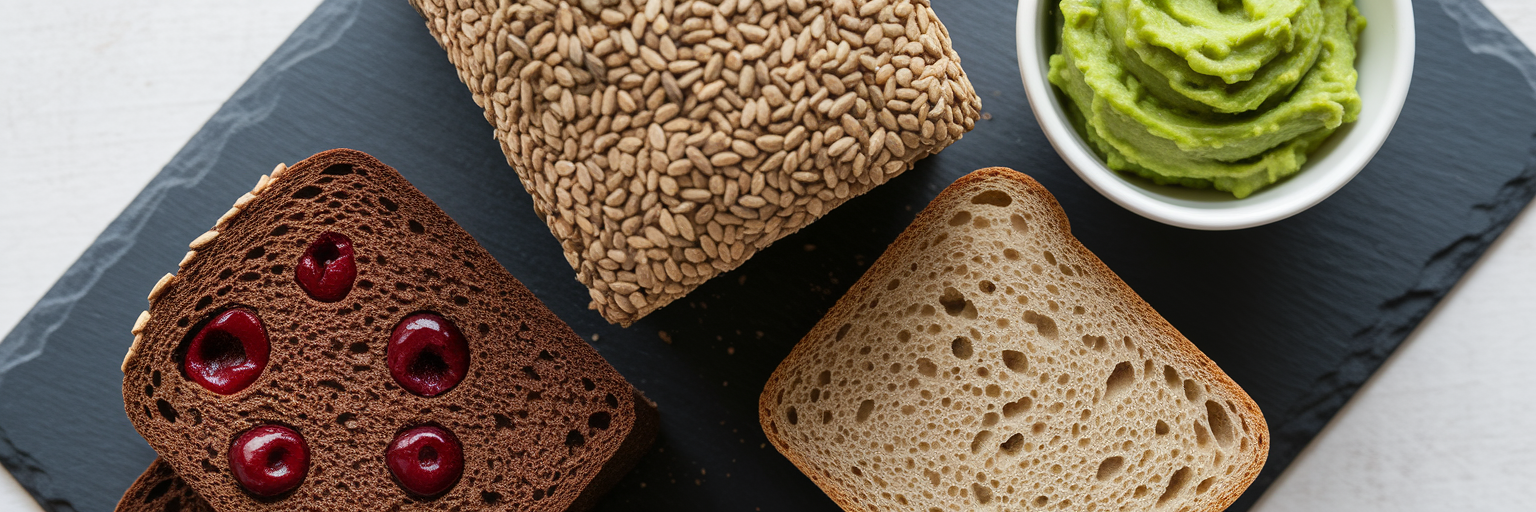
Once you’ve nailed the basic recipe, the real fun begins. This loaf is a blank canvas for your creativity. For an effortless sweet bread, simply use a flavored protein powder. For a rich, decadent treat, try making a Chocolate Cherry Bomb loaf using a high-quality chocolate vegan protein and some dried cherries.
If you’re using an unflavored powder, you can add your own twist. For a sweet version, mix in cinnamon and raisins or a dash of vanilla extract. For a savory loaf, try adding dried rosemary, garlic powder, and sun-dried tomatoes. You can also enhance the texture and nutritional profile. As dietitian Abby Chan, MS, RDN, notes in VegNews, adding seeds like pumpkin or sunflower is a fantastic way to boost texture, healthy fats, and even more plant-based protein. Walnuts and almonds are also excellent additions. Let your imagination guide you!
Enjoying Your Homemade High-Protein Bread
Congratulations, you’ve baked a loaf of bread that not only tastes delicious but also supports your health goals. Now, how should you enjoy it? The possibilities are endless. A thick slice makes the perfect base for creamy avocado toast topped with everything bagel seasoning. Use it to build a hearty veggie sandwich packed with hummus and fresh greens.
For a quick and satisfying post-workout snack, simply toast a slice and spread it with your favorite nut butter. You’ve learned that making a high protein bread recipe is a simple, rewarding, and delicious skill. You’ve turned a kitchen staple into a functional food that fuels your body and tastes amazing.
Ready to start your baking journey? Explore our full range of clean, plant-based nutrition products at Beyond Good Foods and find the perfect ingredient for your next creation.