
The Unique Physical Demands of Paddleboarding
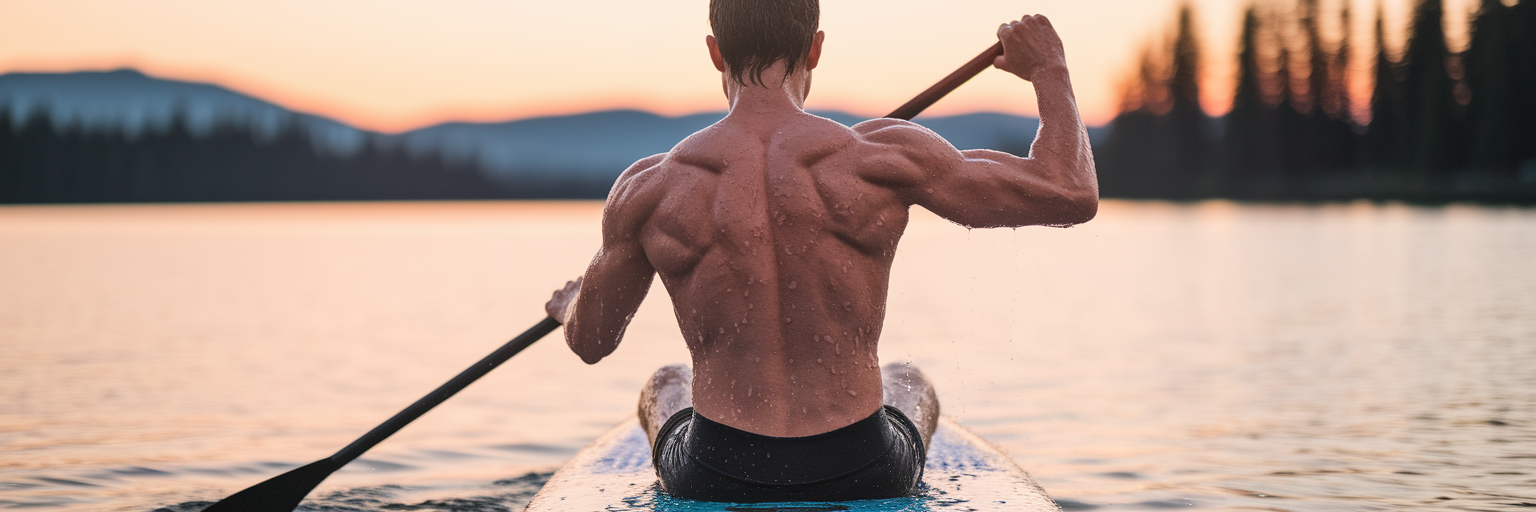
There’s a beautiful deception to paddleboarding. From the shore, it looks like pure tranquility: just you, a board, and the gentle glide across the water. But once you’re out there, you feel the truth in your muscles. Every paddle stroke, every tiny adjustment to stay balanced, is a quiet demand on your body. It’s a fantastic full-body workout that engages your core, back, shoulders, and legs in a constant state of stabilization.
This isn't just a feeling; it's a measurable effort. According to Glide SUP, a 160-pound rider can burn between 305 and 430 calories per hour. Think of your body like a high-performance engine. That hour on the water depletes your primary fuel source, known as glycogen, and creates tiny micro-tears in your muscle fibers. This is a normal and necessary part of getting stronger, but it’s also why you feel that satisfying ache the next day.
When you step off your board, the work isn't over. Your body immediately begins the repair process. If you ignore this crucial recovery phase, you’re likely to face lingering soreness, reduced performance on your next paddle, and even a higher risk of injury. This is where smart recovery starts, and it all comes down to a few key paddleboarding nutrition tips that can make a world of difference.
Why Plant Protein Is Your Best Friend for Muscle Repair
So, your muscles are tired and need repair. What’s the next step? The answer lies in protein. It provides the essential building blocks your body needs to patch up those micro-tears and come back stronger. This process, known as muscle protein synthesis, is your body’s natural repair crew getting to work.
The Science of Muscle Repair Made Simple
Think of your muscles as a brick wall that gets slightly damaged during a workout. Protein provides the new bricks, but a special group of amino acids called branched-chain amino acids (BCAAs) act as the foreman, signaling the construction crew to start rebuilding. Leucine, isoleucine, and valine are the three BCAAs that kickstart this entire process, making them vital for effective plant based muscle recovery.
Busting the Myth: Plant vs. Animal Protein
We’ve all heard the question: can plants really provide enough protein to build muscle? The answer is a resounding yes. A Hartford HealthCare dietitian confirms that a varied plant-based diet provides all the essential amino acids your body needs. In fact, a 2014 study highlighted in PubMed found that athletes using a vegan protein blend experienced about 20% less muscle soreness compared to those who didn't. This suggests that not only is plant protein effective, but it may also help you feel better faster. For a deeper look at how different proteins stack up, you can explore some of the insights we shared on the best protein powders available.
| Plant Protein Source | Key Recovery Benefit | Why It's Great for Paddlers |
|---|---|---|
| Pea Protein | Rich in Leucine & Arginine | Triggers muscle repair and improves blood flow. |
| Hemp Protein | Complete Amino Acid Profile | Provides all essential building blocks for muscle. |
| Pumpkin Seed Protein | High in Magnesium & Zinc | Aids in muscle function and reduces fatigue. |
| Soy Protein | Fast-Digesting & High in BCAAs | Quickly delivers amino acids to tired muscles. |
This table highlights how different plant proteins offer unique benefits for recovery. A blend of these sources often provides the most comprehensive support for paddleboarders.
Choosing a High-Quality Vegan Protein Powder
With so many options out there, how do you find the best vegan protein powder US brands have to offer? It’s all about knowing what to look for on the label. First, check for a complete amino acid profile. Many of the best formulas achieve this by blending different plant sources, like pea and rice protein, to ensure you get all the building blocks your muscles need for repair.
Let’s also address the old stereotype about plant protein being gritty or chalky. That’s a thing of the past. As industry evaluations from VegOut Magazine have found, modern vegan formulas have come a long way, offering smooth textures and delicious flavors that mix easily. You no longer have to sacrifice enjoyment for clean nutrition.
Another thing to look for is the inclusion of digestive enzymes. These can help your body absorb the nutrients more efficiently and prevent the bloating that some people experience with protein supplements. At Beyond Good Foods, we are committed to creating clean, effective formulas that feel as good as they taste. That’s why we focus on a smooth texture and high-quality ingredients in products like our delicious chocolate vegan protein, so you can refuel without compromise.
Perfect Timing and Easy Post-Paddle Snack Ideas
You’ve finished your paddle, and your muscles are ready for repair. The key is to act quickly. There’s a period of about 30 minutes after a workout, sometimes called the "anabolic window," when your body is primed to absorb nutrients. Your goal is simple: replenish your energy with carbohydrates and provide your muscles with protein to start the rebuilding process.
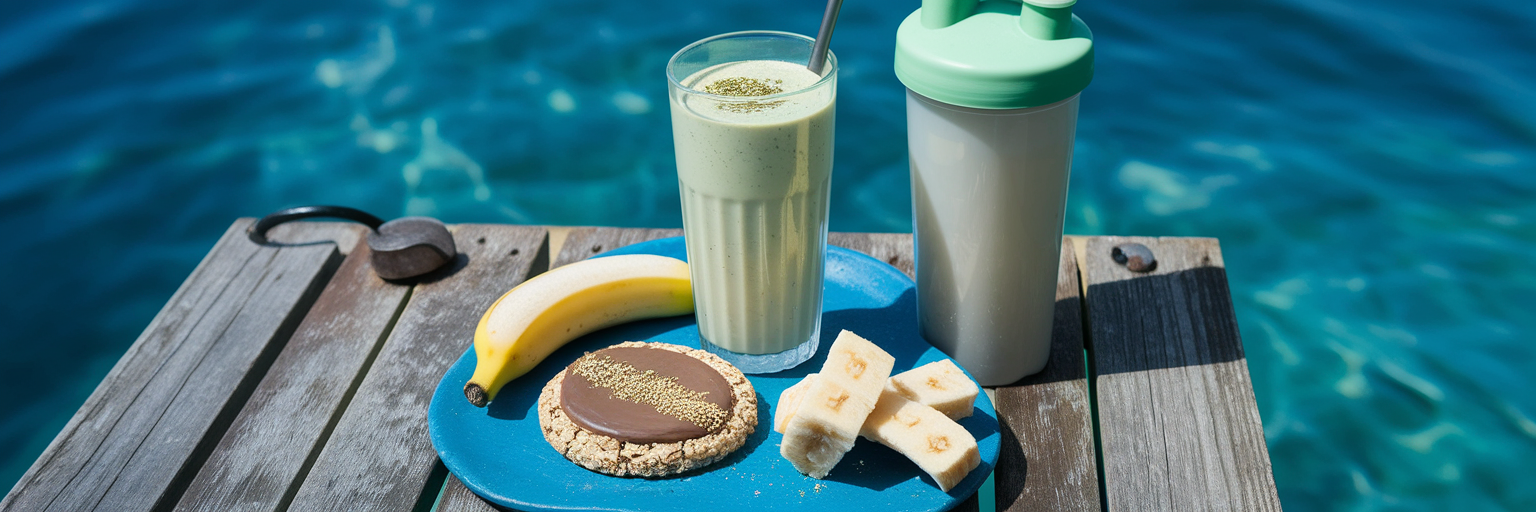
One of the easiest ways to do this is with a post paddleboard recovery drink. It’s fast, convenient, and gets nutrients into your system right away. Here’s a simple recipe to get you started.
Quick Post-Paddle Recovery Smoothie:
- 1 scoop of Beyond Good Foods Chocolate Vegan Protein
- 1 frozen banana (for carbs and potassium)
- 1 cup of unsweetened oat or almond milk
- 1 tablespoon of almond butter (for healthy fats)
- A handful of ice cubes
Just blend everything until smooth and enjoy! For more inspiration, check out these 3 easy vegan protein recipes you’ll actually crave.
But what if you don’t have a blender handy? No problem. When considering what to eat after paddleboarding, think simple. A rice cake topped with pumpkin seed butter and a sprinkle of protein powder works great. Or, mix a scoop of protein powder into a serving of dairy-free yogurt. The formula is always the same: aim for 20-30 grams of protein paired with a source of healthy carbohydrates to refuel and repair.
Embrace Plant-Powered Recovery for Better Paddling
Making plant protein a part of your recovery routine is about more than just mixing a shake. It’s a simple shift that helps reduce soreness, speeds up muscle repair, and gets you back on the water feeling stronger and more prepared for your next adventure. It’s a choice that supports your performance and your well-being.
For many in the paddleboarding community, a love for the outdoors goes hand-in-hand with a commitment to health and sustainability. Choosing plant-based nutrition feels like a natural extension of that lifestyle. It’s a way to fuel your body with clean, effective ingredients while making a choice that’s kinder to the planet.
So next time you come in from a paddle, try one of these snack ideas and feel the difference for yourself. We’d love to hear your favorite recovery tips in the comments below! When you’re ready, we invite you to explore our full range of plant-based nutrition products designed to help you reach your goals.