

Fueling Your Ascent Beyond the Crux
We all know that feeling. The satisfying ache that settles deep into your forearms after a tough session at the gym or the crag. Your fingers feel tight, your shoulders are tired, but you sent that route you’ve been projecting for weeks. It’s a feeling of pure accomplishment mixed with total exhaustion. But what happens next is just as important as the climb itself.
Recovery isn't just about kicking your feet up and waiting for the soreness to fade. It’s an active process of rebuilding. Think of it this way: every move you make on the wall creates tiny micro-tears in your muscles. Smart nutrition is the tool that repairs those tears, turning that post-climb fatigue into real strength gains for your next session. This is where a clean, powerful vegan protein for climbers comes in. It’s an incredibly efficient way to give your body exactly what it needs to repair not just your muscles, but also the tendons and connective tissues that are so vital for grip strength and injury prevention.
The Unique Recovery Demands of Rock Climbing

Climbing isn't like most other sports, and neither are its recovery needs. It places an intense and unique load on the body, especially through eccentric contractions where muscles lengthen under tension. Think about lowering yourself from a hold or catching a dyno. This puts incredible stress on your forearm flexors, finger pulleys, and that intricate network of tendons that allows you to hang on by your fingertips. We're not just talking about big muscle groups; we're talking about small, crucial, and often slow-to-heal tissues.
This constant, intense work leads to high protein turnover, meaning your body is breaking down and rebuilding proteins at an accelerated rate. To keep up, you need to supply it with the right building blocks. In fact, sources like Training For Climbing note that sports science bodies recommend climbers consume between 1.2–2.0 grams of protein per kilogram of body weight daily. This is where effective rock climbing recovery nutrition becomes essential.
The challenge is twofold: you need to rebuild muscle fibers for power and endurance, but you also have to support collagen synthesis to keep your tendons and ligaments healthy and resilient. Many climbers unintentionally under-fuel, leading to performance plateaus, nagging injuries, and that persistent soreness that never seems to go away. Choosing from the best protein powders ensures you're getting the right building blocks for this demanding process.
How Vegan Protein Fuels Comprehensive Repair
So, how does a plant-based protein help you bounce back stronger? It comes down to a combination of complete nutrition and some unique plant-powered benefits.
The Power of a Complete Amino Acid Profile
You’ve probably heard the term "complete protein." It simply means a protein source that contains all nine essential amino acids (EAAs) your body can't produce on its own. These are the fundamental building blocks for muscle repair. In the past, there was a misconception that plant proteins were "incomplete." However, modern vegan protein blends, which often combine sources like pea and rice protein, are specifically formulated to provide a full EAA profile. Expert sources like Nutrition for Climbers confirm that these blends provide high concentrations of leucine, the key amino acid that acts as the "go" signal for muscle protein synthesis.
Beyond Muscle: Fighting Inflammation Naturally
Here’s where a plant based diet for athletes offers a distinct advantage. Plant proteins are packed with phytochemicals and antioxidants that you won't find in animal-based sources. These compounds help your body manage the post-exercise inflammation that contributes to delayed onset muscle soreness (DOMS). So, when you're looking for how to reduce muscle soreness climbing, a clean vegan protein can be a powerful ally. It doesn't just rebuild; it helps calm the system down. Furthermore, major health organizations like the Physicians Committee for Responsible Medicine confirm that a well-structured vegan diet can more than meet the protein needs of even elite strength athletes. It’s not a compromise; it’s a smarter way to fuel.
Timing Your Nutrition for Maximum Recovery
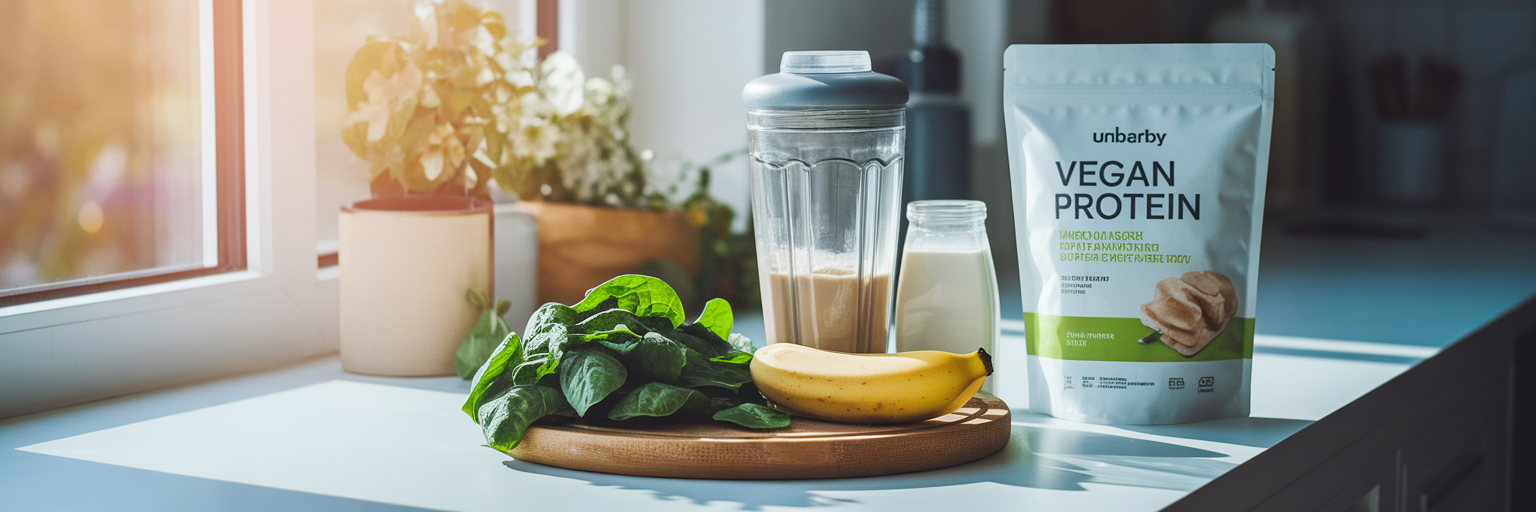
What you eat is important, but when you eat it can make a huge difference. After a tough climbing session, your body is primed to absorb nutrients and kickstart the repair process. This period, often called the "anabolic window," is your golden opportunity to refuel. It’s typically within the first 30 to 60 minutes after you finish your workout.
Here’s a simple, actionable tip: keep a shaker bottle with a scoop of protein powder in your climbing bag. As soon as you’re done with your last route, just add water, shake, and drink. It’s the easiest and fastest way to get high-quality protein into your system when it needs it most.
But recovery doesn't stop there. Think of that immediate shake as the first responder. A couple of hours later, you should aim for a complete post climb recovery meal that includes protein, complex carbohydrates, and healthy fats. The carbs are crucial because they replenish your muscle glycogen, which is the primary energy source you just depleted. By restocking your energy stores, you allow the protein to focus on its main job: repairing and rebuilding muscle tissue. For even more support, a slow-digesting protein snack before bed can fuel repairs overnight. If you're looking for more creative ways to refuel, there are plenty of easy vegan protein recipes you'll actually crave that go beyond a simple shake.
Choosing the Right Vegan Protein Powder
Not all vegan protein powders are created equal. To make sure you’re getting a product that will actually help your performance, you need to become a savvy label-reader. First, look for a multi-source blend, like pea and rice protein. This combination ensures you’re getting a complete amino acid profile to cover all your recovery bases.
Next, check the ingredient list for what’s not there. You want a clean formula without artificial sweeteners, fillers, gums, or other unnecessary additives. These can sometimes cause digestive upset or contribute to inflammation, which is the opposite of what you want during recovery. Finally, let’s talk about taste and texture. The days of chalky, gritty plant protein are over. Modern formulas are designed to be smooth, delicious, and easy to mix, making your recovery shake something you actually look forward to.
Here’s a quick guide to help you choose wisely:
| Feature | What to Look For | Why It Matters for Climbers |
|---|---|---|
| Protein Source | A multi-source blend (e.g., pea, rice, hemp) | Ensures a complete amino acid profile for effective muscle repair. |
| Protein per Serving | 20-25g | Hits the target amount needed to trigger muscle protein synthesis post-exercise. |
| Amino Acid Profile | Label states 'Complete Protein' or lists all 9 EAAs | Guarantees you're getting all the essential building blocks, especially leucine. |
| Sweeteners | Natural sources like stevia, monk fruit, or unsweetened | Avoids artificial additives and inflammatory refined sugars. |
| Added Ingredients | No artificial flavors, colors, or fillers | Keeps the formula clean and focused on pure, effective recovery. |
With this checklist, you can confidently pick a protein that supports your goals. You can explore a collection of clean, plant-based supplements that are designed with these principles in mind.
Simple and Delicious Post-Climb Meal Ideas
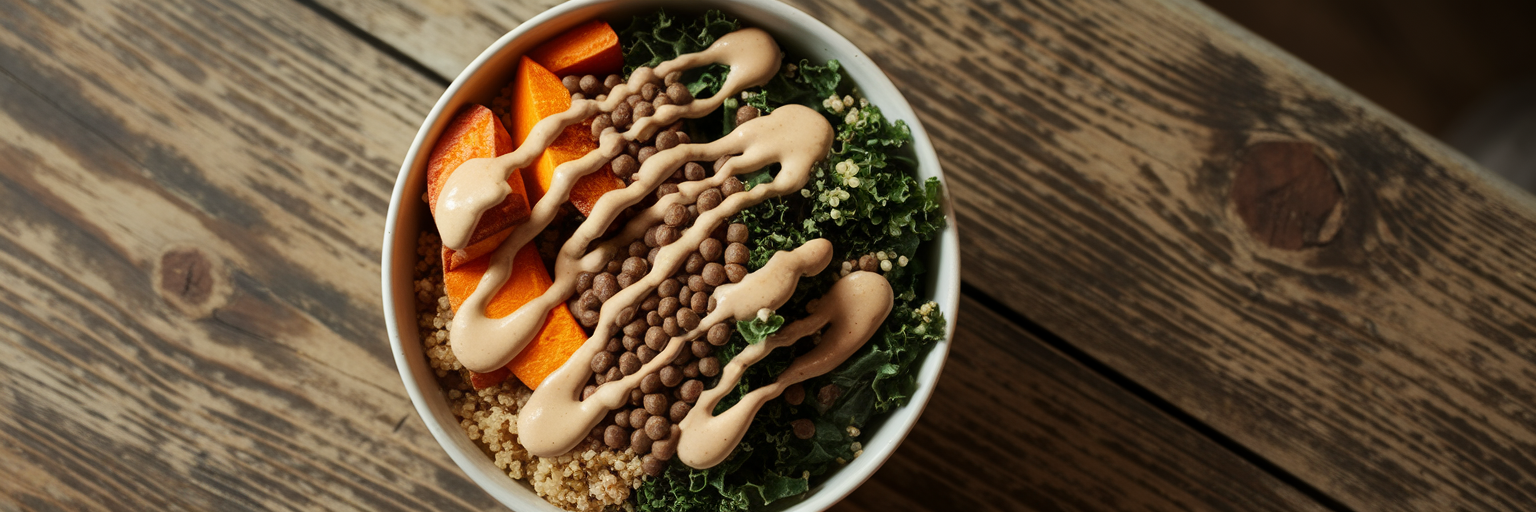
Integrating protein into your diet should be easy and enjoyable. Here are a few simple ideas to get you started, perfect for refueling after a hard session.
- The Instant Recovery Shake: This is your go-to for immediate post-climb fuel. Blend one scoop of a quality chocolate vegan protein, one frozen banana, a handful of spinach, and a cup of oat milk. This shake delivers over 25g of protein to kickstart repair and carbohydrates to restore your energy.
- The Climber's Power Bowl: For a more substantial meal a few hours later, build a power bowl. Start with a base of quinoa, then add lentils or chickpeas, roasted sweet potatoes, avocado, and your favorite greens. For an extra protein boost, you can even mix a scoop of unflavored protein powder into your dressing.
- Overnight Recovery Oats: Prepare this the night before for a perfect post-climb meal or next-day breakfast. In a jar, combine ½ cup of rolled oats, 1 tablespoon of chia seeds, 1 scoop of vanilla protein powder, and 1 cup of almond milk. Shake well and refrigerate overnight. Top with berries and nuts before eating.
Climb Higher by Recovering Smarter
At the end of the day, your progress on the wall is built during your time off it. Climbing places unique demands on your body, from your major muscle groups down to the smallest tendons in your fingers. High-quality, clean vegan protein is an incredibly effective tool for meeting those demands, helping you rebuild stronger and manage inflammation naturally.
By timing your nutrition correctly and choosing the right fuel, you can turn recovery from a passive waiting game into an active part of your training. It’s just as important as your technique drills or hangboard sessions. So, what are your favorite recovery meals? Share your tips in the comments below!
Ready to fuel your recovery and reach that next grade? Explore how clean, plant-based nutrition can make a difference at Beyond Good Foods.